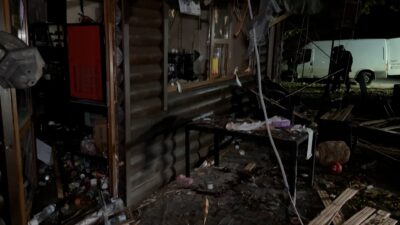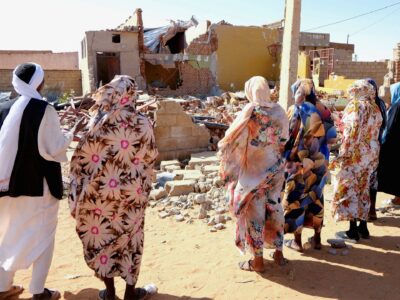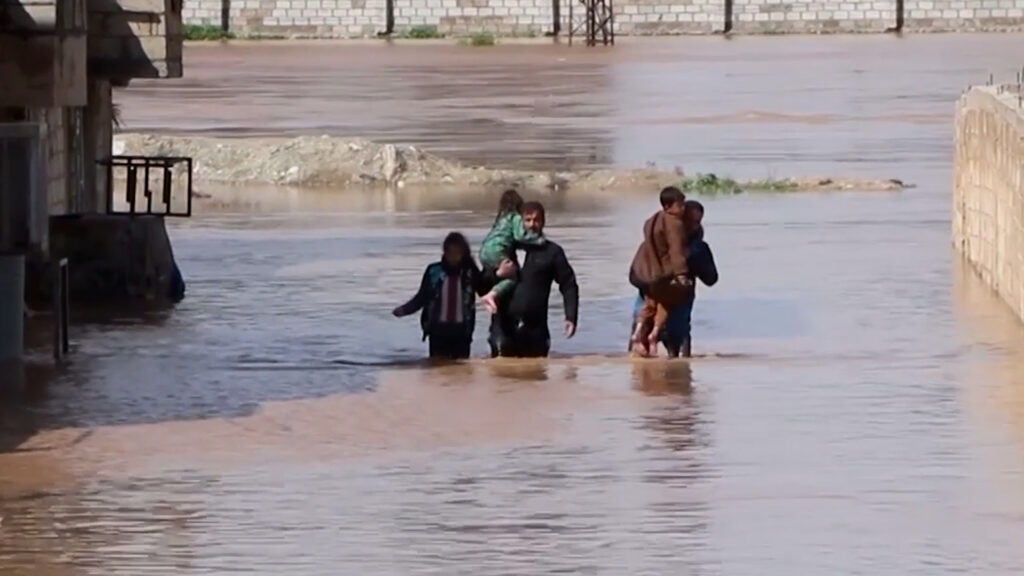
Recent severe storms have wreaked havoc across several countries in the Middle East, causing widespread flooding and significant damage. In Oman, intense flooding led to vehicles being washed away, creating dangerous conditions and disrupting transportation. The heavy rains overwhelmed drainage systems, leading to chaotic scenes where cars were swept off roads and stranded in floodwaters.
Simultaneously, in Syria, the storm’s heavy downpour flooded numerous homes, forcing residents out of their houses and into emergency shelters. The floods have severely impacted daily life, damaging property and threatening the safety and well-being of many families.
Meteorologists report that this weather pattern is part of a larger system bringing unprecedented rainfall to the region, catching many areas unprepared for such events. Authorities in affected countries have issued warnings and are working to manage the emergency response, including evacuations and relief efforts.
In Oman, officials have urged residents to avoid driving through flooded roads to prevent accidents and loss of life. Emergency teams were deployed to assist stranded motorists and manage the rapidly rising waters. Infrastructure damage has been reported, highlighting the urgent need for improved flood defenses and emergency planning.
In Syria, the floods have exacerbated the ongoing humanitarian difficulties, as many displaced individuals now face additional challenges due to the storm’s destruction. Relief organizations are coordinating with local authorities to provide assistance and temporary housing for affected families.
Experts warn that climate change may be increasing the frequency and severity of such storms in the Middle East, emphasizing the importance of regional cooperation on disaster preparedness and climate resilience.
Communities across the affected regions are rallying together to support one another, demonstrating remarkable resilience in the face of natural disaster. However, the road to recovery will be long, with significant efforts needed to rebuild homes, infrastructure, and restore normalcy.
This event serves as a stark reminder of the vulnerability of areas prone to sudden floods and the critical need for enhanced forecasting, emergency preparedness, and climate adaptation strategies.
Authorities continue to monitor weather conditions closely, and residents are advised to stay informed through official channels as recovery and rescue operations are ongoing.