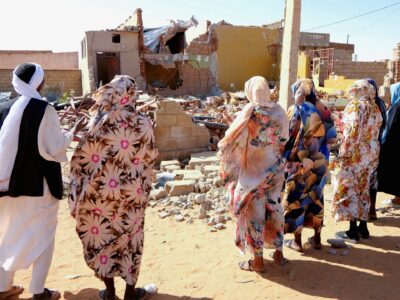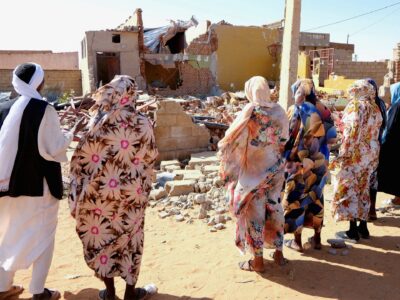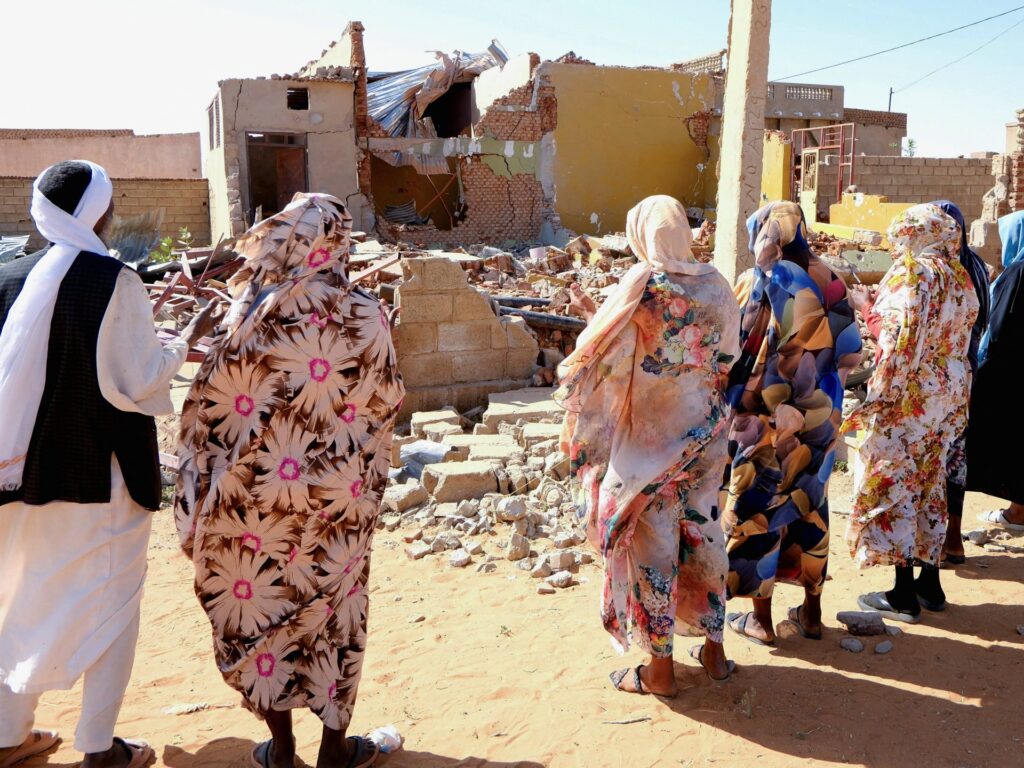
Sudan is witnessing a tragic escalation in violence as drone attacks intensify, resulting in the reported deaths of approximately 160 people. The surge in the use of unmanned aerial vehicles (UAVs) for military strikes has generated significant concern among rights organizations who emphasize the detrimental impact on civilians and critical infrastructure.
The drone assaults are part of the ongoing conflict that has destabilized the nation, leading to a severe humanitarian crisis. Civilians, caught in the crossfire, are increasingly vulnerable to indiscriminate attacks that not only claim lives but also damage essential services and infrastructure.
Rights groups are sounding the alarm, highlighting that these drone strikes often target populated areas, raising the toll of civilian casualties. This trend underscores a disturbing shift toward advanced warfare technologies that complicate efforts to protect non-combatants in conflict zones.
The utilization of drones in Sudan’s conflict represents a challenge to regional stability and international norms regarding warfare. The attacks have devastated residential communities, hospitals, schools, and other vital installations, leaving many without basic necessities.
International human rights organizations have called for immediate investigation into these drone operations to hold accountable those responsible for potential violations of international humanitarian law. They stress the need for concerted diplomatic efforts to cease the hostilities and implement measures for civilian protection.
The situation in Sudan reflects a broader global concern about the proliferation of drone warfare and its implications for conflict dynamics. The increasing availability and use of unmanned aircraft in armed conflict zones raise questions about the ethical and legal frameworks surrounding their deployment.
As the crisis unfolds, humanitarian agencies are struggling to provide assistance to affected populations amid the dangerous and volatile environment created by these attacks. The destruction of infrastructure hampers access to medical care, clean water, and food supplies, exacerbating the suffering of the civilian population.
Efforts to document the impact of drone strikes are critical to understanding the full scope of the crisis and informing international responses. Monitoring groups aim to gather data to support legal actions and advocate for stronger protections under international law.
The escalation in drone attacks in Sudan is a stark reminder of the evolving nature of modern warfare and its profound consequences for human security. The international community is urged to prioritize conflict resolution and humanitarian aid to alleviate the devastating toll on Sudanese civilians.