The geopolitical landscape in the Middle East is once again marked by heightened tensions as the Iranian military has officially dismissed former US President Donald Trump’s claims suggesting ongoing negotiations with Iran. This dismissal comes amid continued US-Israeli military actions targeting Iranian positions, underscoring the fragility and complexity of the current situation.
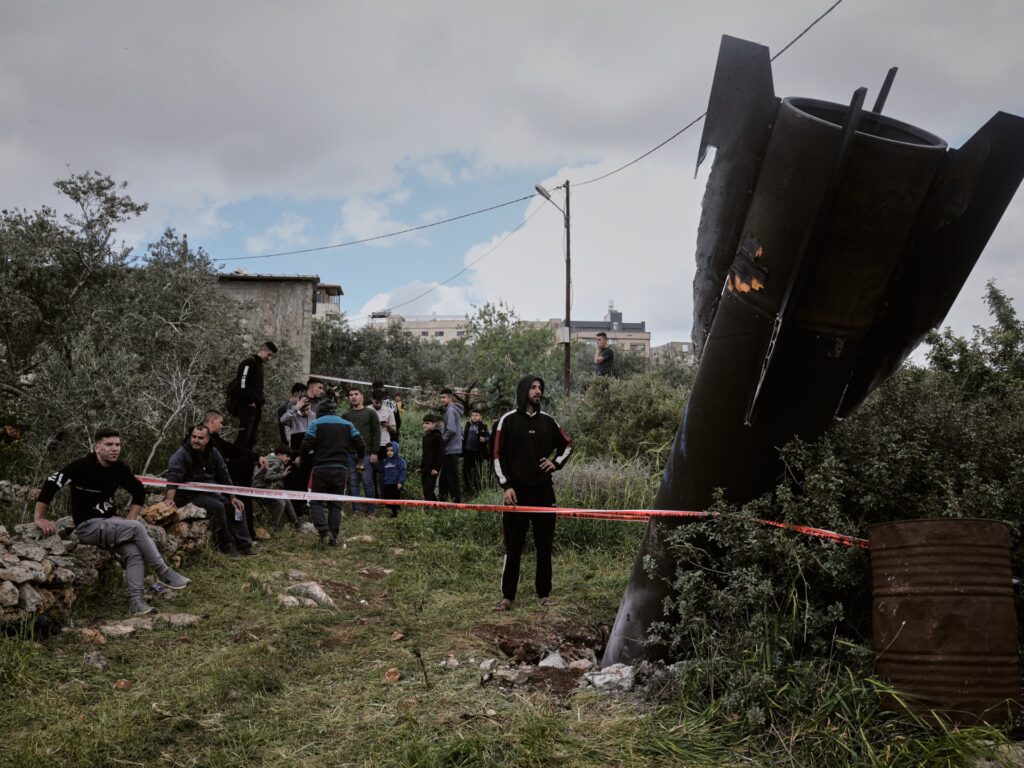
In recent developments, a significant attack in Tehran has resulted in at least 12 fatalities and left 28 others wounded, amplifying fears of a wider conflict. Despite the assertions from some quarters that dialogue and negotiations might be underway, these aggressive military strikes indicate otherwise.
The US and Israel have maintained a coordinated campaign against Iran, primarily focusing on curtailing its nuclear ambitions and regional influence. However, the precise state of diplomatic engagements remains unclear, with official Iranian sources rejecting any negotiations publicly acknowledged by former US administration figures.
These events highlight the precarious balance between diplomacy and military force in the region. The Iranian military’s refutation of Trump’s statements suggests a strategic positioning against perceived misinformation or attempts at leverage in ongoing international negotiations.
The attack in Tehran, which tragically claimed more than a dozen lives and injured many more, is a stark reminder of the human cost of these geopolitical tensions. It also reflects the increasing volatility within Iran itself, as well as the potential for these tensions to escalate further.
Observers note that the persistence of US-Israeli strikes, despite rumors of talks, complicates efforts to de-escalate the conflict. The continuing violence raises concerns about the stability of the Middle East and the potential for broader regional confrontations.
In conclusion, the situation remains dynamic and deeply concerning. The Iranian military’s dismissal of Trump’s claims about negotiations underscores a significant disconnect between rhetoric and reality on the ground. Meanwhile, the deadly consequences of ongoing strikes highlight the urgent need for clear, credible dialogue to prevent further escalation and to find a peaceful resolution to the conflict.