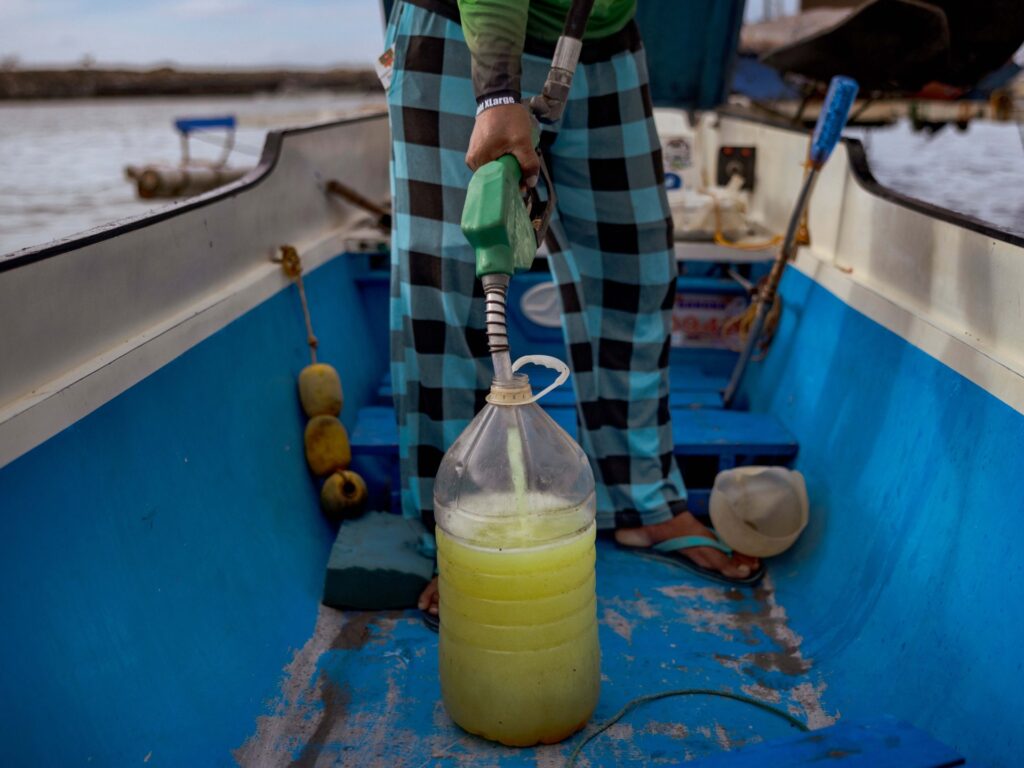
The Philippines has officially declared a national emergency to combat the rapidly dwindling fuel supplies affecting the nation. President Ferdinand Marcos Jr. announced the year-long emergency declaration in response to the escalating challenges in securing adequate fuel for transportation, industry, and energy needs. This urgent measure aims to mobilize government resources and streamline efforts to address potential disruptions in fuel availability that have threatened economic stability and daily life across the country.
Fuel scarcity has emerged as a critical issue due to a combination of global supply chain disruptions, increased demand, and logistical challenges within the archipelago. The government’s declaration empowers authorities to implement contingency plans, including rationing, price controls, and securing alternative energy sources to mitigate the crisis’ adverse effects.
President Marcos Jr. emphasized the importance of national solidarity, urging citizens and businesses to cooperate with government measures aimed at conserving fuel and reducing dependence on imports. The emergency powers will also allow the government to fast-track fuel imports, improve storage capabilities, and enhance distribution networks to ensure equitable access across regions.
Experts warn that if the fuel supply remains constrained, it could lead to inflationary pressures, hampered public transportation, and disruptions in critical sectors such as agriculture and manufacturing. The government’s proactive stance seeks to preempt these possible outcomes through coordinated intervention.
In addition to immediate relief efforts, the national emergency highlights the broader need for sustainable energy policies. The administration is expected to invest in renewable energy projects and infrastructure development to reduce future vulnerabilities associated with fossil fuel dependence.
Various sectors, including transportation, power generation, and manufacturing, are bracing for adjustments as the government rolls out emergency protocols. The declaration also enables collaboration with international partners to stabilize fuel imports and explore alternative energy avenues.
As the Philippines navigates this complex energy challenge, the national emergency serves as a critical framework to safeguard the nation’s economic resilience and ensure that essential services remain operational during this period of uncertainty. The year-long timeframe reflects the seriousness of the situation and the government’s commitment to resolving it systematically, with potential for extension if conditions require.
Overall, the declaration underscores a pivotal moment for the Philippines, spotlighting the urgent need to balance immediate crisis management with long-term strategic planning in the energy sector.