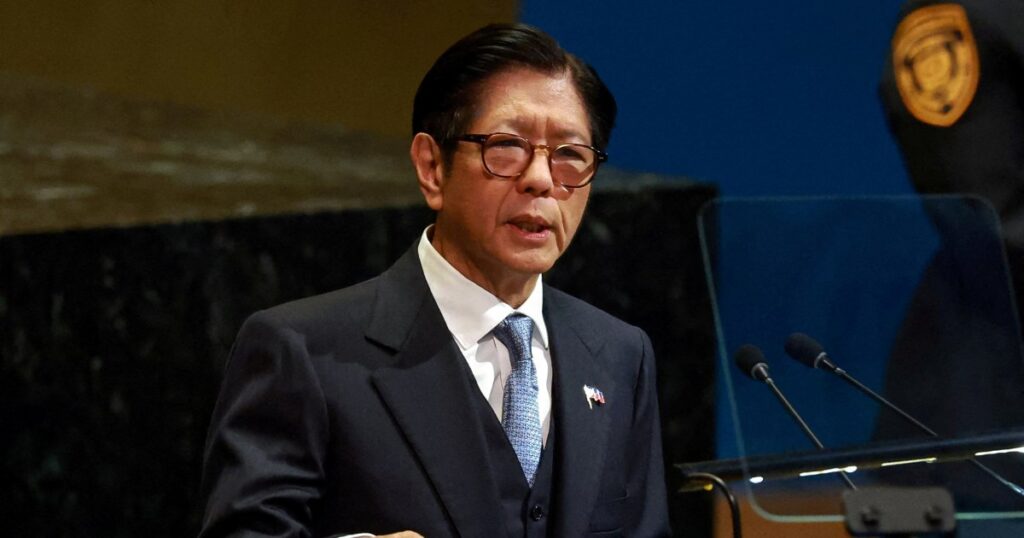
The Philippine President has officially declared an energy emergency across the country in response to the growing fuel crisis exacerbated by the ongoing conflict in Iran. This declaration aims to address rising fuel prices and supply disruptions that have started to impact various sectors, particularly transportation and industry.
The war in Iran has caused significant instability in global oil markets, leading to increased prices and limited availability of fuel. The Philippines, heavily reliant on imported oil, has been deeply affected by this turmoil. The government’s emergency declaration is intended to mobilize resources, streamline fuel distribution, and implement measures to stabilize the energy supply.
However, transport unions and industry representatives have criticized the declaration as a ‘superficial band-aid.’ They argue that the emergency measures fail to tackle the fundamental causes of the fuel crisis, such as long-term dependency on imported fuels and lack of investment in alternative energy sources.
Union leaders emphasize the urgency of developing sustainable energy policies that reduce vulnerability to global oil market fluctuations. They call for a comprehensive strategy involving diversification of energy sources, enhancement of local production capacities, and improved infrastructure for renewable energy.
The declaration allows the government to set price controls, regulate fuel distribution, and prioritize fuel allocation for essential services. While these steps may offer temporary relief, critics warn that without addressing structural challenges, the country will remain susceptible to future energy crises.
President’s office has assured the public that the emergency response will include measures to boost energy security and accelerate the transition towards cleaner, more sustainable energy. Officials also plan to engage with international partners to secure alternative fuel supplies and support for renewable energy projects.
In the transport sector, rising fuel costs have already led to increased fares and operational difficulties, which have affected daily commuters and goods transportation. The government is urged to provide targeted assistance to mitigate these impacts on vulnerable populations.
Economists warn that prolonged fuel price instability could hamper economic growth, inflation control, and investor confidence. They underline the importance of long-term reforms aimed at energy self-sufficiency and resilience.
The energy emergency declaration marks a critical moment for the Philippines as it grapples with the cascading effects of geopolitical conflicts on its domestic economy. Stakeholders agree that while immediate measures are necessary, strategic planning and investment in energy innovation remain crucial for the country’s future stability and prosperity.