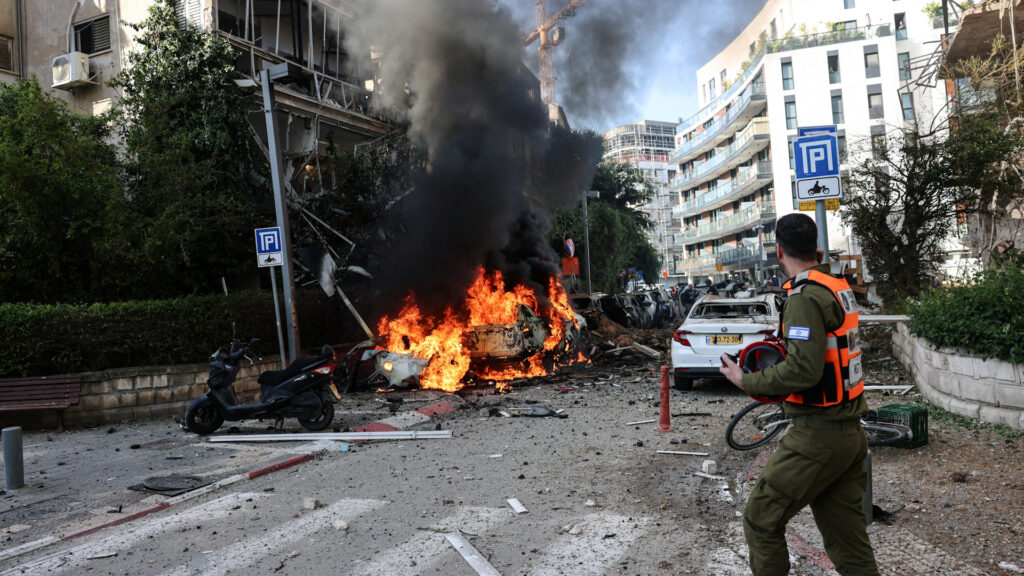
In recent developments, Israeli defensive systems have come under scrutiny following a series of damaging missile strikes attributed to Iran. These attacks have sparked a renewed debate about the efficacy of Israel’s air defence capabilities, which are crucial for safeguarding its territory and civilian population.
Over the past weeks, Iran-backed groups have launched multiple missile attacks targeting various parts of Israel, causing significant infrastructure damage and raising serious security concerns. Despite Israel’s highly regarded Iron Dome and other missile defence systems, several projectiles have reportedly penetrated these layers of protection, leading to physical damage and heightened anxiety among civilians.
Analysts suggest that the evolving tactics and the improved missile technology used by Iranian forces may be outpacing current Israeli defensive measures. This has led to calls for urgent upgrades and increased investment in Israel’s air defence infrastructure.
Israel’s military officials have acknowledged the challenges posed by the new missile threats but emphasize ongoing efforts to enhance interception rates and adapt to emerging threats. They highlight continuous innovations in radar detection, missile interception technology, and the deployment of layered defence systems designed to counter multiple missile threats simultaneously.
The Israeli government has also been urged to strengthen diplomatic channels and international cooperation to mitigate the risks posed by Iranian aggression. These efforts include intelligence sharing and coordinated countermeasures with allied nations.
Meanwhile, civilians in affected areas continue to face the psychological and physical impacts of missile strikes. Authorities have increased emergency preparedness protocols and public awareness campaigns to better equip citizens in responding to alerts and attacks.
The situation underscores the complexity of regional security in the Middle East, where technological advancements in warfare continually challenge existing defence frameworks. It also highlights the difficult balance Israel must maintain between military readiness and the pursuit of diplomatic solutions to de-escalate tensions with Iran.
As the conflict dynamic evolves, experts warn that sustained Iranian missile attacks could push Israel to overhaul its defence posture significantly, including potentially expanding offensive operations to neutralize missile launch capabilities before they pose threats.
In conclusion, the recent missile strikes have exposed vulnerabilities in Israel’s air defence systems, prompting a comprehensive review of current capabilities and strategies. The international community watches closely as Israel navigates this tense period, aiming to protect its sovereignty and maintain regional stability amid ongoing threats from Iran.