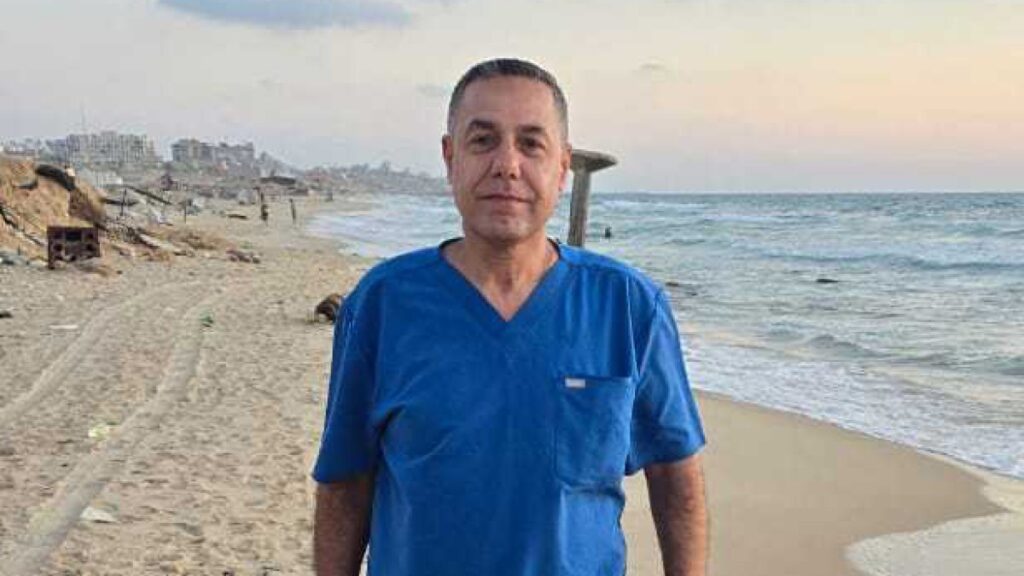
United Nations experts have called urgently for the release of Dr. Hussam Abu Safia, a Gaza-based doctor currently held in Israeli detention, amid grave concerns over his treatment. Reports have surfaced alleging that Dr. Abu Safia is enduring severe torture and is being systematically denied essential medical treatment while in custody.
Dr. Hussam Abu Safia, known for his critical work in Gaza’s healthcare sector, has become a focal point of international human rights advocacy due to these alarming allegations. The UN special rapporteurs, tasked with monitoring human rights violations globally, have issued a stern warning highlighting the unacceptable treatment he is subjected to.
According to statements from the UN experts, Dr. Abu Safia’s health has deteriorated significantly because of the withholding of necessary medical care, which constitutes a violation of international human rights laws and medical ethics. The experts emphasize that such treatment not only endangers his life but also undermines the fundamental rights of detainees to receive adequate healthcare.
The calls for his immediate release are grounded in principles of justice and humanity, underscoring the urgent need for accountability and respect for the rule of law. The UN has urged Israeli authorities to ensure that detainees like Dr. Abu Safia are protected from torture and receive proper medical attention without delay.
This situation has drawn international attention, prompting various human rights organizations and advocates to rally in support of Dr. Abu Safia. They stress that medical professionals detained in conflict situations must be afforded protection and must not be subjected to mistreatment or punitive denial of healthcare.
The UN rapporteurs are also demanding a thorough and transparent investigation into the allegations of torture and medical neglect faced by Dr. Abu Safia. They highlighted the importance of safeguarding human dignity and ensuring that justice is served in accordance with international standards.
In the broader context, this case sheds light on the chronic issues of detention conditions and the treatment of prisoners in conflict zones. It raises critical questions about compliance with international humanitarian law and the mechanisms available to protect vulnerable populations during conflicts.
The global community watches closely as these demands are made, emphasizing the role of international oversight in preventing further abuses and ensuring humane treatment for all detainees. The situation of Dr. Hussam Abu Safia remains a poignant reminder of the ongoing challenges faced in conflict-affected areas, particularly for those dedicated to saving lives under difficult circumstances.
As the call for Dr. Abu Safia’s release gains momentum, it highlights the essential dialogue on human rights, the protection of medical personnel, and the imperative of upholding fundamental freedoms even amidst conflict. This case serves as a catalyst for renewed commitments to justice, humane treatment, and respect for the rule of law globally.