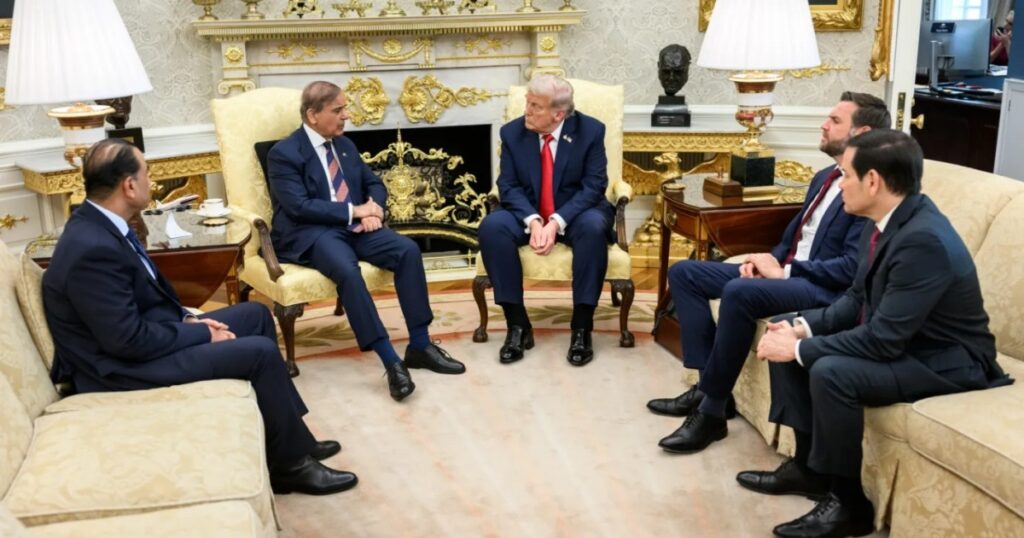
Pakistan has expressed its willingness to serve as the host for potential peace talks between the United States and Iran, marking a significant development in international diplomacy aimed at easing tensions between the two longstanding adversaries. This offer comes as part of a broader trilateral initiative involving Pakistan, Turkiye, and Egypt, all of which are actively trying to broker discussions that might lead to a reduction in hostility and pave the way for more constructive engagement.
For years, the relationship between the US and Iran has been marred by deep-rooted mistrust, sanctions, and conflicting geopolitical interests, making direct talks difficult to arrange. However, the recent moves by Pakistan and its partners underscore a shared desire among some regional players to stabilize the region and prevent further escalation.
Pakistan’s proposal to host these talks is notable for several reasons. Positioned strategically in South Asia and maintaining comparatively good relations with both the US and Iran, Islamabad offers a neutral and relatively safe venue conducive to open dialogue. Moreover, Pakistan’s involvement signals its intent to play a more proactive role in regional peacebuilding efforts, leveraging its unique position to bridge divides.
Turkiye and Egypt’s engagement alongside Pakistan adds further weight to the initiative. Both countries have vested interests in Middle Eastern stability and share concerns about the ramifications of ongoing conflicts and strained US-Iran relations. Their participation may facilitate a more balanced approach to the negotiations, incorporating perspectives from different parts of the Islamic world.
Analysts, however, urge caution. They note that despite these promising overtures, the gap between the US and Iran remains substantial. Issues such as Iran’s nuclear program, US sanctions, regional proxy conflicts, and mutual accusations of interference in each other’s affairs create a complex web of challenges. Overcoming these will require not just willingness to talk but significant concessions and confidence-building measures.
Previous attempts at dialogue have either stalled or failed to produce lasting agreements, often due to political shifts, internal pressures, or mistrust. This history makes some experts skeptical about the prospects of success this time, emphasizing that any breakthrough will likely be incremental and require sustained effort.
Nevertheless, the readiness of Pakistan, Turkiye, and Egypt to facilitate discussions represents an important diplomatic opening. If managed carefully, these talks could lower tensions and open channels for further negotiations on contentious issues.
The initiative may also encourage other regional and global powers to support or join peace efforts, amplifying the potential for a comprehensive agreement that benefits broader international security and economic stability.
As Pakistan prepares to take on this role, the world watches cautiously optimistic, hoping that this latest peace push can overcome past hurdles and contribute to a more peaceful and cooperative US-Iran relationship.