Strategic oil reserves are critical assets held by countries to mitigate supply disruptions, stabilize markets, and ensure national energy security. In response to recent geopolitical tensions and market uncertainties, members of the International Energy Agency (IEA) have coordinated a release of 400 million barrels of oil from their strategic reserves to help stabilize global oil prices.
Several countries around the world maintain strategic petroleum reserves (SPR), though the size and management of these reserves vary depending on national policies, oil consumption levels, and geopolitical considerations.
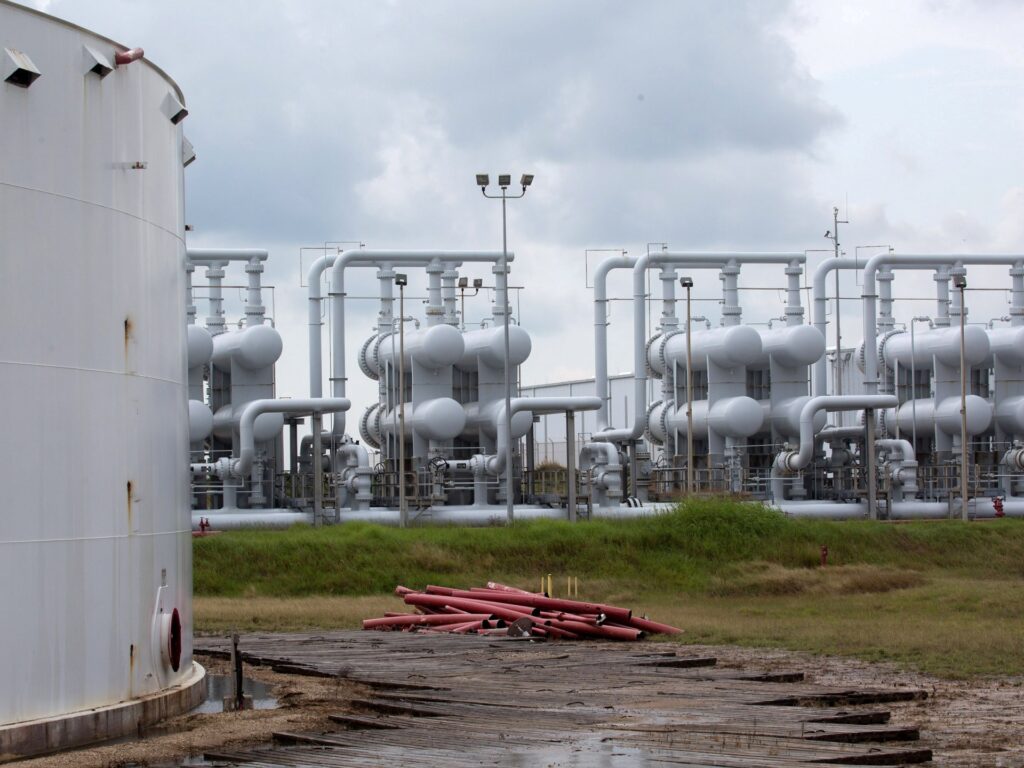
1. United States: The U.S. holds the largest strategic petroleum reserve globally. The U.S. Strategic Petroleum Reserve, established in the 1970s, has a capacity of about 714 million barrels spread across underground salt caverns along the Gulf Coast. Typically, the reserve holds around 600-700 million barrels of crude oil.
2. China: China has rapidly expanded its strategic petroleum reserves over the past two decades. Estimates suggest China’s SPR capacity exceeds 400 million barrels, with plans to increase it further to enhance energy security as the country is the world’s largest oil importer.
3. Japan: Japan, heavily reliant on oil imports due to limited domestic reserves, maintains strategic oil stocks equivalent to roughly 170 million barrels, which cover several months of consumption to guard against supply shocks.
4. South Korea: Another major importer, South Korea holds strategic reserves estimated at about 100 million barrels to secure energy supply stability.
5. India: India is expanding its strategic oil reserves and currently has a capacity of around 39 million barrels, with ongoing projects to increase storage capability significantly as part of its energy security strategy.
6. European Union (EU) Countries: Many EU nations hold strategic reserves either individually or collectively under EU regulations. The EU directives require member countries to maintain reserves equivalent to 90 days of net imports. Estimates put the collective strategic reserves at around 200-250 million barrels.
7. Other Countries: Countries such as Australia, Canada, several Middle Eastern nations, and Russia also maintain their own strategic reserves, though capacities vary widely.
The IEA’s initiative to release 400 million barrels from these reserves represents a significant coordinated effort to alleviate supply shortages and stabilize prices, reflecting the importance of international cooperation amidst global energy challenges.
Maintaining strategic oil reserves is a vital component of national energy strategy, helping countries weather disruptions caused by geopolitical crises, natural disasters, or market fluctuations. The IEA members’ coordination exemplifies how collective action can contribute to energy stability globally.