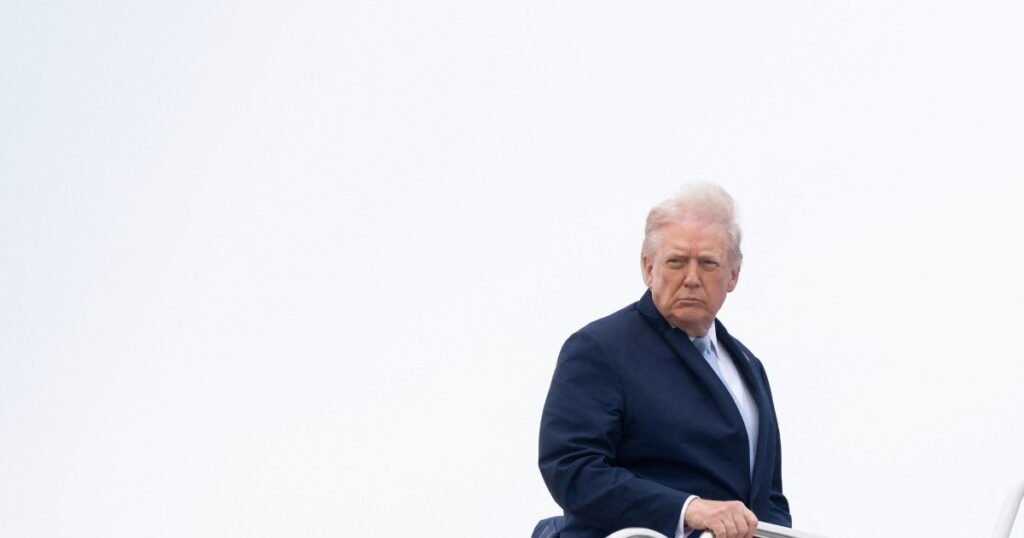
In a significant shift amid escalating tensions, President Donald Trump has indicated a potential off-ramp in the ongoing conflict scenario with Iran by ordering the postponement of planned US military strikes against Iranian power plants and energy infrastructure. This move signals a cautious approach, avoiding immediate aggressive action against Iran despite heightened hostilities.
The President’s decision comes amid a complex geopolitical environment where the US is navigating the delicate balance between exerting pressure on Iran and preventing an outright war. Notably, Trump emphasized that his administration does not seek a regime change in Tehran, underscoring a strategic restraint in the US stance.
Earlier plans for targeted strikes were aimed at weakening Iran’s energy capabilities, which are a critical part of the country’s economy and its ability to support various military and paramilitary groups in the region. However, the postponement reflects Trump’s willingness to explore diplomatic or less confrontational alternatives.
This development follows weeks of heightened rhetoric and military posturing, with concerns rising internationally about the potential for a larger-scale conflict that could destabilize the Middle East further.
Experts note that the President’s approach could be influenced by multiple factors, including ongoing dialogues with allies, the assessment of intelligence on Iran’s military intent, and domestic considerations within the United States.
Critics of the administration argue that the delay might embolden Iran by showing hesitation, while supporters say it demonstrates prudent leadership aimed at avoiding unnecessary escalation.
Meanwhile, diplomatic channels remain active, with the US signaling openness to negotiations while maintaining a robust defense posture. Both regional and global actors are closely monitoring the situation for any changes that could impact international security and economic stability.
The postponement does not rule out future military actions; rather, it suggests a recalibration of strategy to ensure any action taken is measured, strategic, and aligned with broader US interests and international law.
This nuanced approach by the Trump administration highlights the complexity of US-Iran relations and the challenges in managing conflicts where military options come with high risks of escalation and wide-reaching consequences.
As the situation continues to evolve, attention remains on how diplomatic efforts unfold and whether new pathways to peace or conflict will emerge from this critical juncture.