Tensions in the Middle East have escalated following U.S. President Donald Trump’s warning surrounding the Strait of Hormuz, a vital waterway for global energy supplies. Concerns over potential military action have brought Iran’s critical infrastructure into focus, particularly its energy, water, and financial sectors, as possible targets in the event of conflict.
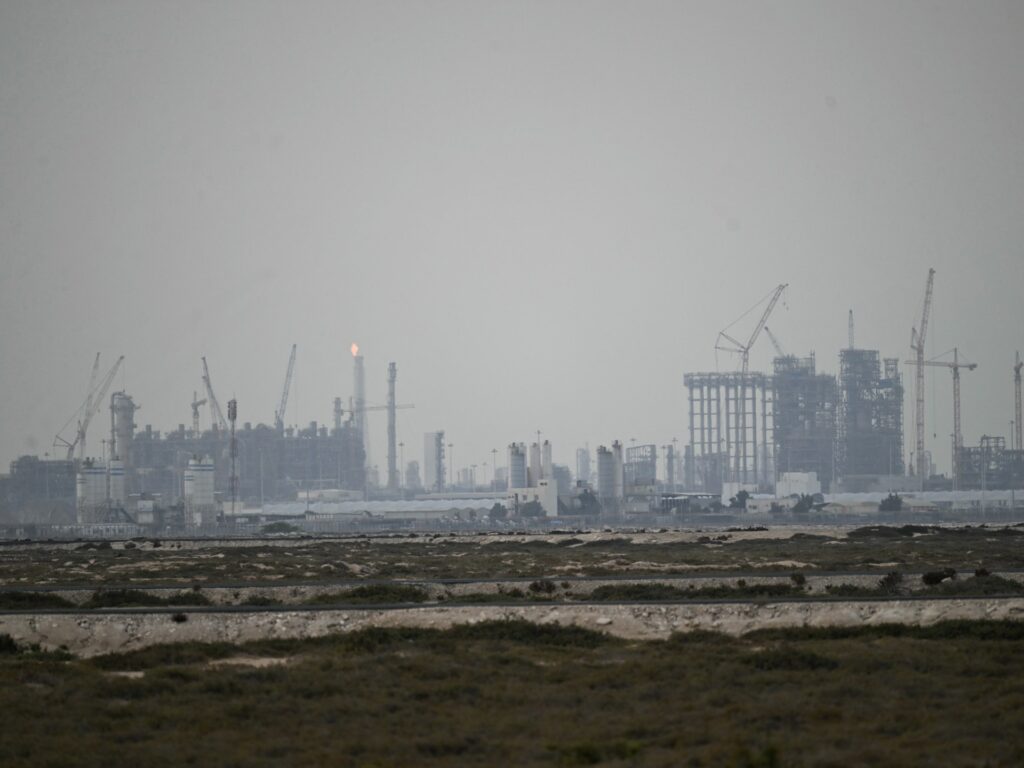
Iran relies heavily on its energy sector, which constitutes a significant part of its economy and global oil exports. The country possesses several power plants that are crucial for electricity production and sustaining its industrial capabilities. If these power plants were attacked or targeted as a result of heightened geopolitical tensions, it could severely disrupt domestic energy supply and impact not only Iran but also global energy markets.
Water infrastructure is another vital component in Iran’s national security framework. Given the arid climate and ongoing water scarcity issues across the region, water management systems including dams, reservoirs, and treatment facilities are critical for sustaining agricultural production, industry, and urban areas. Targeting such infrastructure could create widespread civilian hardships and destabilize the government.
Furthermore, Iran’s financial sector, particularly its bond markets, plays an important role in maintaining economic stability. Disruption here could impair Iran’s ability to finance its domestic projects and defense capabilities, weakening its resilience in the face of external pressure.
The strategic interplay of these sectors underscores Tehran’s vulnerability in the face of possible American intervention following Trump’s Strait of Hormuz ultimatum. The U.S. administration’s emphasis on securing freedom of navigation through the strait—a critical chokepoint through which about a third of the world’s seaborne oil passes—has been met with warnings of retaliation from Iran.
Iran’s leadership has indicated that any military moves against its infrastructure could provoke significant retaliatory strikes, possibly against U.S. interests and allies in the region. This dynamic has heightened fears of a broader conflict that could disrupt global energy supplies and destabilize geopolitical relations across the Middle East.
In addition to military considerations, economic sanctions and cyberattacks are tools that have been employed in this ongoing confrontation. Sabotage of energy installations and electronic systems has the potential to inflict damage without overt acts of war but with substantial economic consequences.
International observers urge caution and diplomacy to avoid escalation that could imperil the fragile balance in the region. They advocate for negotiations that address both Iran’s security concerns and the global imperative for uninterrupted energy flows.
In summary, Iran’s targets under a potential Trump administration strike scenario include key energy infrastructures such as power plants, essential water management facilities, and its financial bonds system. Each plays a critical role in Iran’s national resilience, and their disruption could have far-reaching consequences both within Iran and globally. The situation remains fluid as diplomatic efforts continue to seek peaceful solutions to prevent the outbreak of a larger conflict in this strategically vital region.