In a recent development that could significantly impact US allies’ strategic calculations in the ongoing conflict, Iran has denied allegations that it launched a long-range missile attack on Diego Garcia. Iranian official Esmaeil Baghaei publicly dismissed these claims, labeling them a ‘false flag’ operation designed to mislead and manipulate international opinion.
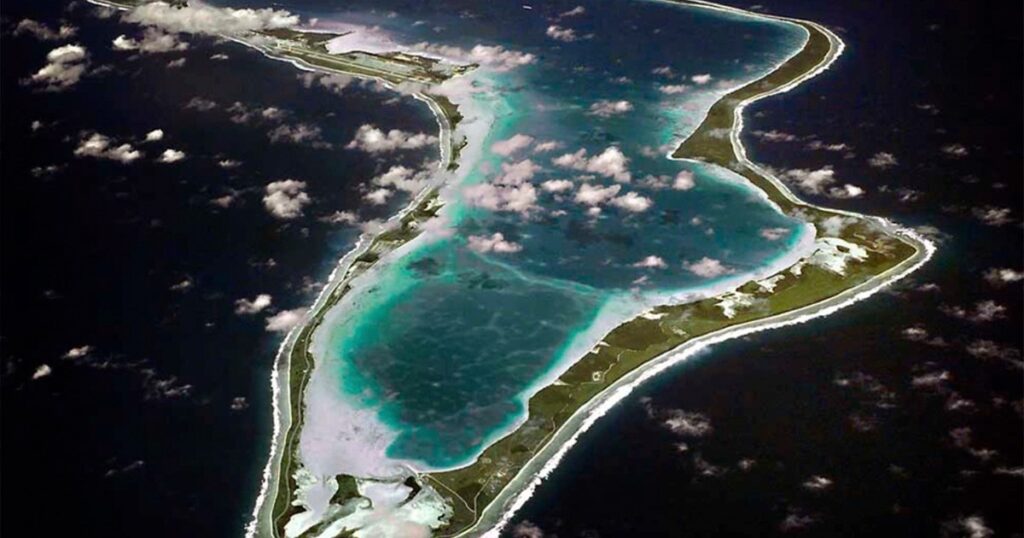
Diego Garcia, a critical US military base situated in the Indian Ocean, holds a strategic position that enhances American power projection across Asia and the Middle East. Any attack on this facility would represent a bold escalation in regional hostilities, potentially drawing direct military responses from the United States and its allies.
The accusations against Iran surfaced amid heightened tensions and ongoing conflicts in the Middle East, where proxy confrontations and direct engagements frequently raise the stakes daily. The alleged missile strike triggered alarm across diplomatic and defense circles, prompting discussions on the need for reassessment of defense postures among US allies.
Iran’s staunch denial, as articulated by Baghaei, underscores the complexity of information warfare in modern conflicts. The term ‘false flag’ typically refers to deceptive operations carried out by one party, intending to attribute blame incorrectly to another. Such tactics can escalate conflicts, influence public opinion, and justify military actions under contested premises.
Skeptics of the missile attack claims cite a lack of concrete evidence and the timing of the accusations as reasons for caution. Analysts suggest the reports might be aimed at rallying international support against Iran or distracting from other regional developments.
The situation underscores the volatile nature of the war dynamics involving Iran, the United States, and their respective allies. Any misattribution or miscalculation could have far-reaching consequences, escalating hostilities beyond the current scope.
It is crucial for international observers and policymakers to scrutinize all available intelligence meticulously to prevent misconceptions that could lead to unintended escalation. Transparency and verification of facts remain paramount in maintaining regional stability.
As events unfold, the international community watches closely, understanding that narratives framed by states can influence the course of conflicts profoundly. The debate over the alleged missile strike is not just about military capabilities but also about the power of narrative and information control in modern warfare.
Iran’s rejection of the missile attack charges invites careful consideration of all perspectives and calls for rigorous diplomatic efforts to avoid further exacerbation of tensions. In the high-stakes environment of Middle Eastern geopolitics, every claim and counterclaim carries potential consequences for peace and security worldwide.