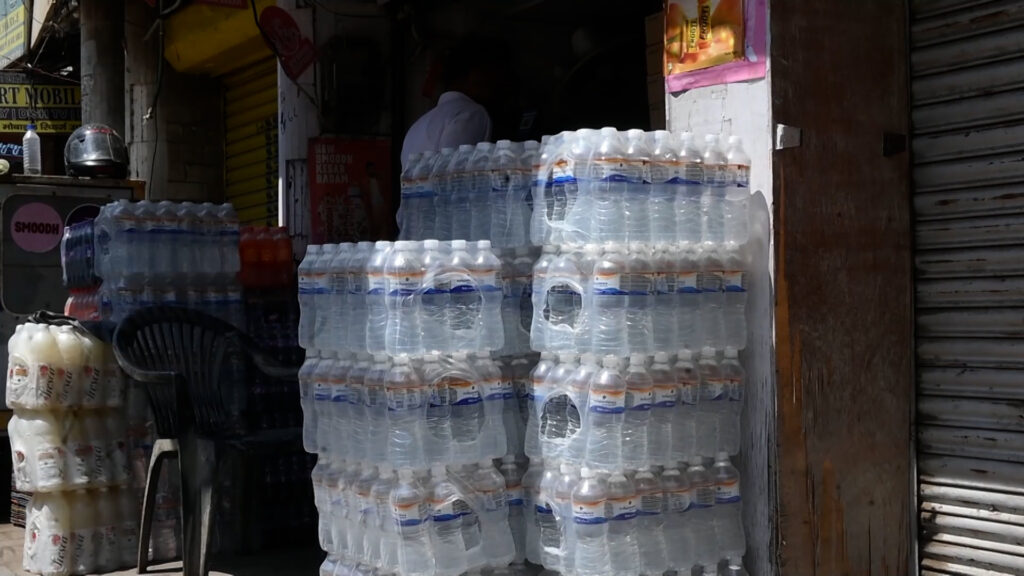
The ongoing conflict between the United States, Israel, and Iran has led to significant economic repercussions globally, with India experiencing noticeable strain on the prices of essential resources such as food, water, and fuel. Residents in northern India, particularly in rural and semi-urban areas, have expressed increasing concern over the rising costs and the resulting impact on their daily lives.
This conflict has disrupted global supply chains, particularly those involving oil and agricultural commodities, which India heavily depends on. Iran, being a major oil supplier in the region, plays a crucial role in stabilizing fuel prices. The hostilities have caused uncertainty in oil markets, pushing fuel prices upward. This rise directly impacts transportation costs, which in turn inflate the price of food and basic commodities.
Moreover, the conflict has affected the availability of fertilizers and agricultural products. Iran and neighboring countries are key suppliers of certain chemical fertilizers. Supply disruptions have led to higher costs for farmers, which trickle down to consumers as increased food prices.
Water scarcity issues, already prevalent in northern India due to climate patterns, are compounded by this conflict as fuel shortages hinder efficient water distribution and irrigation.
Economic analysts observe that the war exacerbates inflationary pressures in India, disproportionately affecting lower-income households who allocate a higher share of their income to essentials. The government faces challenges in mitigating these impacts while balancing international diplomatic and trade considerations.
Local communities report a growing sense of urgency and distress, with some resorting to rationing and seeking alternative sources where possible. The agricultural sector fears prolonged disruption if the conflict continues, potentially threatening food security in the region.
In conclusion, the US-Israeli war on Iran is not confined to geopolitical boundaries but extends its influence to everyday life in distant regions such as northern India. The interplay of disrupted oil supply, increased costs for agricultural inputs, and logistic challenges feed into a complex crisis affecting the affordability and availability of food, water, and fuel. Policy responses, enhanced global cooperation, and conflict resolution will be critical to restoring stability.
This situation highlights the interconnectedness of global conflicts and their far-reaching consequences, underlining the need for robust strategies to protect vulnerable populations from the ripple effects of international strife.