In a strong show of alliance, Israeli Prime Minister Benjamin Netanyahu has declared his support for potential US military strikes on Iran’s power infrastructure. This backing comes amid escalating tensions centered around the strategic Strait of Hormuz, a vital maritime passage for global oil shipments that Iran has reportedly restricted.
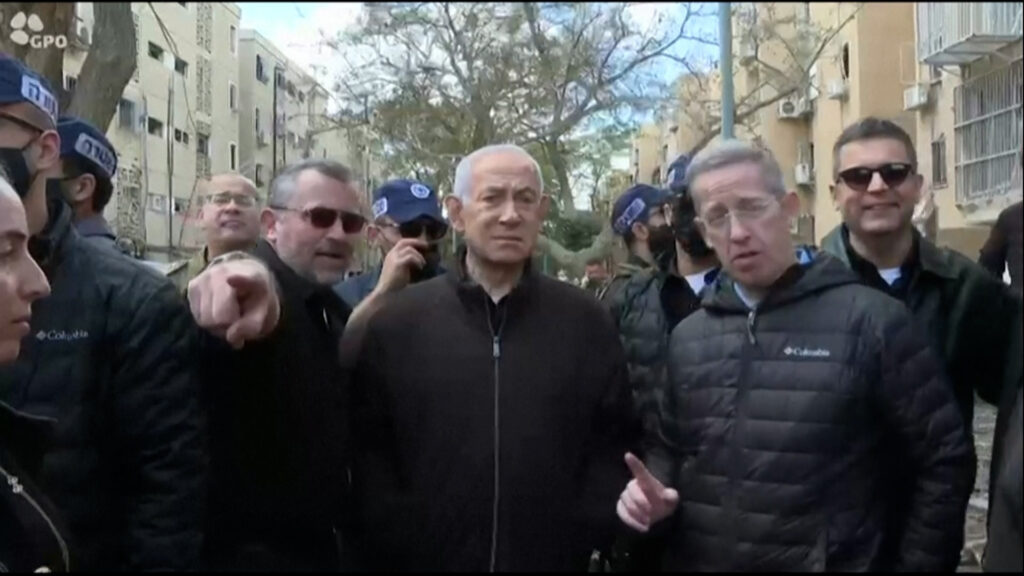
Netanyahu’s statements underscore a tough stance against Tehran, urging Iran to reopen the Strait of Hormuz, which has been a flashpoint in recent geopolitical conflicts. He emphasized the importance of coordinated efforts between Israel and the United States, stating, ‘We do it together, in confidence.’ This phrase highlights a commitment to joint action and mutual trust in addressing threats posed by Iran’s maneuvers.
The Strait of Hormuz is a critical chokepoint through which a large portion of the world’s petroleum passes. Any obstruction or threat to navigation there has immediate implications for international energy markets and global security.
Israel’s support for US strikes marks an escalation in regional security dynamics, reflecting shared concerns over Iran’s nuclear ambitions and its influence across the Middle East. Netanyahu’s readiness to back strikes on Iran’s power grid signals a willingness to confront such threats decisively if diplomatic efforts fail.
Washington has been monitoring Iran’s activities closely, particularly its restrictions in the Gulf which limit the free passage of commercial and military vessels. The US sees these restrictions as aggressive provocations that jeopardize freedom of navigation, regional stability, and energy security.
By endorsing potential US military action, Netanyahu aligns Israel with American policy aimed at containing Iran’s nuclear program and curbing its regional influence. This cooperation could include intelligence sharing, logistical support, and coordinated strategic strikes.
Critics warn that military strikes, especially on critical infrastructure like power grids, could escalate conflict and provoke retaliatory attacks, potentially destabilizing the entire Middle East.
However, proponents argue that firm measures are necessary to deter Iran from continuing aggressive actions that threaten global peace and security.
Netanyahu’s public statement may also be signaling to Iran and the international community that Israel is resolute and prepared to act decisively alongside its allies to protect mutual interests.
The US and Israel have maintained a strong strategic partnership for decades, driven by shared democratic values and mutual security concerns in a volatile region.
This development adds to ongoing discussions on diplomatic and military options dealing with Tehran, as international powers weigh the repercussions of further military engagement against attempts at negotiation.
For now, Israeli support for US strikes represents a clear warning to Iran that obstruction of critical maritime routes and other aggressive acts will not be tolerated.
The situation around the Strait of Hormuz remains tense, with global markets and political analysts closely watching the evolving dynamics between Iran, the US, and its allies such as Israel.