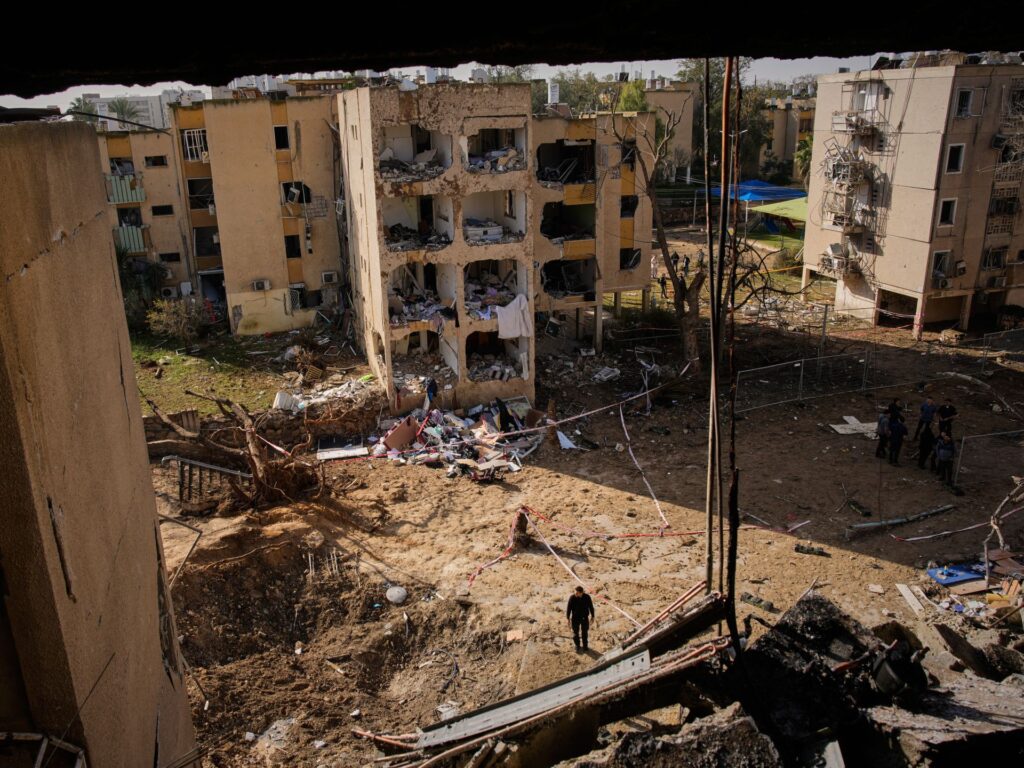
Recent Iranian attacks on Arad and Dimona, located close to Israel’s nuclear site, have raised significant concerns about Israel’s assessment of Iranian military capabilities and its overall defense strategy. These incidents have shocked many, prompting experts and analysts to revisit how Israel perceives and prepares against threats from Iran.
The strikes targeting Arad and Dimona were not only symbolic but also tactical, showcasing Iran’s enhanced precision and reach. Dimona, in particular, is known for its association with Israel’s nuclear capabilities, making it a highly sensitive and strategic target. The attacks highlighted vulnerabilities that Israel may have underestimated.
Israel has traditionally maintained a robust defense mechanism, including advanced missile defense systems like Iron Dome and David’s Sling. However, the recent Iranian actions suggest possible gaps in early-warning systems or intelligence that failed to detect or anticipate the scale and sophistication of these threats.
Analysts argue that Iran’s military development, including drone technology, missile advancements, and asymmetric warfare tactics, has evolved rapidly. Israel’s defense calculations might have been anchored on older intelligence, not fully accounting for Iran’s accelerated capabilities.
Criticism within Israeli defense circles revolves around the apparent complacency or misjudgment of Iran’s willingness and ability to strike within Israeli territory. The surprise element of the Iranian attacks indicates a reassessment is needed to better understand Iran’s strategic intents and operational capacity.
Moreover, the choice of targets like Arad and Dimona raises questions about Iran’s intelligence capabilities and possibly support from proxy groups that provide operational assistance or intelligence. This complicates Israel’s defense strategy, making it not only a matter of direct military response but also strategic intelligence and counter-proxy measures.
In response, Israeli leadership has emphasized strengthening defense infrastructure and intelligence operations. Calls for increased bilateral and multilateral intelligence-sharing with allies are also gaining momentum to counter the evolving Iranian threats more effectively.
This incident underscores the dynamic nature of Middle Eastern geopolitics, where rapid military advancements can outpace traditional defense assumptions. It is a critical reminder for Israel to continuously adapt its military strategy, integrate cutting-edge technologies, and enhance proactive intelligence capabilities.
Looking forward, the Israeli defense establishment is expected to conduct thorough reviews and possibly overhaul aspects of its threat assessment frameworks. This includes revising war game scenarios, investing in next-generation missile defense systems, and intensifying cyber defense initiatives.
The attacks represent a wake-up call about the complexities of modern warfare in the region, where state and non-state actors employ diverse tactics. Israel’s strategic community must remain agile, informed, and technologically superior to counter current and future challenges posed by Iran and its proxies.
In conclusion, while Israel has a history of strong defense planning, recent events indicate a possible miscalculation regarding Iranian military capabilities. Addressing this requires a combination of improved intelligence, advanced defensive technologies, and comprehensive geopolitical strategies to secure national safety and regional stability.