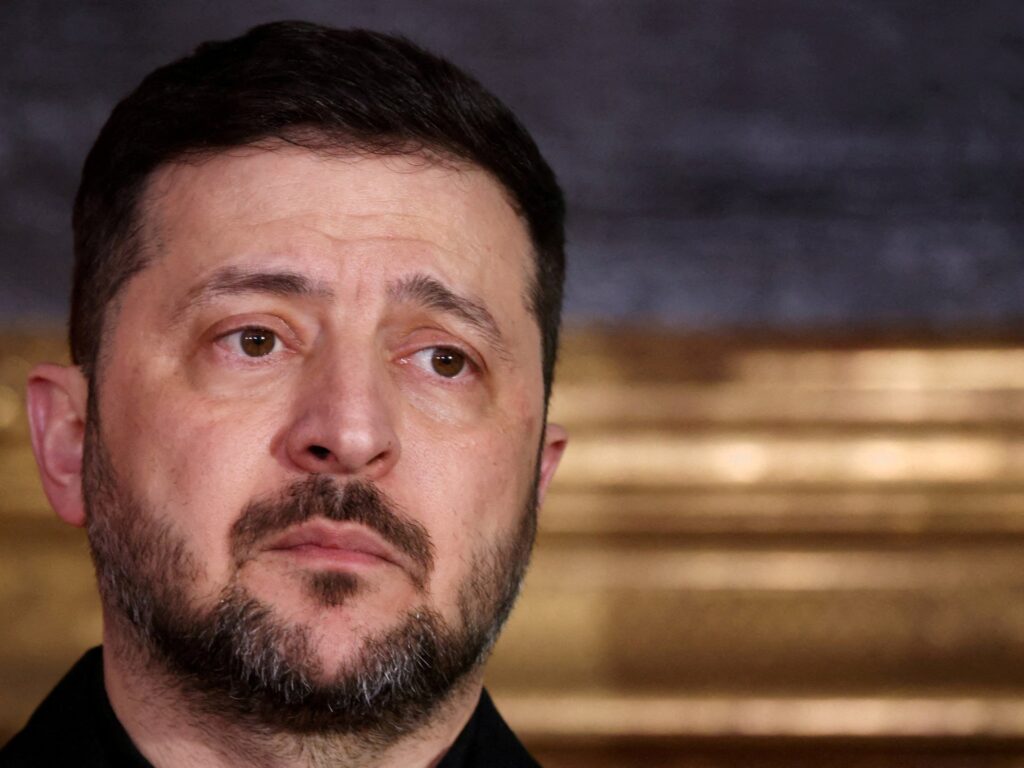
In the lead-up to renewed discussions between Ukraine and the United States scheduled in Florida, Volodymyr Zelenskyy, Ukraine’s president, has called on international allies to intensify pressure on Russia. Zelenskyy highlights a troubling trend of increased oil revenues for Russia, which he warns could bolster Moscow’s ongoing military efforts.
The context for these urgent appeals is set by the escalating conflict in Ukraine, where Russian forces have maintained persistent military pressure. Zelenskyy’s concerns center around the financial resources that Russia is acquiring from higher oil sales amid global energy demands. These revenues reportedly provide Moscow with the funds to sustain and potentially ramp up its military operations.
The forthcoming US-Ukraine talks are expected to focus on cooperation efforts, potential military aid, and strategies to counteract economic gains Russia is making from oil exports. Zelenskyy’s message to the international community is clear: without increased sanctions or measures targeting Russia’s oil income, the conflict may become more protracted and devastating.
Experts note that the global energy market’s volatility has been partly fueled by geopolitical tensions, with sanctions on Russia leading to supply shifts and pricing challenges worldwide. Yet, despite these sanctions, Russia appears to be finding alternative avenues to sell its oil, increasing revenue streams that feed its war economy.
Zelenskyy’s appeal also serves as a rallying call for unified international action, emphasizing that fragmented policies or weak enforcement of sanctions allow Russia to exploit loopholes.
During the talks in Florida, Ukraine is expected to seek enhanced support from the United States — including military aid packages, economic assistance, and diplomatic backing aimed at tightening sanctions on Russia’s energy sector.
The Ukrainian leadership stresses that halting Russia’s oil revenue growth is pivotal to weakening its military campaigns. Zelenskyy argues that the more funds Moscow generates from oil, the longer the conflict persists, with significant human and economic costs for Ukraine and the broader region.
Many Western nations have imposed sanctions on Russian oil imports; however, the effectiveness of these measures depends on global coordination and compliance. Zelenskyy’s statement underscores the critical need for ongoing vigilance and robust international cooperation.
The talks also arrive amidst discussions about diversifying energy supplies globally to reduce dependency on Russian oil, adding another dimension to the geopolitical calculus.
In summary, Zelenskyy’s call to action anticipates that the US-Ukraine dialogue will forge a comprehensive approach to curtail Russia’s oil revenues, aiming to deplete the financial mechanisms that fuel military aggression. The coming weeks will be crucial as global leaders navigate these complex dynamics while striving to support Ukraine’s sovereignty and promote regional stability.