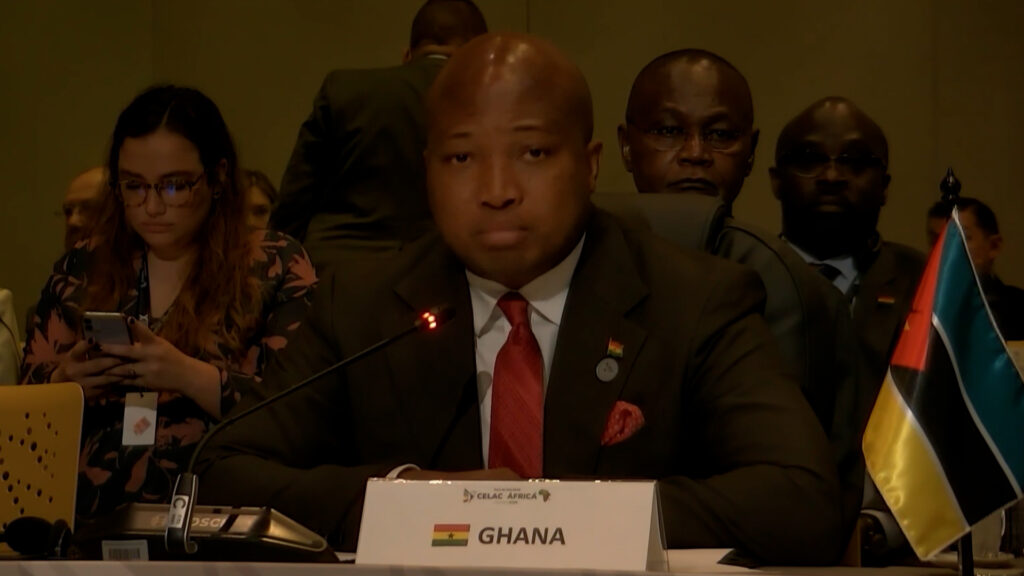
Ghana has taken a significant step in addressing historical injustices by proposing an international resolution that calls for the trans-Atlantic slave trade to be formally recognized as a crime against humanity. This initiative, led by Ghana’s Foreign Minister, aims to bring global attention to the atrocities committed during the period of the trans-Atlantic slave trade and to seek justice and acknowledgment of the suffering endured by millions of Africans forcibly taken from their homelands.
The trans-Atlantic slave trade, which spanned from the 15th to the 19th century, involved the forced transportation of millions of Africans to the Americas under brutal conditions. Despite its abolition nearly two centuries ago, the lasting social, economic, and cultural impacts of this dark chapter in history continue to affect descendants and societies worldwide.
Ghana’s proposal calls on the international community to formally recognize the slave trade as a crime against humanity, a classification that underscores the severe violations of human rights involved in the trade. Such recognition would not only serve as a powerful acknowledgment of the historic crimes but also reinforce the importance of combating all forms of modern slavery and human trafficking.
The Ghanaian government asserts that this resolution is a crucial step towards healing, reconciliation, and fostering a better understanding of the trans-Atlantic slave trade’s legacy. By framing the slave trade as a crime against humanity, Ghana is urging international bodies, including the United Nations, to adopt measures that ensure historical accountability and pave the way for reparative measures.
This move by Ghana highlights the importance of historical justice in strengthening human rights frameworks and promoting global solidarity against systemic abuses. It also encourages other nations affected by the slave trade to join the call for formal recognition and collective memory preservation.
The proposal has sparked discussions worldwide, bringing renewed focus to the lasting impacts of the slave trade and the ongoing fight against racial injustice and inequality. Legal experts and human rights advocates have largely welcomed the initiative, emphasizing that formal acknowledgment could lead to increased educational efforts and policy changes aimed at addressing the residual effects of slavery.
Ghana’s Foreign Minister has been actively engaging with counterparts across different regions to gain support for the resolution. The proposal seeks to unify voices in condemning the trans-Atlantic slave trade and to promote international cooperation in recognizing and addressing crimes against humanity in all their forms.
Should the resolution pass, it would mark a historic milestone in international law and moral recognition of the grave injustices inflicted during the slave trade era. It signals a broader commitment to human rights, justice, and the acknowledgment of past horrors to prevent future atrocities.
As the world reflects on this move, it serves as a reminder of the importance of facing difficult historical truths and the role of international dialogue in achieving justice and equality for all.