The Middle East continues to be a hotspot of geopolitical tensions as significant developments unfold involving key players such as Iran, Israel, the United States, and international organizations. In a surprising statement, former U.S. President Donald Trump indicated that a deal with Tehran could be possible, introducing a potential shift in the diplomatic landscape amid long-standing hostilities. Trump’s comment comes at a time when diplomatic efforts have been met with numerous challenges, raising hopes among some international observers for a breakthrough in negotiations surrounding Iran’s nuclear program and regional policies.
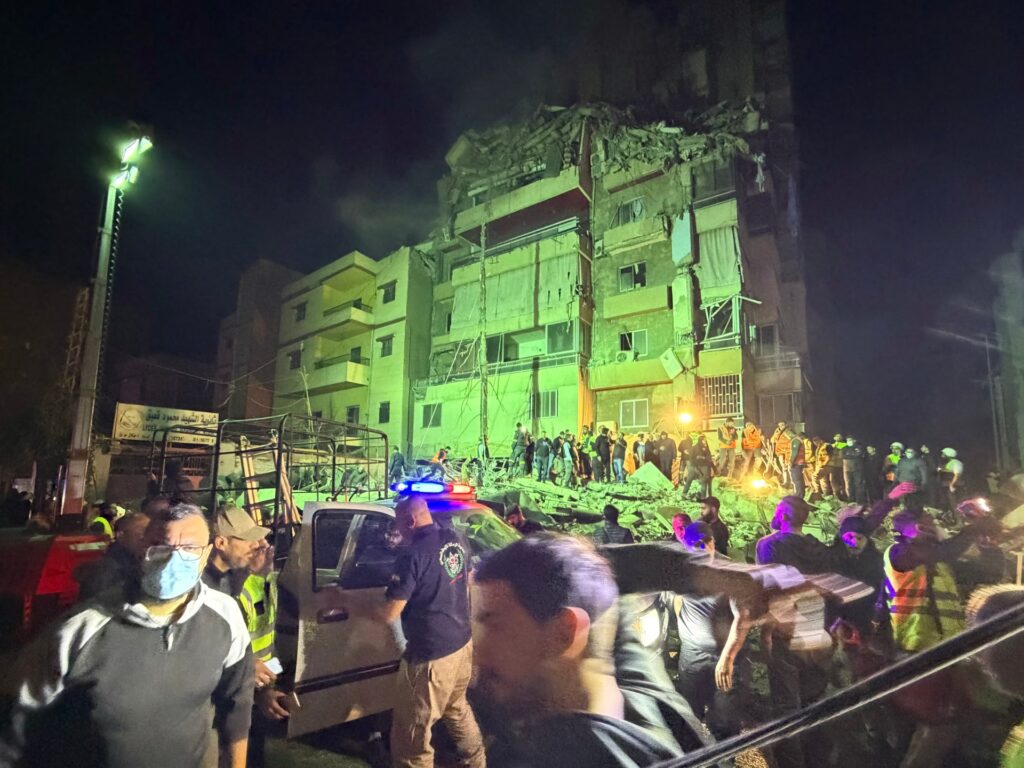
Meanwhile, escalating military actions have raised alarms in the region. Israeli forces have reportedly conducted bombings in Beirut, Lebanon, marking a severe escalation that exacerbates already fragile regional security dynamics. The bombings are linked to targeting locations associated with Hezbollah, an organization designated as a terrorist group by Israel and others but also a significant political player in Lebanon. This aggressive move has led to international concern about further destabilization and the potential for wider conflict.
In parallel, the United Nations has issued a strong call on Israel to release two members of a Gaza aid flotilla who were abducted in international waters. The individuals are reportedly being held without charge, sparking international condemnation and calls for adherence to international law. The Gaza aid flotilla has been a focal point of contention, aiming to challenge Israel’s blockade of Gaza and bring humanitarian assistance to the territory. The UN’s involvement underscores the complexity and gravity of maritime rights issues and humanitarian concerns in the ongoing Israel-Gaza conflict.
The intersection of these events highlights the multifaceted and volatile nature of the Middle East conflict. Trump’s openness to a deal with Iran signals a potential diplomatic channel reopening that could realign regional relations and influence security calculations. However, the Israeli bombings in Lebanon reflect the entrenched hostility and immediate security threats that complicate peace prospects.
Furthermore, the UN’s stand on the Gaza flotilla incident emphasizes the international community’s role in seeking lawful solutions and protecting human rights amid conflict. The detainment of aid workers without charges raises questions about due process and the treatment of civilians in conflict zones.
Experts suggest that any progress towards peace will require addressing the intertwined issues of security, sovereignty, and humanitarian needs while managing the strategic interests of involved nations and non-state actors. The situation remains fluid, with developments on the ground continuing to evolve rapidly.
Regional powers and international stakeholders are closely monitoring these incidents, understanding that a miscalculation could lead to broader confrontations. The international community’s response, especially from major powers and the UN, will be critical in steering the situation either toward escalation or resolution.
Citizens in affected areas face daily challenges as the conflict impacts lives, infrastructure, and livelihoods. The call for diplomatic engagement, humanitarian access, and conflict de-escalation resonates amidst the turmoil.
In conclusion, the current situation in the Middle East is a complex interplay of diplomatic overtures, military actions, and international legal issues. Trump’s statement about a possible deal with Tehran offers a glimmer of hope for negotiation, but the concurrent Israeli bombings in Beirut and UN demands highlight the persistent tensions and the urgent need for comprehensive solutions. How these events unfold will have significant implications not only for regional stability but also for global peace and security.