Tensions in the Middle East have escalated dramatically as Iran launched strikes on towns near Israel’s prominent nuclear facility. The towns of Dimona and Arad, located close to Israel’s strategic nuclear site, were targeted by Iranian forces. These attacks are believed to be a retaliatory response to a previous assault on Iran’s own Natanz nuclear site, a critical component of its nuclear infrastructure.
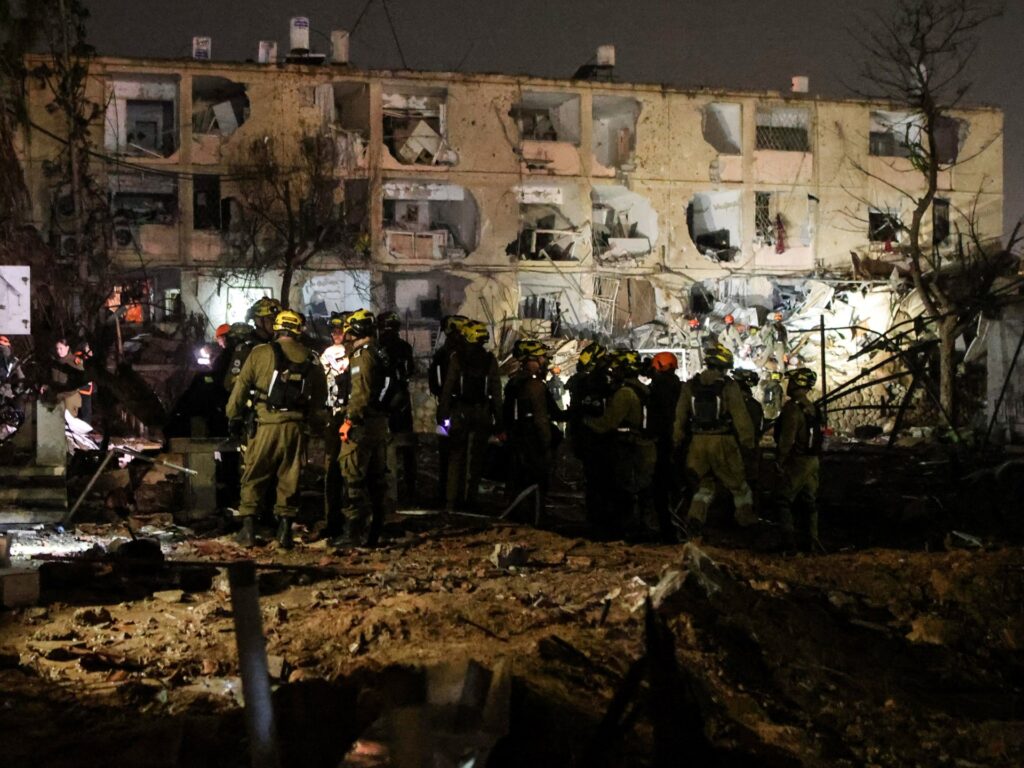
The recent strike resulted in at least 180 individuals being wounded, highlighting the severe humanitarian impact of this conflict. The attacks on Dimona and Arad not only pose a direct threat to Israeli security but also escalate fears of a broader conflict in a region already fraught with longstanding geopolitical tensions.
Israel’s nuclear site, positioned near these towns, is a critical element in the country’s defense and energy infrastructure. The attack on this area has raised international concerns about the potential for further military escalations between the two nations.
In response to the attacks, global leaders and organizations have called for restraint and urged both countries to engage in dialogue to prevent further violence. The situation remains volatile, with the international community closely monitoring developments to prevent the conflict from expanding.
Iran’s Natanz nuclear site has been the focal point of regional disputes, particularly concerning its nuclear program, which many countries suspect is aimed at developing nuclear weapons. The assault on Natanz marked a significant escalation, prompting Iran’s retaliatory strikes targeting Israeli territory.
The aftermath of the latest attacks includes not only physical injuries but also increased anxiety among residents of Dimona and Arad, who now live under the shadow of potential future assaults. Emergency services in both towns are reportedly overwhelmed as they respond to the casualties and assess damage.
This series of attacks underlines the fragile security environment in the Middle East, where actions by one side often provoke immediate and forceful responses by the other, creating a cycle of violence that is challenging to break.
Observers warn that without diplomatic intervention, these hostilities could spiral into broader regional conflicts, potentially involving neighboring countries and international powers.
Efforts to de-escalate the situation focus on diplomatic talks facilitated by intermediaries and international actors aiming to establish a ceasefire and longer-term solutions to address the root causes of the conflict.
As of now, both Iran and Israel remain on high alert, with military and civil defense forces mobilized. The international community continues to advocate for peaceful resolutions and the protection of civilians caught in the crossfire.