Three weeks into the ongoing conflict involving the US and Israel against Iran-linked targets, an analysis of the airstrikes reveals a multifaceted strategy aimed at several Iranian military and proxy capabilities. Rather than pointing to a single clear endgame, the targets selected by US and Israeli forces illustrate a broader array of objectives intended to degrade Iran’s military strength, disrupt its regional influence, and destabilize proxy networks.
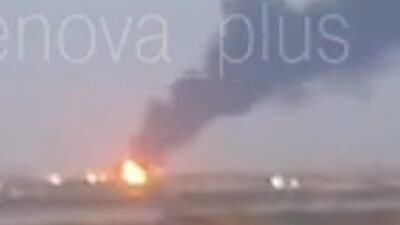
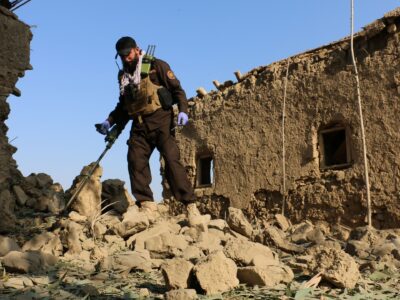
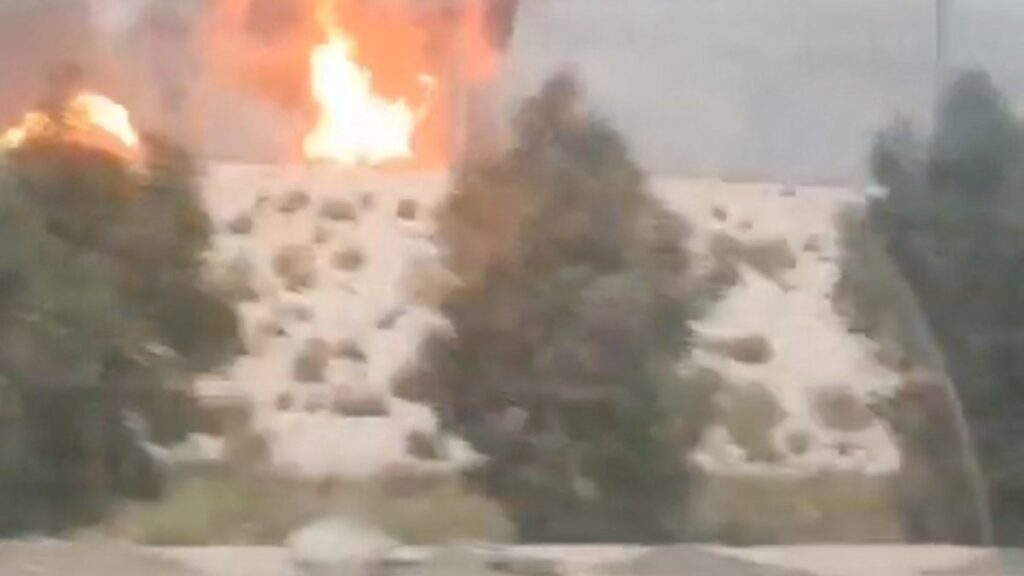
Since the beginning of military action, US and Israeli forces have aimed at a range of military installations, weapons depots, missile sites, and infrastructure related to Iran’s Revolutionary Guard Corps (IRGC) and proxy militias operating primarily in Syria and Iraq. These strikes are designed to blunt Iran’s ability to project power and supply arms to non-state actors that threaten Israel and allied interests.
Key among the targeted locations are weapons production facilities that produce ballistic missiles and precision-guided munitions. By degrading these capabilities, the US and Israel seek to limit Tehran’s ability to launch long-range attacks, especially those targeting Israeli cities and US personnel in the region.
Another dimension of the airstrikes is aimed at intelligence and command-and-control centers used by Iranian forces and their proxies. Disrupting these hubs impairs coordination among militant groups and weakens their operational effectiveness.
Moreover, US and Israeli actions have extended to bombings intended to foment unrest and dissatisfaction within Iran’s spheres of influence by targeting logistical networks that sustain proxy groups. This could slow down recruitment and morale among fighters loyal to Tehran.
While military degradation remains a primary goal, the absence of a decisive move to overthrow the Iranian regime or completely eliminate its influence highlights a calibrated approach. Both the US and Israel appear to be balancing aggressive military pressure with strategic restraint to avoid escalation into a wider regional war.
In the wake of these strikes, Iran’s leadership has issued warnings but has avoided direct confrontation, choosing instead to escalate rhetoric and cyber operations. This indicates a tit-for-tat dynamic where Iran seeks to retaliate through asymmetric means without crossing a threshold that invites full-scale US or Israeli retaliation.
The ongoing campaign underscores the complexity of the conflict with Iran, where the US and allies seek to limit aggression and proxy threats without sparking uncontrollable escalation. The choice of targets reveals a layered set of war aims: military degradation, prevention of missile proliferation, weakening of intelligence networks, and fomenting internal discord among Iran-aligned factions.
As the conflict persists, the situation remains fluid with diplomatic channels still open amidst the destruction. The US and Israel continue to monitor Iran’s responses closely, adapting their military and political strategies accordingly.
This evolving conflict highlights the challenges faced by the US and Israel in countering Iran’s regional ambitions without triggering broader violence, illustrating that the war goals encompass containment and degradation rather than total victory or regime change.