This year’s Eid celebrations in the Middle East have been notably subdued, as economic crises and ongoing conflicts cast long shadows over traditional festivities. In countries such as Iran, Gaza, and Lebanon, the joyful spirit of Eid has been overshadowed by hardship, displacement, and uncertainty.
In Iran, the economic strain has been mounting due to various sanctions and internal pressures. Families that traditionally gather in large numbers for Eid find themselves grappling with soaring prices and limited resources. The cost of basic goods and festive items has surged, forcing many to scale down their celebrations significantly. Despite this, communities strive to maintain the cultural essence of Eid, fostering solidarity through smaller, more intimate gatherings.
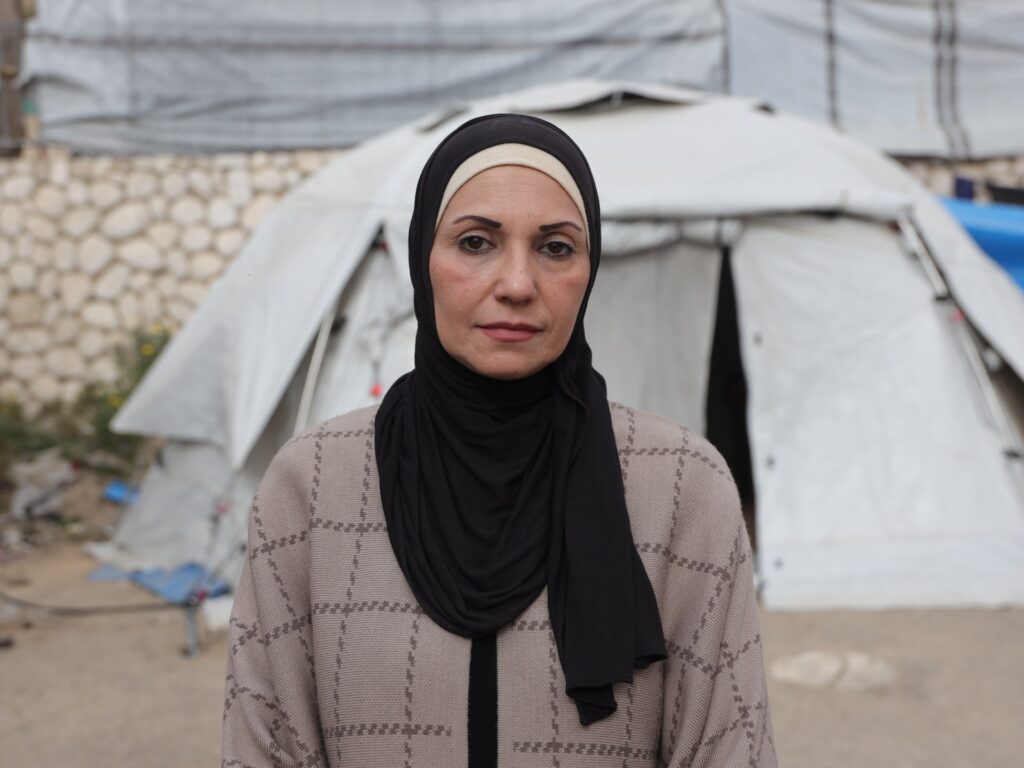
Gaza faces a harsher reality, where the ongoing conflict and blockade have led to widespread displacement and destruction. Many Gaza residents are celebrating Eid in makeshift shelters or overcrowded homes, far from the comfort they once knew. Power outages and shortages of food and medical supplies have dampened the festive atmosphere, turning what should be a time of joy into a period marked by resilience and hope amid adversity.
Lebanon is grappling with a severe economic crisis that has upended daily life across the nation. Inflation has decimated purchasing power, and many families are struggling to afford even the most basic Eid necessities. Coupled with political instability, many Lebanese citizens have chosen to forgo the usual public celebrations and focus on immediate survival needs. Nonetheless, acts of charity and community support have been heightened, reflecting the true spirit of Eid during difficult times.
The overarching theme this year across these regions is one of endurance and adaptation. Despite the challenges, communities are finding ways to honor Eid’s significance through acts of generosity, prayer, and mutual support. Religious leaders emphasize the importance of compassion and unity, encouraging people to look beyond material hardships and focus on spiritual reflection.
The subdued Eid celebrations also highlight the broader implications of regional instability on cultural practices. Traditional markets once bustling with activity see fewer shoppers, and public events are limited due to security concerns. The social fabric that usually strengthens during Eid is under strain, yet the commitment to preserving cultural identity remains strong.
International relief organizations have called for increased humanitarian aid to support displaced populations and those affected by the economic downturns. Their efforts aim to alleviate immediate suffering and help restore a sense of normalcy during religious observances.
As the Middle East navigates these turbulent times, the resilience of its people shines through. The muted Eid celebrations serve as a poignant reminder of the cost of conflict and economic hardship, while also showcasing the enduring spirit of hope, faith, and community that defines the holiday. Many look forward to a future where peace and stability can restore the vibrant and joyous Eids of the past.