For decades, US policies have contributed negatively to environmental health, long before Donald Trump’s administration took office. Environmental advocacy groups have raised concerns and are currently suing the US government over rollbacks in climate change policies, highlighting a continued trend of inadequate environmental protection.
US environmental regulation began in earnest in the 1970s with landmark legislation such as the Clean Air Act and the Clean Water Act. However, despite these initial efforts, subsequent policies often prioritized economic growth and energy development over sustainability and ecological preservation.
Throughout the 1980s and 1990s, industrial expansion and lax enforcement led to increased pollution and habitat destruction. Federal administrations frequently faced criticism for weakening environmental safeguards, which exacerbated climate change and environmental degradation.
In the early 2000s, the US government struggled to balance energy needs with environmental concerns. While some progress was made in renewable energy and emissions reduction programs, coal and fossil fuel industries retained significant influence over policy decisions.
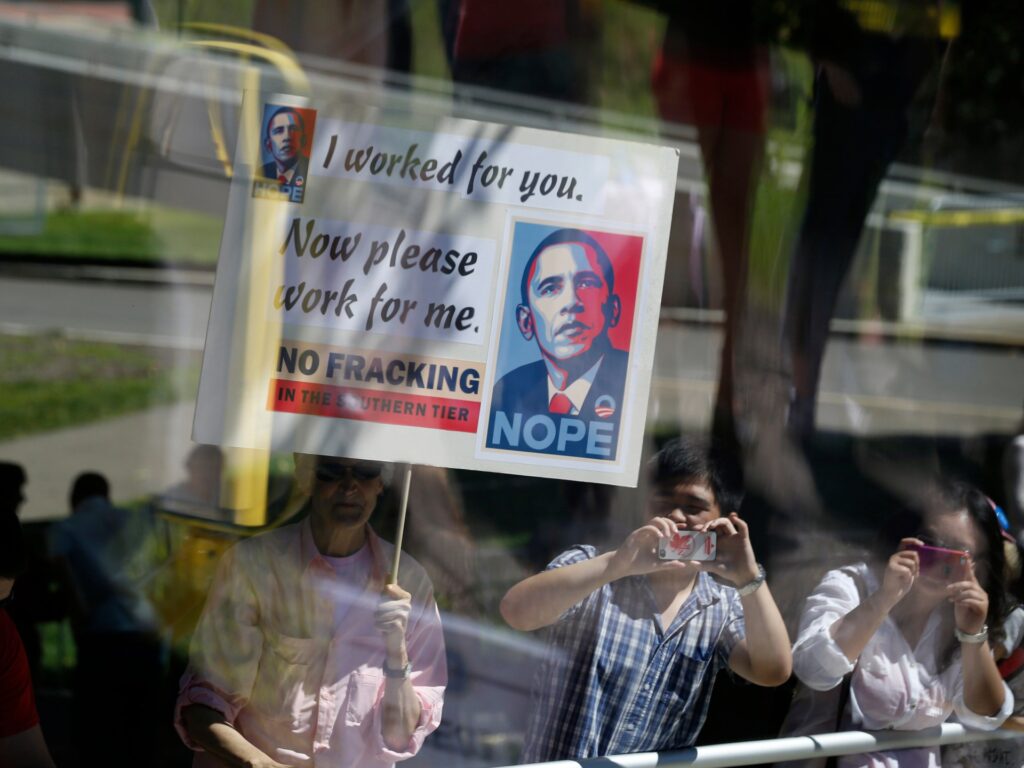
The Obama administration introduced more proactive climate initiatives, including commitments under the Paris Agreement. However, systemic challenges and political opposition limited the extent and longevity of these policies.
When Donald Trump assumed office, he accelerated the rollback of environmental regulations, including the withdrawal from the Paris Agreement and loosening of restrictions on emissions and pollutants. These actions intensified the legal and public backlash from environmental groups.
Currently, these advocacy groups are suing the US government, arguing that the rollbacks violate commitments to combat climate change and protect public health. They contend that the government’s failure to enforce stricter climate policies undermines global efforts to reduce carbon emissions.
The lawsuit reflects broader societal demands for accountability and sustainable governance. It emphasizes the need for comprehensive, long-term strategies that reconcile economic growth with environmental stewardship.
Environmental experts warn that without significant policy reforms, the US risks further contributing to global warming, biodiversity loss, and degradation of natural resources. They advocate for renewed commitments to clean energy, stricter emissions standards, and investment in green technologies.
The history of US environmental policy shows a complex interplay between progress and setbacks. It demonstrates the challenge of maintaining environmental protections in the face of political and economic pressures.
As public awareness and scientific evidence grow, there is increasing pressure on the government to adopt more aggressive climate policies. The outcome of the current legal actions could set important precedents for future environmental governance.
This moment in environmental advocacy marks a critical point in US history. It is a call to acknowledge past failures and commit to a sustainable future. The fight against climate change requires persistent effort, legal action, and political will, transcending any single administration.
In conclusion, while the Trump era highlighted significant policy rollbacks, the roots of US environmental challenges extend far earlier. Understanding this history is essential for addressing the ongoing crisis and fostering a resilient and healthy environment for generations to come.