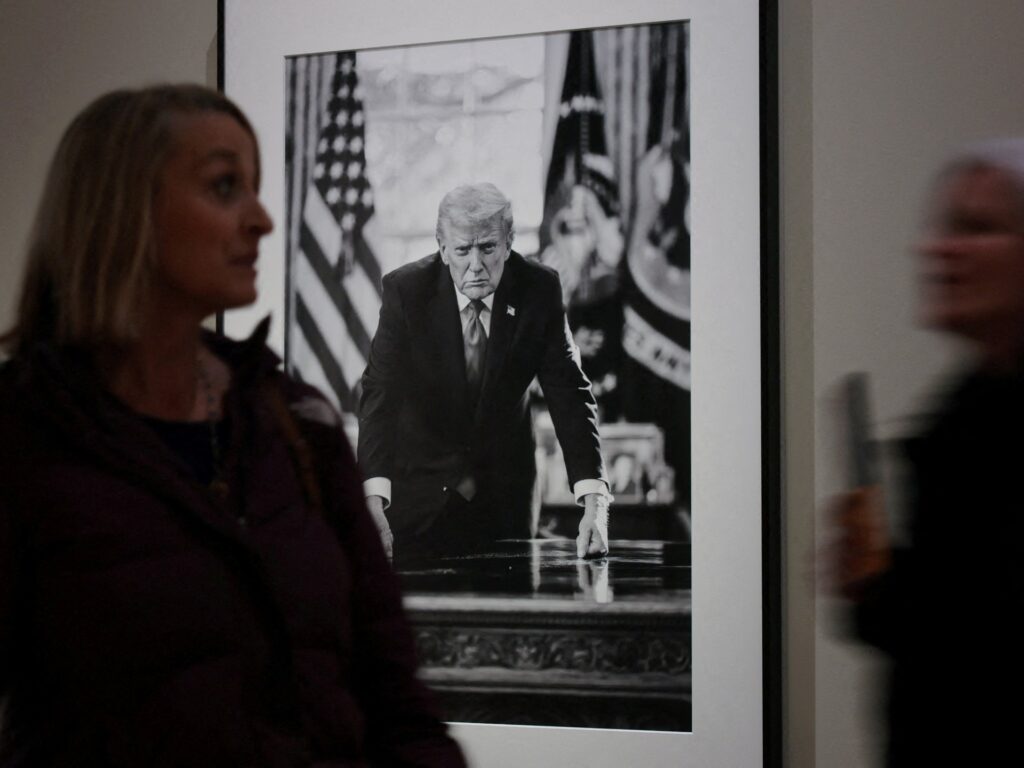
The U.S. Arts Commission recently approved a gold coin stamped with the likeness of former President Donald Trump, sparking considerable attention and controversy. This new coin is part of Trump’s broader initiative to see his image on currency, although his attempts to have his face placed on an official $1 coin have met legal obstacles.
The approved gold coin is a commemorative item reflecting Trump’s ongoing influence and the deep divisions in American political and cultural life. Unlike typical circulating coins, this gold coin is intended as a collector’s piece, adding to the myriad ways Trump’s image has been marketed since his presidency.
This development comes despite federal laws that prohibit the use of the portraits of living persons on U.S. currency, which is a major reason behind the unsuccessful push to feature Trump on the official one-dollar coin. The federal law states that only deceased individuals can be commemorated on circulating currency, aiming to prevent political controversy and maintain a non-partisan stance.
Trump’s supporters have celebrated the new coin as a symbol of his legacy and leadership, while critics argue that such a move blurs the lines between governance and celebrity, potentially undermining the traditional values of national currency.
The gold coin will likely be available through select outlets, catering primarily to collectors and supporters. It represents a significant moment where political figures leverage cultural and economic tools to extend their influence beyond political office.
Experts note that this coin could set a precedent for future commemoratives, potentially opening the door for other living political figures or celebrities to be featured on special edition coins if not strictly regulated.
The Commission’s decision shows a nuanced approach—while officially circulating currency remains regulated, commemorative items have more flexible guidelines. This distinction allows for greater creative expression and commercial opportunity without breaching federal mandates concerning legal tender.
Trump’s push for personalized currency imagery resonates with broader trends in branding and personalization, where public figures use every available avenue to promote their image, ideology, and influence.
While this gold coin is unlikely to circulate as standard money, its symbolic value underscores the growing fusion between politics, culture, and commerce. It also highlights ongoing debates about the role of former presidents in American society and the ways they seek to maintain public visibility.
Collectors and political observers will be watching closely to see how this new coin is received in public and the market, as well as the potential legal and political challenges it might inspire moving forward.
This episode contributes to a larger conversation about the representation of political figures in art, media, and commercial products, calling attention to the evolving dynamics of political iconography in contemporary America.