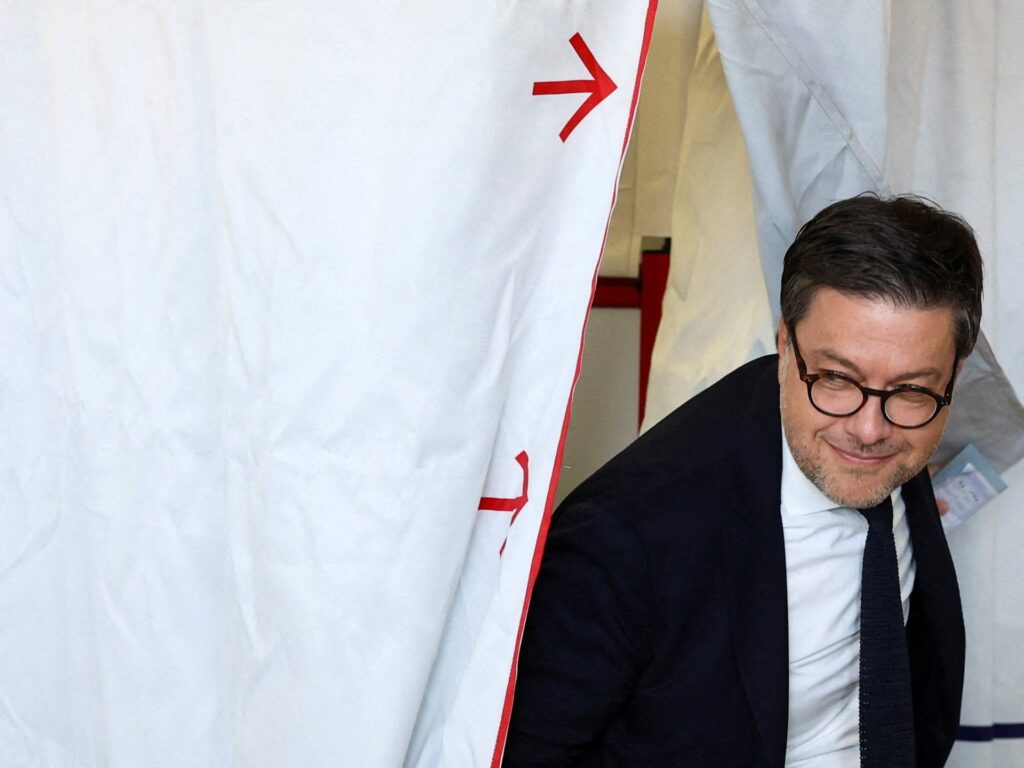
As France gears up for its highly anticipated presidential election next year, a significant political development is unfolding in the local elections underway this weekend. The results so far suggest a fractured political landscape with the potential for far-reaching consequences at both the local and national levels.
Among the most pressing concerns emerging from these elections is the possibility that key French cities may soon be governed by far-right mayors. This shift could have profound implications for the country’s political direction, social cohesion, and policy priorities.
Historically, French local elections have served as a bellwether for the national political climate. The local governance of major cities typically reflects broader currents in voter sentiment, often providing early signals about the prospects of various parties in presidential elections. This year, indications are that traditional political forces are facing unprecedented challenges.
Several major cities have seen surges in support for far-right candidates, a phenomenon that analysts attribute to growing public disenchantment with established parties and concerns over issues like immigration, security, and economic inequality. The far-right’s messaging, which emphasizes national identity and law-and-order policies, resonates with segments of the electorate worried about cultural change and social stability.
The local elections have revealed a fragmented political arena, with centrist and left-wing parties struggling to maintain their foothold amid rising far-right momentum. This fragmentation complicates coalition-building and governance, potentially leading to political stalemates or the ascendance of more radical platforms.
Critics warn that the election of far-right mayors could exacerbate social divisions and lead to policies that marginalize certain communities. There is also concern about how such a shift could influence France’s approach to immigration, integration, and relations with the European Union.
Supporters of the far-right argue that their rise is a democratic response to unmet needs and frustrations among voters. They claim that their proposed policies reflect the genuine concerns of ordinary citizens about security, economic opportunity, and national pride.
The local elections thus serve as a crucial prelude to the presidential race, setting the stage for the intense political battles ahead. The outcomes over the weekend could reshape France’s political map and signal a new era in its domestic politics.
As the country awaits the final results, political analysts and citizens alike are bracing for what some describe as ‘unpleasant surprises’ that could challenge longstanding political norms and redefine the future of governance in France.
In conclusion, the ongoing local elections emphasize the volatile nature of French politics today. Key cities may soon be under far-right leadership, reflecting deep-seated societal changes and a shifting political mood. These developments urge voters and politicians to carefully consider the broader implications as France prepares for its crucial presidential election.