The ongoing conflict between the US-Israel coalition and Iran has entered its 20th day, marking a critical phase in the escalating war. Recent attacks have specifically targeted energy infrastructure across the Middle East, further destabilizing the region and raising global concerns about energy security and geopolitical stability.
The conflict ignited several weeks ago with heightened tensions over Iran’s nuclear ambitions and regional influence. Israel, backed by the United States, initiated a series of strategic strikes against Iranian military installations and nuclear sites. In retaliation, Iran has launched missile attacks and drone strikes aimed at Israeli and allied assets.
As the war unfolds into its third week, both sides have intensified their military campaigns, directing significant efforts towards crippling each other’s energy capabilities. Iranian forces have targeted critical oil pipelines and refineries in the region, leading to surges in oil prices worldwide. Similarly, Israeli attacks have focused on undermining Iran’s ability to sustain its military logistics through strikes on fuel depots and transport routes.
These attacks have extended beyond Iran and Israel, impacting neighboring countries and international shipping lanes vital for global oil shipments. The Strait of Hormuz, a strategic chokepoint for global oil supply, has seen increased military activity, raising fears of broader regional conflict.
International efforts to mediate the conflict have so far been unsuccessful, with diplomatic talks hindered by deep mistrust and competing objectives. The United Nations has called for an immediate ceasefire to prevent further escalation, emphasizing the humanitarian toll of the conflict on civilian populations.
Energy markets have been volatile, with sharp increases in petroleum prices reflecting concerns about supply disruptions. Countries dependent on Middle Eastern oil are exploring alternative energy sources and accelerating strategic reserves replenishment.
The conflict’s longevity raises concerns about potential expansion to other regional actors, including Hezbollah and militias aligned with Iran, potentially drawing in more countries and complicating the already volatile geopolitical landscape.
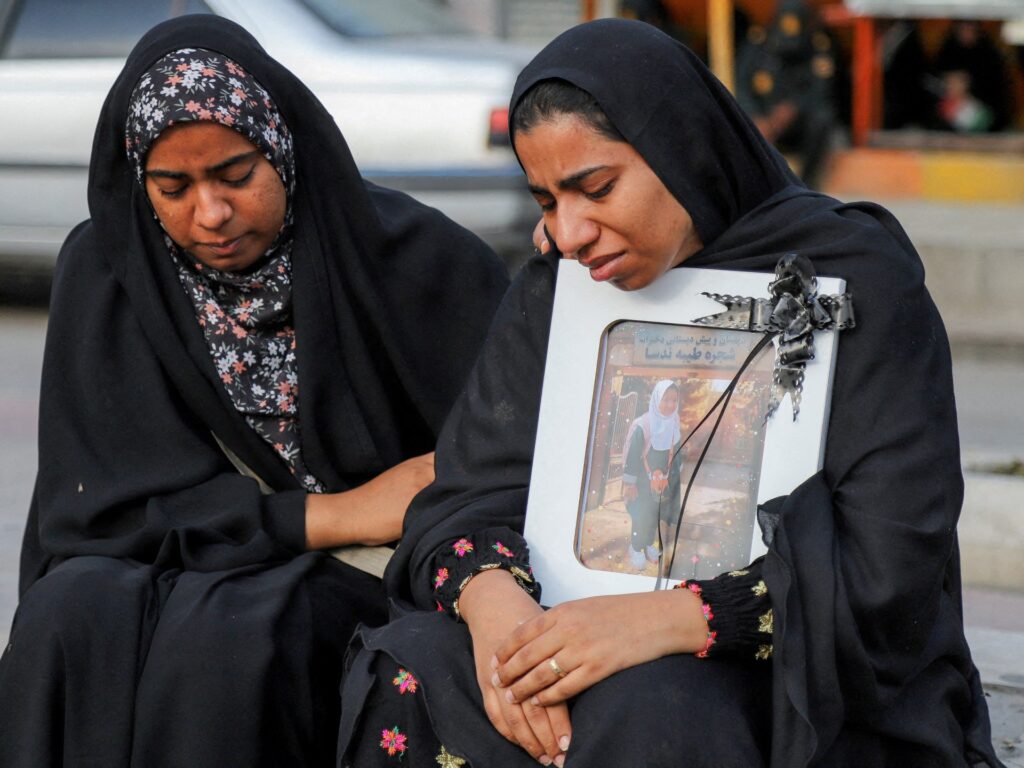
Humanitarian organizations have reported increased casualties and displacement, with civilians bearing the brunt of ongoing hostilities. Aid delivery remains challenging due to security concerns and damaged infrastructure.
Military analysts highlight the sophisticated tactics employed by both sides, including cyberattacks targeting critical infrastructure and misinformation campaigns aimed at influencing international opinion.
Looking forward, the trajectory of the conflict remains uncertain. Continued strikes on energy infrastructure could lead to long-term economic damage regionally and globally. The international community’s role in facilitating dialogue and de-escalation remains crucial to prevent a full-scale war.
In summary, day 20 of the US-Israel attacks on Iran marks a critical juncture characterized by intensified strikes on energy infrastructure, escalating military engagements, and rising global economic and humanitarian concerns. The situation demands urgent diplomatic intervention to halt the spiral of violence and promote stability in the Middle East.