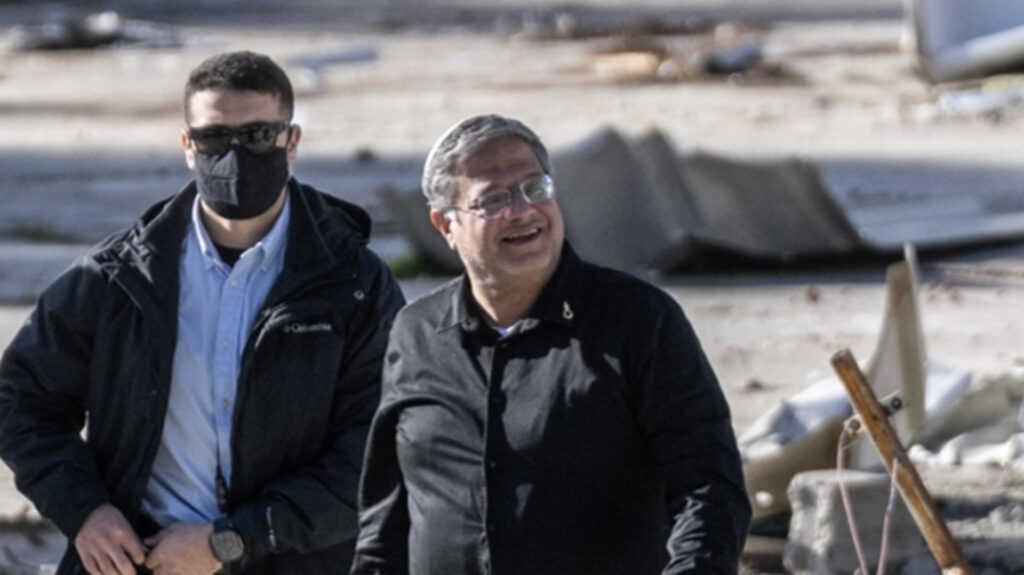
Amidst ongoing debates in Israel concerning law and security measures, National Security Minister Itamar Ben-Gvir made a controversial visit to a gallows museum, where he recorded a video that has since stirred significant public and political reactions. In this video, Ben-Gvir stood in front of the gallows and explicitly endorsed the use of the death penalty, a proposal that has been both supported and opposed across different sectors of Israeli society.
The visit underscores a hardline stance by Ben-Gvir on criminal justice and national security issues. His call for the death penalty comes at a time when Israel faces intense security threats and societal divisions. Advocates for the death penalty argue that it serves as a deterrent to severe crimes and is a necessary tool to combat terrorism. Critics, however, highlight the ethical dilemmas, risks of irreversible miscarriages of justice, and argue that such measures may escalate tensions rather than resolve underlying conflicts.
Ben-Gvir’s position is particularly noteworthy given his influential role as National Security Minister, where his policies and rhetoric can significantly impact the country’s approach to law enforcement and civil rights. Israel currently does not implement the death penalty broadly, with the exception of rare cases, such as wartime crimes. Introducing or expanding capital punishment could lead to extensive legal reforms and intense public debate.
The visit to the gallows museum has sparked a polarized response. Supporters laud Ben-Gvir’s determination to strengthen security and justice, asserting that severe penalties could dissuade violent acts. Meanwhile, opponents warn that such rhetoric fuels division, undermines democratic principles, and risks alienating certain communities.
Experts in law and human rights caution that any move toward capital punishment requires careful consideration of international laws and Israel’s obligations under human rights conventions. Further, the debate touches upon sensitive issues of morality, justice, and the balance between security and civil liberties.
As Israel grapples with these complex issues, Ben-Gvir’s visit and statements serve as a catalyst for national reflection on the future of the country’s legal and security strategies. The government may face pressure both domestically and internationally to respond to calls for death penalty reform, while also managing the broader quest for peace and stability in the region.
The coming months will likely see heated discussions within the Knesset, among legal experts, human rights advocates, and the public, as the nation seeks to navigate these challenging questions. Ben-Gvir’s gallows museum visit thus highlights the deep divisions and the enduring challenges facing Israeli society concerning justice, security, and human rights.