Qatar has taken a decisive diplomatic step by expelling Iranian military and security attaches in response to a recent missile strike that caused extensive damage to the Ras Laffan Liquefied Natural Gas (LNG) facility. The targeted missile attack, traced back to Iran, has intensified regional tensions in the already sensitive Gulf area.
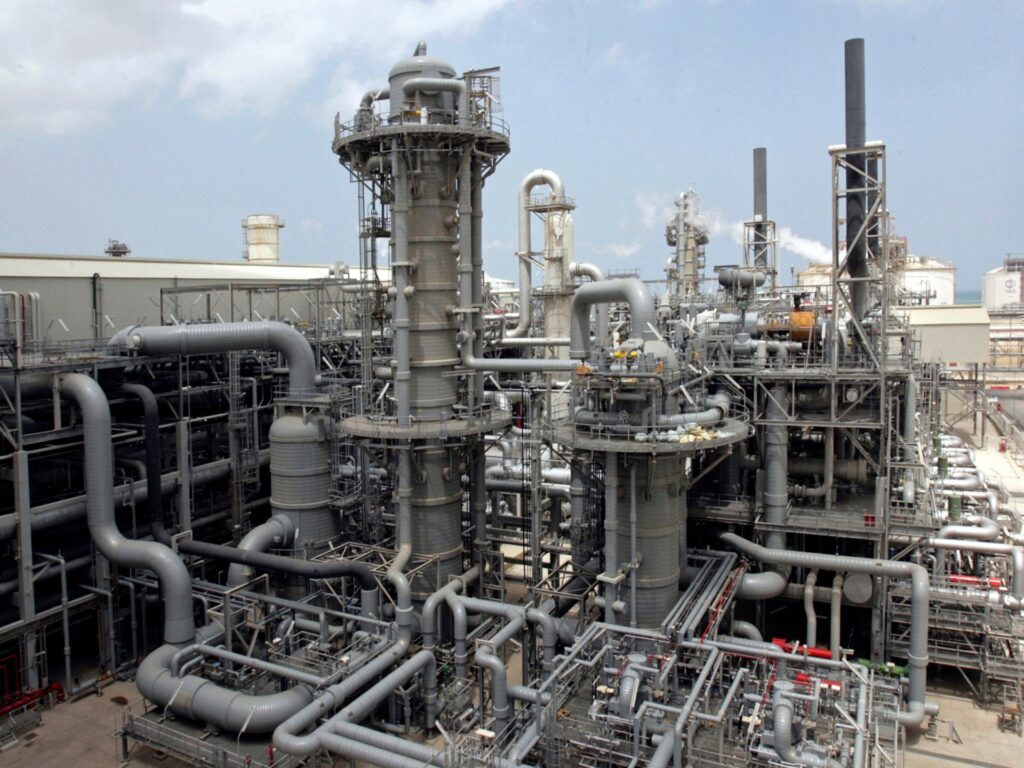
The Ras Laffan industrial city is home to one of the world’s largest LNG production facilities, making it a vital hub for energy exports and a critical component of Qatar’s economy. The missile strike inflicted significant damage on the facility’s infrastructure, disrupting operations and raising concerns about energy security in the global market.
In a statement from the Qatari government, authorities condemned the attack as a serious violation of its sovereignty and a direct threat to regional stability. The decision to expel Iranian military and security attaches highlights Qatar’s firm stance against acts that jeopardize its national security and economic interests.
This move also signals a broader geopolitical shift amid escalating tensions between Gulf nations and Iran. Qatar, strategically positioned in the Gulf, has often navigated a complex diplomatic landscape, balancing relations with neighboring countries and global powers.
The missile strikes came amid ongoing conflicts and proxy fighting in the region, where Iran has been accused of supporting militant groups and using military tactics to assert its influence. Qatar’s response underscores its resolve to safeguard critical infrastructure and uphold territorial sovereignty.
International reactions have been mixed, with some countries expressing support for Qatar’s right to defend its territory and others calling for restraint and diplomatic dialogue to prevent further escalation. The incident is expected to influence future security protocols in the Gulf and may prompt international stakeholders to reassess their strategies in the region.
Qatar’s energy sector, heavily reliant on the safety and functionality of the Ras Laffan facilities, faces potential economic repercussions from the disruption. Repair and security enhancement efforts are underway, although the full extent and timeline for recovery remain uncertain.
Analysts warn that the attack could exacerbate existing geopolitical divides, possibly leading to increased militarization and standoff scenarios. Meanwhile, diplomatic channels remain critical in de-escalating tensions and ensuring the protection of vital energy infrastructure.
The expulsion of Iranian attaches marks a significant escalation in diplomatic measures that could redefine Qatar-Iran relations. Observers will be watching closely to see how Tehran responds and what implications this has for regional peace and security.
Both nations have a history of complex interactions, with Qatar sometimes serving as a mediator in regional disputes. This development, however, signals a shift toward a more confrontational posture, emphasizing sovereignty and security.
As the situation unfolds, Qatar is likely to strengthen its alliances with other Gulf Cooperation Council (GCC) members and international partners to enhance collective security and prevent similar incidents.
The incident at Ras Laffan and Qatar’s subsequent actions highlight the fragile nature of peace in the Gulf and the ever-present risks facing crucial energy infrastructure amid geopolitical conflict.
Continuous monitoring and proactive diplomatic engagement will be essential to manage the fallout and stabilize the region moving forward.