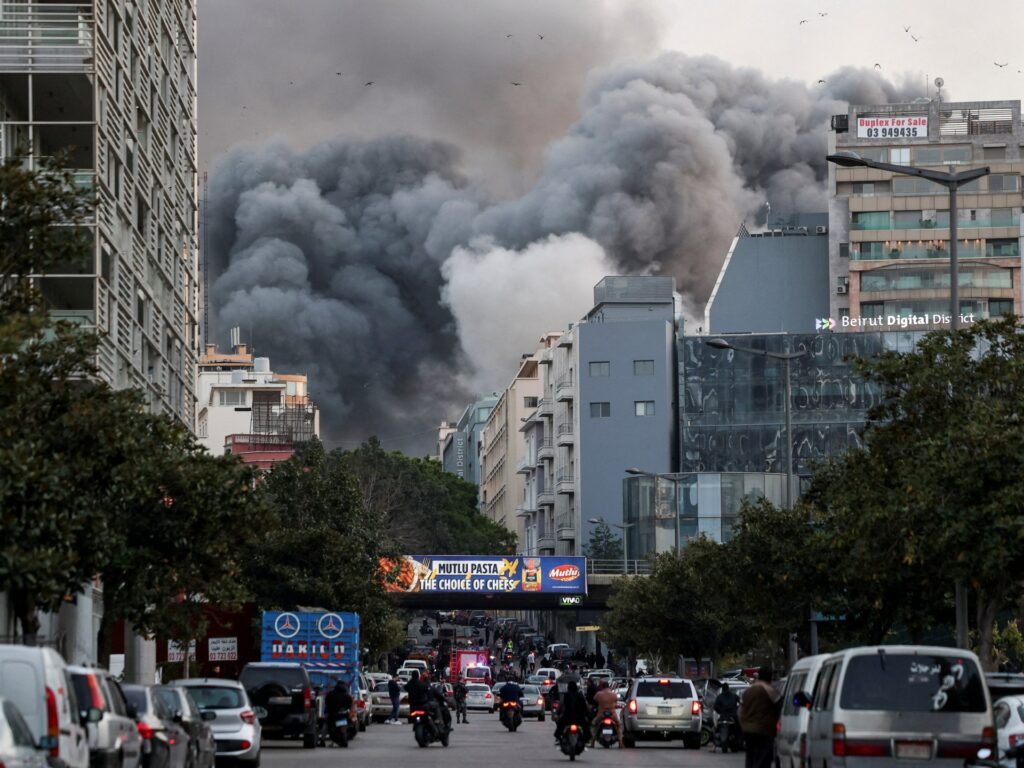
The ongoing conflict in the Middle East has taken a concerning turn as Iranian forces have launched attacks on energy sites in Qatar and Saudi Arabia. This escalation follows a series of retaliatory strikes between Iran and Israel, intensifying regional instability.
Recent developments saw Iran targeting key energy infrastructure in Qatar and Saudi Arabia. These attacks are perceived as a direct response to Israeli assaults on Iran’s vital South Pars gas field and its naval installations in the northern region. The targeting of energy facilities highlights the strategic importance of energy resources in the conflict and raises fears of potential disruptions to the global energy supply chain.
Saudi Arabia has reacted strongly to the attacks on its energy sites, with Riyadh declaring that trust in the Tehran government has been irrevocably broken. The Saudi government has accused Iran of attempting to destabilize the region further and jeopardize international energy markets.
The South Pars gas field, located in the Persian Gulf, is one of the world’s largest gas condensate fields and is crucial to Iran’s economy. Israel’s earlier strikes on this site and its naval assets were part of a broader campaign to limit Iran’s military capabilities and influence in the region.
The reciprocal nature of the strikes underscores a dangerous cycle of military confrontations between Tehran and Tel Aviv, with Gulf states caught in the middle. Qatar and Saudi Arabia, significant players in the global energy market, now face increased risk of conflict spillover, which could have significant consequences for international energy prices and security.
Analysts fear that the attacks might provoke further military responses from the Gulf Cooperation Council (GCC) countries and their allies, potentially escalating the situation into a broader regional conflict. The United States and other global powers have voiced concern over the escalation and called for diplomatic efforts to de-escalate tensions.
The attacks also raise questions about the security measures at critical energy infrastructure throughout the Middle East, highlighting vulnerabilities that could be exploited amidst ongoing geopolitical conflicts.
As the conflict continues to evolve, there is a growing call from the international community for restraint and dialogue to prevent further deterioration of the security environment in the Gulf region. The unfolding situation remains fluid, with global markets and governments closely monitoring developments.
In summary, the recent Iranian strikes on Qatar and Saudi Arabia’s energy sites represent a significant escalation in the Middle East conflict, following Israeli attacks on Iran’s South Pars gas field and naval assets. The fallout has shattered trust between Riyadh and Tehran, threatening regional stability and international energy security.