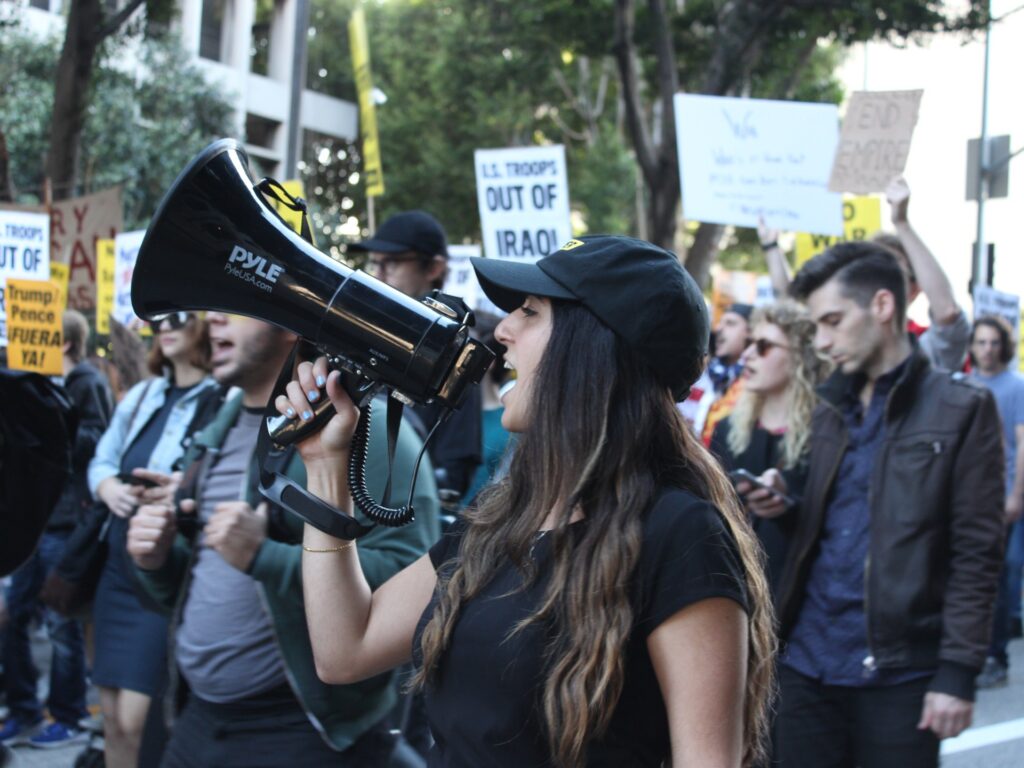
Los Angeles, home to one of the largest Iranian diasporas outside Iran, finds its community sharply divided amid escalating tensions between the US, Israel, and Iran. The region’s Iranians are grappling with conflicting loyalties and the impact of foreign policy decisions on their lives and loved ones back home.
The US and Israeli governments have intensified efforts against Iran, including economic sanctions and military posturing, under the banner of halting Iran’s nuclear ambitions and regional influence. This geopolitical conflict resonates deeply within the Iranian community in Los Angeles, a city often referred to as ‘Tehrangeles’ because of its vibrant and extensive Iranian population.
Among the diaspora, opinions vary widely. Some support the US and Israeli stance, viewing it as a necessary action to curb what they perceive as Iran’s oppressive regime and its destabilizing role in the Middle East. These individuals often advocate for stronger measures, claiming it could eventually lead to political change in Iran.
Conversely, many Iranian residents oppose the war rhetoric and military interventions, fearing that such actions will worsen the suffering of ordinary Iranians. They stress the human cost of conflict, worrying about the safety of family members still living in Iran and the broader implications for peace and stability.
Community organizations in Los Angeles are working to navigate these complexities. Religious and cultural centers provide venues for dialogue, aiming to bridge divisions among Iranians with differing perspectives. They emphasize solidarity, cultural preservation, and the importance of dialogue over conflict.
The fear of repercussions extends beyond ideological divides. Many Iranian-Americans are concerned about the potential rise in hate crimes and discrimination following the heightened tensions. The community has experienced instances of xenophobia and misunderstanding that exacerbate their already fraught position.
Beyond politics, the diaspora also mobilizes humanitarian aid, sending medical supplies and financial support to relatives affected by sanctions and internal unrest in Iran. These efforts highlight the community’s enduring ties to their homeland despite differing views on foreign policy.
Experts note that the community’s divisions reflect broader challenges faced by diasporas worldwide when global conflicts touch on their countries of origin. Navigating identity, loyalty, and political expression becomes increasingly complex in times of international crisis.
Ultimately, Los Angeles’s Iranian diaspora represents a microcosm of the wider global Iranian community. Their experiences underscore the human dimension of geopolitical strife — a blend of fear, hope, resistance, and resilience in the face of uncertainty.
As tensions continue to evolve, the community’s response will likely adapt, shaped by ongoing developments and the ever-present desire to protect loved ones while advocating for peace and justice.