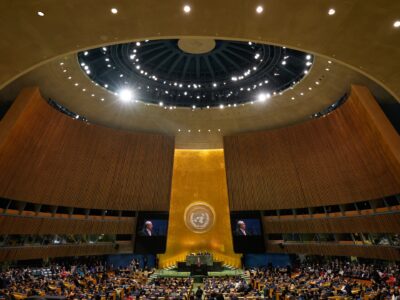
Dubai and the broader United Arab Emirates (UAE) region are significantly affected by the geopolitical tensions stemming from Iran’s attacks and the ongoing US-Israeli war. As a strategic hub for commerce, tourism, and finance in the Middle East, Dubai’s economy and security are highly sensitive to regional conflicts.
Firstly, the economic implications are substantial. Dubai relies heavily on trade and tourism, sectors vulnerable to instability in the region. Heightened tensions often lead to reduced air traffic and shipping routes due to security concerns, disrupting supply chains and increasing operational costs for businesses. The potential threat to energy supplies also impacts the UAE, as fluctuations in oil prices influence government revenues and market stability.
Security concerns have escalated with the increased risk of missile and drone attacks originating from Iran or allied groups. Dubai and other emirates have ramped up their defensive measures, investing in missile defense systems and enhancing intelligence cooperation. These efforts, while necessary, add to national expenditure and bring a sense of uncertainty to residents and investors.
Diplomatically, the UAE finds itself navigating a complex landscape. Traditionally maintaining cordial relations with Iran, the UAE is now recalibrating its foreign policy to balance its ties with Western allies, particularly the US, against regional security threats. This balancing act affects diplomatic engagements and economic partnerships across the Middle East.
Furthermore, the conflict has a social impact, with communities in the UAE comprising diverse ethnic backgrounds, including significant Iranian and Palestinian diasporas. Rising tensions may increase social strain, requiring government efforts to maintain harmony and prevent the spillover of conflicts.
In summary, the Iran attacks and the US-Israeli war pose multifaceted challenges to Dubai and the UAE, influencing economic stability, security measures, diplomatic relations, and social cohesion. The UAE continues to adopt strategic policies to mitigate these impacts while reinforcing its role as a resilient and stable regional player.