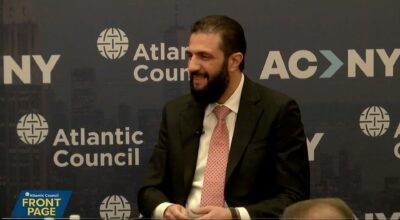
Joe Kent, the US counterterrorism chief, has resigned from his position due to his opposition to Washington’s war on Iran. Kent expressed that he could not support the conflict, highlighting deep disagreements within the US government over its military and strategic approach toward Iran. His resignation draws attention to the controversial nature of the US-Iran conflict and signals internal dissent at senior levels of the US security apparatus. Kent’s departure underscores the complex and contentious debates about US foreign policy in the Middle East, particularly around military engagement and its broader implications for regional stability and international relations. Analysts suggest that such resignations could impact the morale and cohesion of US counterterrorism and defense agencies, reflecting broader concerns about the efficacy and consequences of the current strategy toward Iran. This incident may also prompt a reevaluation of the US’s approach in the region, as policymakers confront the challenges posed by protracted conflict and its human, political, and economic costs. Kent’s principled stand is seen by supporters as a courageous opposition to what they view as an unnecessary and escalatory conflict, while critics argue it may undermine US efforts to maintain security and counterterrorism objectives. Overall, the resignation highlights the tensions inherent in managing foreign policy in a complex and volatile environment, and it raises questions about the sustainability of current US strategies in the Middle East.