Cuba is gradually restoring power after experiencing a complete nationwide blackout on Monday, which underscored the depth of the island’s ongoing energy crisis. The grid collapse has severely impacted daily life, highlighting the vulnerabilities in Cuba’s electrical infrastructure amid prolonged economic challenges and persistent external pressures.
The blackout occurred after an equipment failure in the electrical grid, triggering a cascading failure that left the entire country without power. This unprecedented outage affected critical services including hospitals, transportation, communications, and water supply, creating widespread disruption for Cuba’s population.
Cuba’s energy crisis is deeply intertwined with restrictions imposed by the United States. The longstanding US embargo and specific sanctions on oil imports have constrained Cuba’s ability to secure adequate fuel supplies. Since Cuba relies heavily on imported oil for electricity generation, continued US sanctions have exacerbated fuel shortages, limiting the operational capacity of Cuba’s power plants.
Following the blackout, Cuban authorities have prioritized restoring electricity to key infrastructure and urban centers. Power is now returning gradually across provinces, but officials warn that full restoration could take several days. The government has called for citizens to conserve energy and prepare for possible intermittent outages as the grid stabilizes.
Analysts point to aging power plants and inadequate investment in infrastructure as critical factors behind the fragility of Cuba’s electricity system. The country’s energy sector has suffered from lack of modernization, with much of its equipment outdated and inefficient. Maintenance challenges and limited access to replacement parts due to sanctions further compound the issues.
The crisis also reflects broader economic difficulties faced by Cuba amid reduced tourism and limited foreign income, which have reduced the government’s ability to import fuel and invest in energy infrastructure. The COVID-19 pandemic and global economic shifts have further strained the island’s limited resources.
In recent years, Cuba has attempted to diversify its energy mix by increasing renewable energy sources such as wind and solar. However, these efforts have yet to offset the heavy reliance on fossil fuels, especially oil, for reliable electricity provision.
The US government maintains its embargo citing political and ideological differences but some argue that easing restrictions on oil imports could alleviate Cuba’s suffering. Humanitarian groups have called for exceptions to allow fuel shipments to support essential services during crises like the blackout.
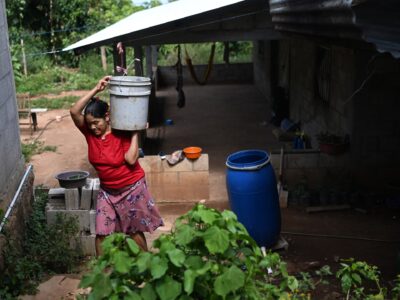
Meanwhile, Cuban citizens face the daily challenge of managing without power, with impacts on health, safety, and economic activity. The blackout has intensified public frustration and highlighted the island’s urgent need for sustainable energy solutions.
As power returns, attention turns to both short-term recovery and long-term reforms in Cuba’s energy sector. Increased international cooperation and investment could play a role in enhancing Cuba’s energy resilience.
In sum, Cuba’s nationwide blackout is a symptom of deeper structural issues, exacerbated by international sanctions and domestic economic struggles. Addressing these challenges requires coordinated efforts to improve infrastructure, secure fuel supplies, and expand renewable energy to ensure reliable electricity for Cuba’s future.