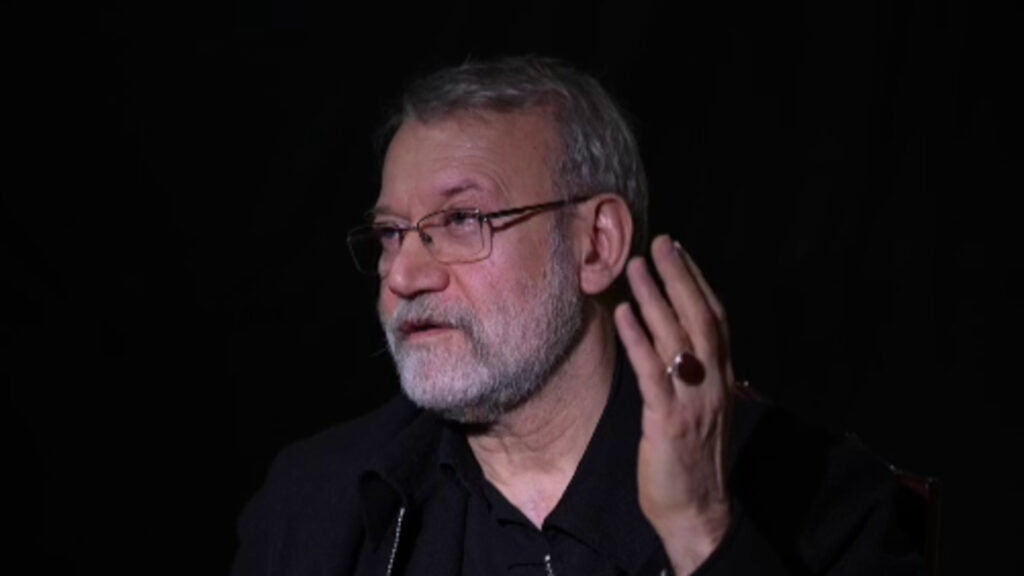
Ali Larijani, the late secretary of Iran’s Supreme National Security Council (SNSC), issued a stark warning to the United States and Israel prior to his assassination. Larijani emphasized that any move to kill Iranian leaders would not weaken Iran but rather strengthen the country’s resolve and unity.
Throughout his tenure, Larijani was a prominent figure in Iranian politics, known for his steadfast defense of the nation’s sovereignty and heightened national security. His recent warning served as a clear message to adversaries that attempts to destabilize Iran through targeted assassinations would backfire.
He articulated that such actions by the US or Israel would not only fail to demoralize the Iranian leadership but would instead galvanize the population against external threats. Larijani’s statement reflected a broader sentiment within Iran’s political and security apparatus that external aggression only leads to increased solidarity and resistance.
The late secretary’s remarks came amid heightened tensions in the Middle East, where Iran’s strategic position and influential role often place it at odds with both the US and Israeli governments. His warning was seen as an effort to deter potential assassination plots and to underscore Iran’s readiness to retaliate against threats to its leaders.
Larijani’s assassination marked a significant moment, as it tested the resilience of Iran’s leadership and the effectiveness of its security framework. Despite his death, the warning he delivered resonated strongly across the country, uniting various factions and reinforcing the idea that Iran’s leadership could not be easily undermined.
Experts note that Larijani’s statement aligns with Iran’s historical stance that martyrdom and sacrifice in the face of foreign aggression serve to strengthen national identity and political resolve. This perspective has been a cornerstone of Iran’s response to years of external pressure and sanctions.
In the wake of Larijani’s assassination, Iranian officials have reiterated their commitment to protecting their leaders and maintaining national security. The message is clear: attempts to weaken Iran through violence will only lead to a more determined and united nation.
Furthermore, Larijani’s warning highlighted the complex dynamics of regional politics, where power struggles and interventions by foreign powers often escalate conflicts. His call for unity serves as a reminder that Iran views its leadership’s security as paramount to regional stability.
In conclusion, Ali Larijani’s warning stands as a testament to the resilience of Iran in the face of external threats. His message to the US and Israel was unequivocal: the assassination of leaders will not weaken Iran, but instead, fortify its national strength and resolve.