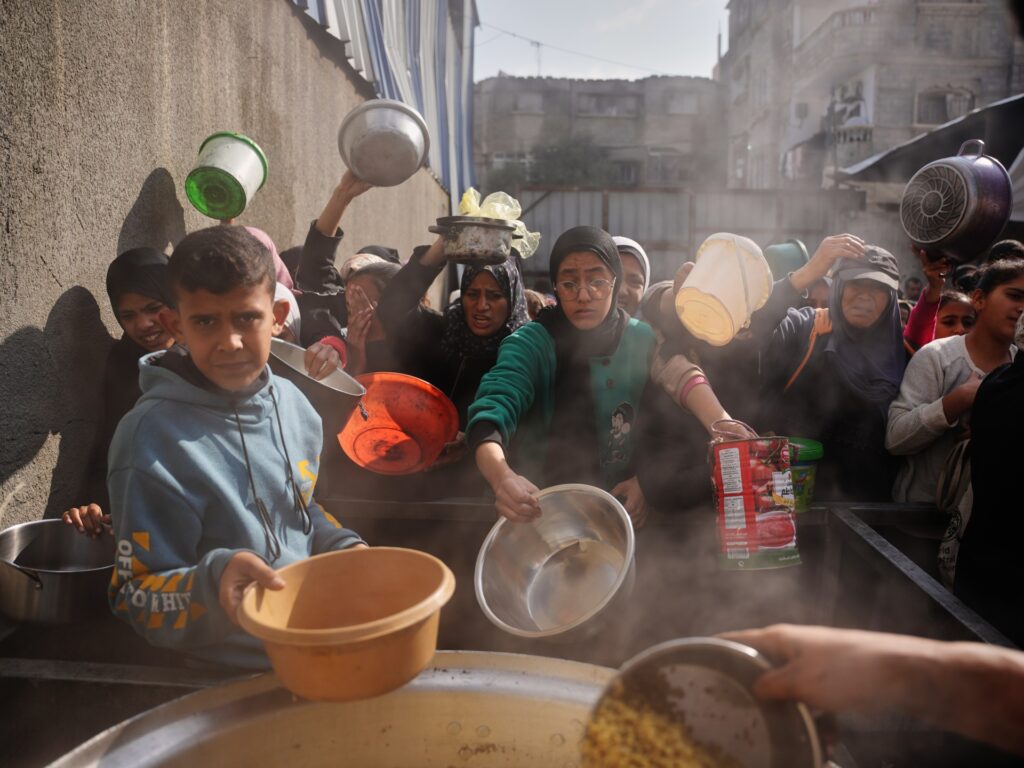
The ongoing conflict in the Middle East, particularly the war involving Iran, poses a dire threat to global food security, according to the United Nations’ World Food Programme (WFP). The WFP has issued a stark warning that the continuation of the Iran war could push an additional 45 million people into acute hunger, exacerbating an already critical global crisis.
This alarming projection emerges from the escalating violence and disruption in the region, which is deeply intertwined with global food supply chains and humanitarian aid routes. The Middle East conflict has not only destabilized local economies and agricultural production but also disrupted international aid efforts crucial for feeding vulnerable populations.
The current scale of hunger worldwide is unprecedented, and the addition of millions more facing acute food insecurity could have devastating consequences for global health, stability, and development. The WFP emphasizes that immediate international attention and coordinated efforts are vital to preventing a humanitarian catastrophe of historic proportions.
The conflict has led to increased displacement, damaged infrastructure, and limited access to essential resources like water and food. These factors contribute directly to food shortages and worsen malnutrition, particularly among children, women, and the elderly—groups most vulnerable to food crises.
Moreover, the war’s ripple effects are felt far beyond the Middle East. Global markets have experienced volatility in food prices, affecting millions in low- and middle-income countries already struggling with inflation and supply chain disruptions. The conflict threatens to strain these economies further, pushing more people into hunger.
Humanitarian organizations warn that without an immediate ceasefire and renewed peace efforts, food crises will deepen, and the risk of famine will spread. International aid agencies face growing challenges in delivering assistance due to security concerns and logistical barriers in conflict zones.
The United Nations calls for urgent diplomatic action to de-escalate tensions and protect critical infrastructure related to food supply. It is imperative to safeguard humanitarian corridors that allow essential aid to reach starving communities safely.
Experts also stress the importance of sustained global support for food programs that address both immediate needs and long-term food security. Investments in agriculture, resilience-building, and emergency preparedness are crucial to mitigate the impact of conflicts on hunger.
Public awareness and advocacy play a central role in mobilizing resources and political will to address this crisis. The international community must recognize the interconnectedness of conflict and hunger and work collaboratively to find peaceful solutions.
In summary, the UN’s World Food Programme’s warning shines a light on a growing humanitarian emergency fueled by the Iran war. The potential addition of 45 million people to the ranks of the acutely hungry demands swift and comprehensive responses to avert widespread suffering and loss of life. The time to act is now, with global solidarity and commitment to peace and food security as guiding principles.