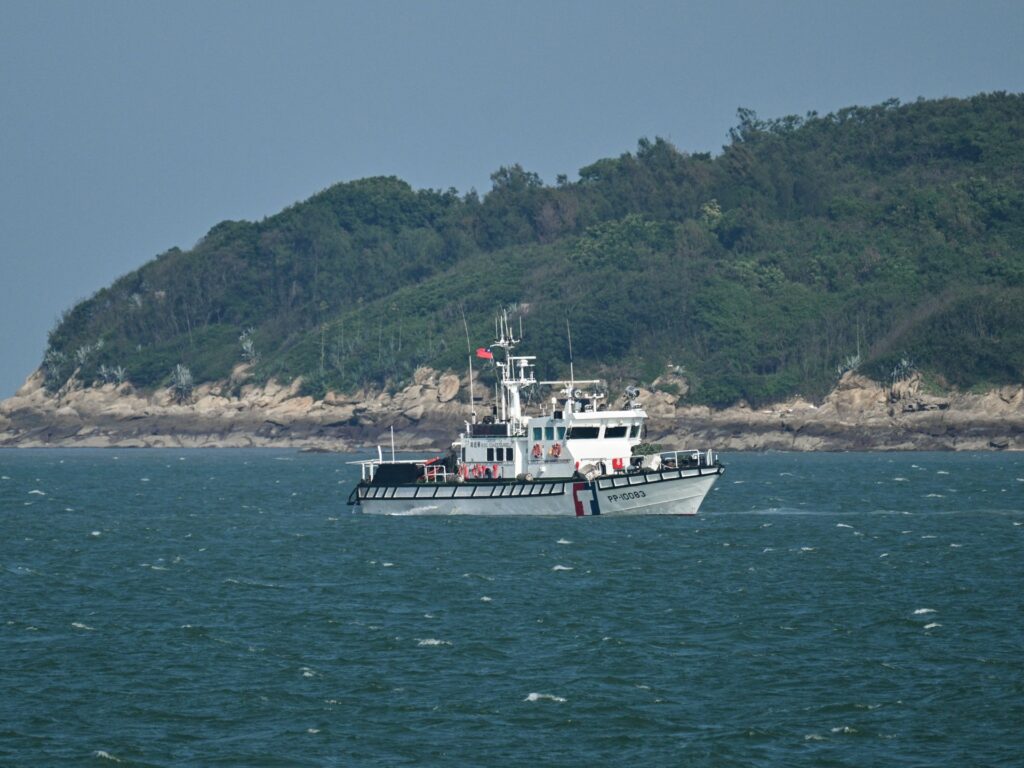
In a recent development, Taiwan has reported the sighting of a second Chinese ‘joint combat readiness patrol’ near its islands within the span of one week. Taiwan’s military authorities have described the Chinese patrol as ‘unprovoked,’ highlighting increased tensions in the region.
The Taiwanese defense forces have been closely monitoring the situation and have responded accordingly to ensure the security and sovereignty of the island. This marks a continuation of heightened military activities by China near Taiwan’s territory.
The ‘joint combat readiness patrols’ are understood to be coordinated maneuvers by the Chinese military aimed at demonstrating capability and readiness. These patrols often involve multiple branches of the Chinese armed forces operating in unison to simulate combat scenarios.
Taiwan’s government has expressed concern over the repeated incursions, viewing them as intimidation tactics that threaten regional stability. Officials have reiterated their commitment to defending their island against any unauthorized military actions.
International observers have noted that these patrols signal ongoing geopolitical friction between China and Taiwan, with potential implications for security across the Asia-Pacific. Taiwan’s strategic location and its democratic governance system remain critical factors in the broader contest for influence in the region.
Taiwan’s response to the recent patrol involved a heightened state of alert and increased surveillance measures. The island’s defense forces employed radar and reconnaissance assets to track the Chinese military movements closely.
This incident adds to a series of similar encounters that have raised alarm internationally, prompting calls for dialogue and restraint from both sides. Analysts suggest that such maneuvers could be Beijing’s way of asserting claims over Taiwan and testing reactions from Taipei and its allies.
Overall, Taiwan’s monitoring of these Chinese patrols underscores the fragile nature of peace in the Taiwan Strait. The situation remains fluid, and both military and diplomatic channels are expected to play vital roles in managing future incidents.
As the week progresses, the international community watches with cautious attention, advocating for peaceful resolution and stability in East Asia.
This recent series of events underscores the necessity for vigilance and preparedness in Taiwan’s defense strategy, as well as the importance of robust international engagement to prevent escalation in the region.