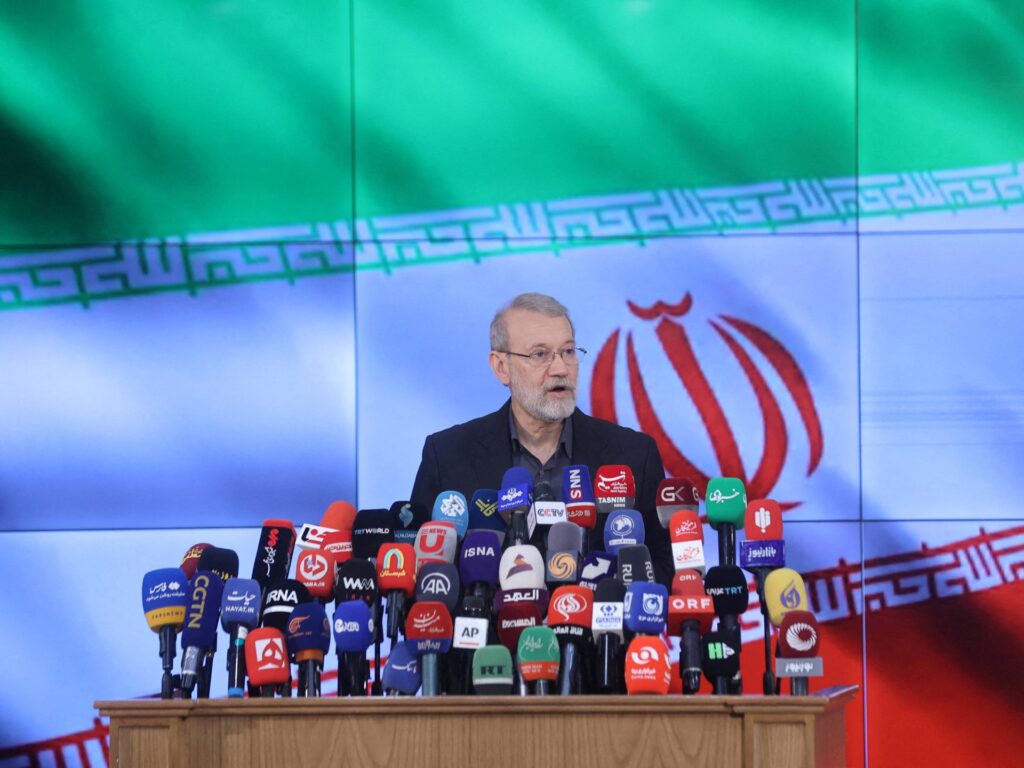
In a significant development amidst ongoing regional tensions, Israel’s Defence Minister Israel Katz has announced that Ali Larijani, Iran’s security chief, has been killed in an Israeli strike. This statement marks a crucial escalation in the already volatile relationship between Israel and Iran, with potential wide-reaching implications for Middle Eastern geopolitics.
Ali Larijani was a prominent figure within Iran’s security apparatus, known for his extensive influence over the country’s strategic and military operations. His leadership role in Iran’s security mechanisms made him a key figure in Tehran’s regional policies, particularly concerning its stance towards Israel and involvement in various regional conflicts.
The Israeli strike targeting Larijani signifies a deliberate and calculated move by Israel, reflecting the high stakes involved in the covert and overt conflicts between the two nations. Israel has long accused Iran of sponsoring militant groups and developing nuclear capabilities that threaten regional stability and its own national security.
Defence Minister Israel Katz’s confirmation of Larijani’s death underscores Israel’s resolve to counter what it perceives as existential threats from Iran. This announcement comes at a time of heightened tensions, with both countries engaged in a shadow war involving cyber attacks, intelligence operations, and proxy conflicts across the region.
The killing of such a high-profile Iranian security official is likely to provoke a strong response from Tehran. Iran has historically responded to targeted assassinations and strikes by mobilizing its regional allies and increasing pressure on Israel and its interests in neighboring countries.
International observers are closely monitoring the situation, as this incident could escalate into broader military confrontations or spark retaliation through asymmetric warfare tactics commonly used by Iran and its allied militias.
The United Nations and major world powers have urged both parties to exercise restraint and seek diplomatic avenues to de-escalate the situation. However, the complexity of the Iran-Israel rivalry, fueled by ideological, strategic, and geopolitical factors, makes peaceful resolution challenging.
Experts suggest that this development may lead to increased security alerts in the region, with neighboring countries potentially becoming theatres of conflict or diplomatic friction.
The Israeli government’s announcement also serves as a message to Iran and other regional actors that Israel remains committed to safeguarding its national security interests, even through preemptive and high-risk operations.
Further details about the circumstances of the strike, including its timing, location, and the method used, have not been fully disclosed by Israeli officials. This secrecy aligns with past Israeli military operations targeting high-value individuals outside its borders.
The death of Ali Larijani is a rare and impactful event, given his stature and role within Iran’s security establishment. It highlights the ongoing clandestine violence that shapes the security landscape of the Middle East.
As the situation develops, both regional powers and the international community will be watching closely for signs of retaliation or escalation, as well as diplomatic efforts aimed at stabilizing the region.
This incident adds a new chapter to the long-standing conflict between Iran and Israel, which has been marked by cycles of confrontation and uneasy ceasefires over the past decades.
The ramifications of Larijani’s killing may influence not only Iran-Israel relations but also have broader impacts on Middle Eastern alliances and global security dynamics.