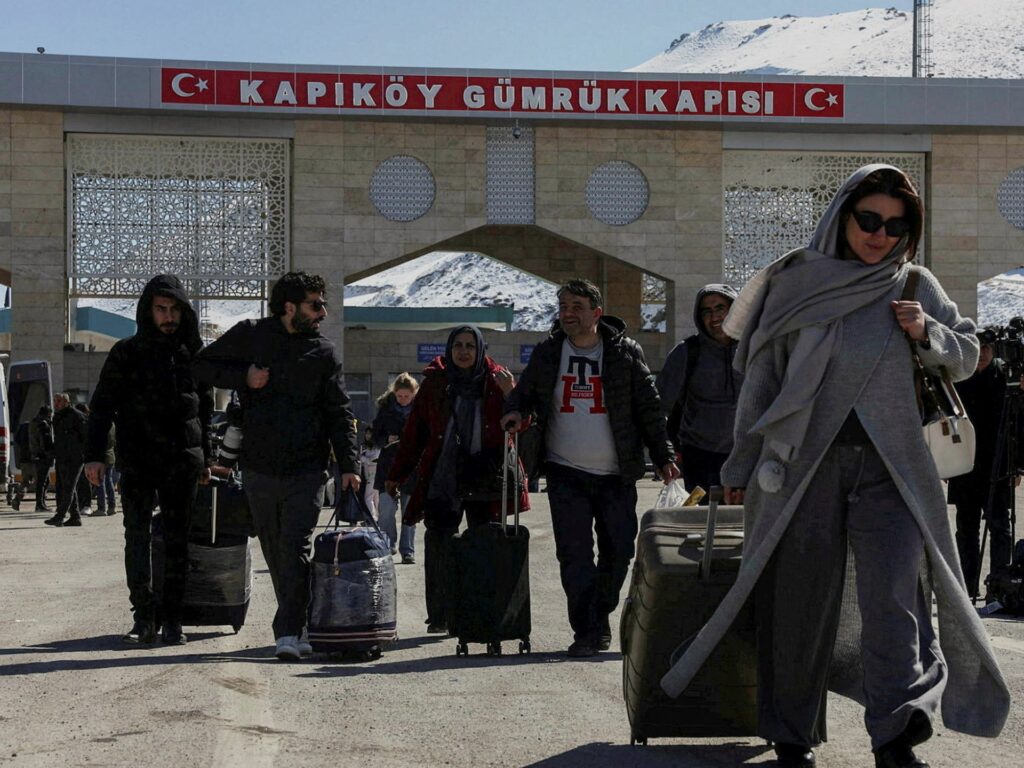
As conflict intensifies in Iran, neighboring countries are quietly preparing for a potential refugee crisis that could further destabilize an already volatile region. The ongoing war has raised serious concerns about mass displacement, with millions potentially fleeing their homes to seek safety across tightly controlled borders.
Iran shares borders with several nations, including Iraq, Turkey, Afghanistan, Pakistan, Armenia, and Azerbaijan, all of which face the risk of an influx of people escaping violence and turmoil. These countries already grapple with their own internal challenges and fragile political and economic environments, amplifying the fears of a humanitarian emergency.
Local governments are reportedly strengthening border security and ramping up humanitarian preparedness, coordinating with international organizations to manage what could be a large-scale refugee movement. Refugee camps and aid distribution points are being readied in border areas to accommodate the growing number of displaced persons.
Human rights groups and international agencies warn that without swift action, the crisis could spiral out of control, exacerbating regional tensions and creating severe humanitarian consequences. Humanitarian access remains a critical concern, as conflict zones restrict aid delivery, potentially leaving thousands vulnerable to the harsh conditions of displacement.
The United Nations and other global bodies have called for ceasefire talks and urgent diplomatic efforts to prevent further escalation. Neighboring countries, while preparing for worst-case scenarios, hope that a peaceful resolution will alleviate the humanitarian fallout.
The potential refugee outflow also poses complex political and security challenges. Host nations must balance humanitarian aid with maintaining border security, preventing possible infiltration by armed groups, and managing the socio-economic impact on local populations.
Experts highlight that regional cooperation and international support are crucial in addressing the looming refugee crisis. Coordinated efforts can ensure adequate shelter, food, medical care, and protection for displaced communities, mitigating the long-term destabilizing effects on both host countries and refugees.
In conclusion, as the war rages on in Iran, its neighbors stand at a precarious crossroads. Preparing for an imminent refugee influx, these countries underscore the urgent need for pragmatic solutions and international solidarity to prevent a devastating humanitarian catastrophe that could reshape the geopolitical landscape of the region.