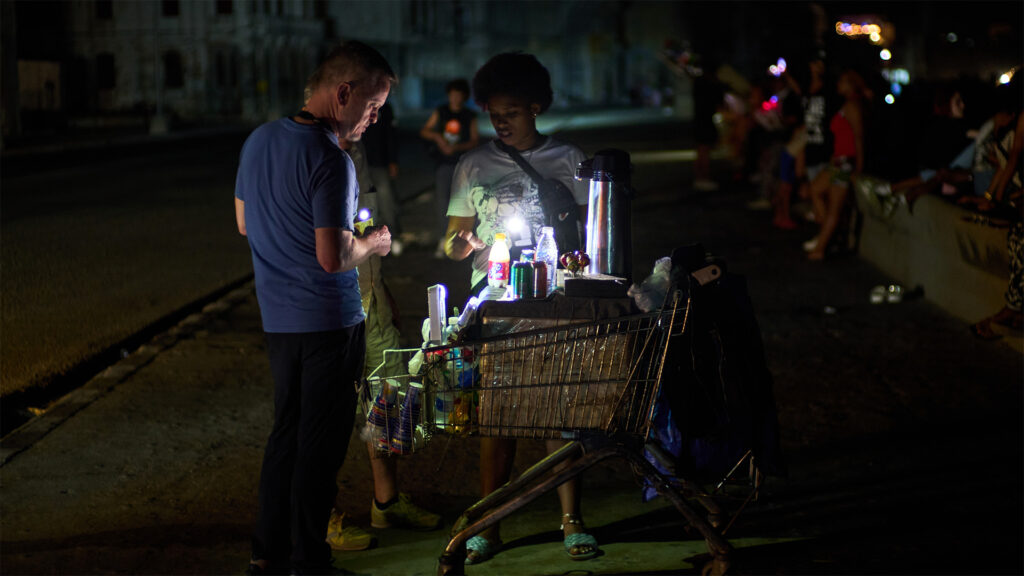
Cuba is currently experiencing a nationwide power crisis as its national power grid has collapsed, leading to widespread blackouts across the country. This severe energy shortage is primarily attributed to an ongoing oil blockade imposed by the United States, which has significantly restricted Cuba’s access to vital fuel supplies.
The US oil blockade, part of broader economic sanctions, has severely impacted Cuba’s ability to import oil, a critical resource for generating electricity. The shortage of oil has crippled the functioning of power plants and other essential energy infrastructure, forcing authorities to implement widespread power outages to manage the limited electricity supply.
Residents across Cuba have been facing prolonged periods without electricity, affecting daily life, businesses, healthcare facilities, and public services. The blackouts have disrupted everything from refrigeration of food and medicines to critical hospital operations, compounding the difficulties faced by the island nation.
The Cuban government has called on international solidarity and assistance to help mitigate the energy crisis, highlighting the humanitarian impact of the sanctions. Officials emphasize that the blockade undermines the country’s economic stability and resilience, exacerbating hardships for ordinary Cubans.
Energy experts warn that unless the blockade is lifted or alternative fuel sources secured, the power grid’s stability will remain fragile, potentially leading to prolonged and recurrent outages. Cuba is seeking ways to diversify its energy sources and improve efficiency to reduce dependence on imported oil.
The situation has drawn international attention, with calls from various human rights and advocacy groups urging the United States to reconsider its policies. They argue that the blockade not only restricts energy but also affects food security, healthcare, and overall quality of life for the Cuban population.
As the crisis unfolds, it underscores the profound impact that geopolitical tensions and economic sanctions can have on essential public utilities, highlighting the urgent need for diplomatic solutions to alleviate the humanitarian consequences for Cuba.