In a recent development concerning the strategic Strait of Hormuz, European leaders have firmly rejected calls for military involvement to secure this critical waterway. The pushback comes in response to statements made by US President Donald Trump, who urged NATO allies to contribute forces to protect the Strait amid escalating tensions and soaring global oil prices.
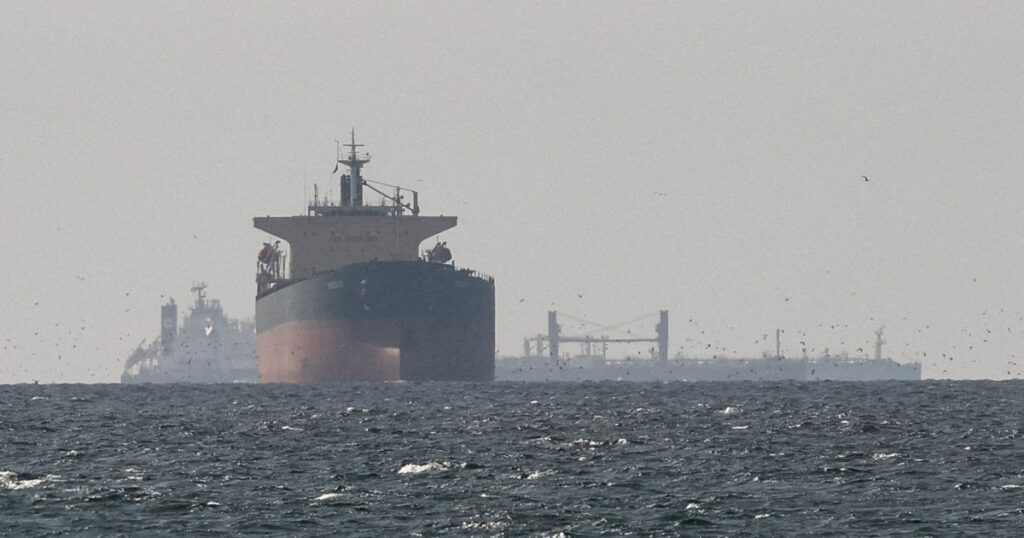
The Strait of Hormuz, a narrow chokepoint between the Persian Gulf and the Gulf of Oman, is one of the world’s most vital maritime routes for oil transportation, with a significant percentage of the world’s petroleum passing through it daily. Recent geopolitical tensions in the region have raised concerns about the security of oil shipments, leading to fluctuations in global energy markets.
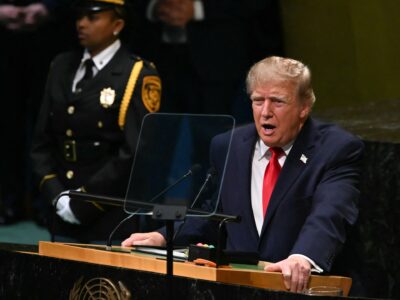
President Trump’s call to NATO allies was framed around the need to ensure uninterrupted access through the strait, citing threats from regional actors that could disrupt the flow of oil and destabilize global markets. He emphasized that collective security measures should be taken to safeguard this key channel.
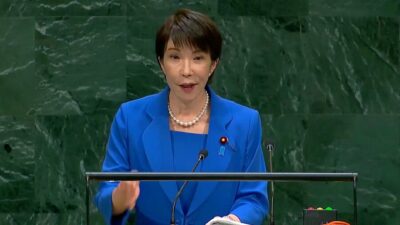
However, European leaders expressed reluctance to engage militarily in the region. Several officials from key NATO member countries conveyed that while they acknowledged the importance of maritime security and the need for diplomatic efforts, direct military involvement in the Strait of Hormuz could escalate tensions further, potentially triggering broader conflicts.
The pushback highlights a division within NATO regarding the best approach to addressing security challenges in the Persian Gulf. European officials favored increased diplomatic dialogue and economic measures rather than military intervention. They argued that military action could exacerbate regional instability and urged a more measured, multilateral strategy involving all stakeholders.
Analysts note that Europe’s hesitance is shaped not only by concerns over potential military entanglement but also by varying geopolitical interests and dependencies on energy imports. Many European countries rely on Middle Eastern oil, yet they also seek to maintain balanced relations with regional powers.
This divergence in strategy between the US and European NATO members underscores broader challenges in alliance cohesion, especially in regions far from European borders. While the US maintains a more assertive stance on projecting military power, European countries often prioritize diplomatic solutions and caution in engaging in conflicts outside their immediate vicinity.
The international community continues to watch the situation closely as tensions in the Persian Gulf persist. The rejection of military involvement by European leaders signals that any coordinated NATO action in the Strait of Hormuz will require extensive negotiation and compromise among member states.
In the interim, global oil markets remain sensitive to developments in the region. The volatility has led to increased prices and concerns over supply disruptions, impacting economies worldwide. Stakeholders call for sustained diplomatic engagement to prevent escalation and seek long-term stability in the region.
Overall, the divergence in NATO members’ responses reflects complex geopolitical realities and differing approaches to security and diplomacy in one of the world’s most critical maritime corridors.