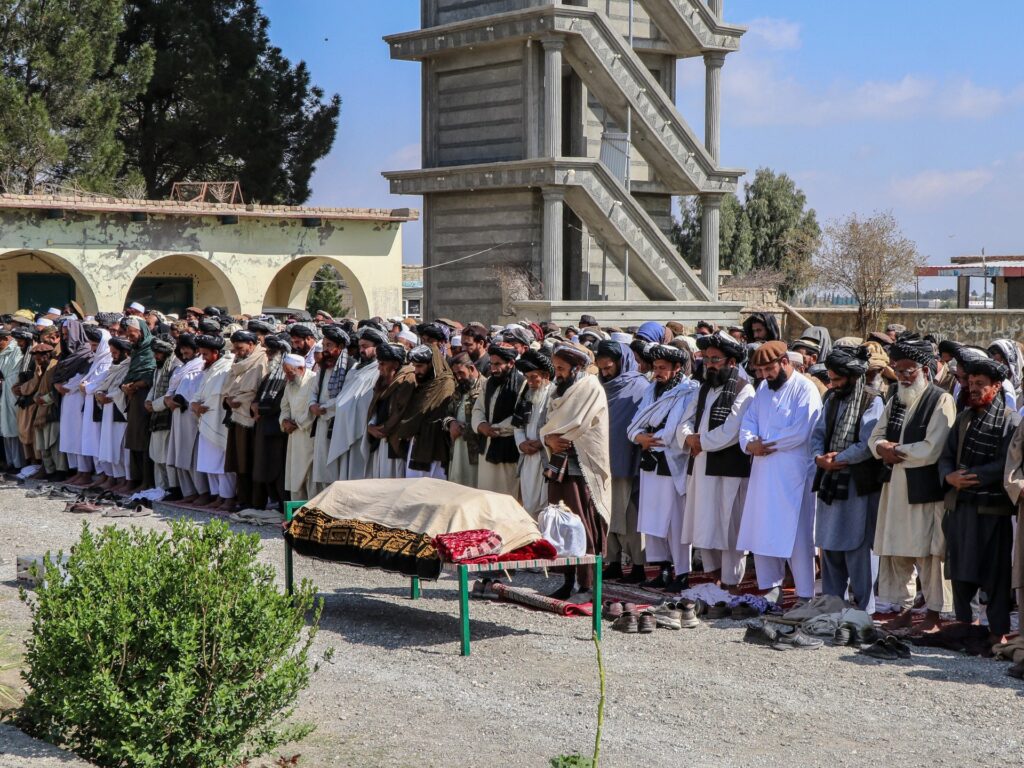
In a tragic development, Afghanistan has reported that four civilians, including three children and a woman, were killed in the latest attack believed to have been carried out by Pakistan. The incident took place in the Khost province, a region that has frequently experienced cross-border tensions and violence.
Local officials confirmed the casualties, emphasizing the heavy toll on innocent civilians caught in the conflict. The attack has sparked outrage and sorrow among the local population and authorities alike.
The victims were reportedly in a non-combatant setting at the time of the assault, which has raised concerns about the safety of civilians living near contested border areas. The presence of children among those killed highlights the severe impact of ongoing hostilities on vulnerable populations.
Khost province, which borders Pakistan, has often been a flashpoint for cross-border attacks and military operations. This latest incident comes amid increasing tensions between Afghanistan and Pakistan, with both sides accusing each other of violating territorial sovereignty.
Afghan officials have called for international attention to the issue, urging for measures to protect civilian lives and prevent further escalation in the region. Human rights groups have also condemned the attack, calling for thorough investigations and accountability for those responsible.
The continuous violence has impeded peace efforts and complicated relations between the neighboring countries. Communities in border provinces like Khost live under the constant threat of such attacks, which disrupt daily life and cause profound humanitarian concerns.
In response to this attack, Afghan authorities are likely to seek diplomatic engagement and possibly international mediation to address border security and prevent further civilian casualties.
This incident underlines the urgent need for dialogue and conflict resolution mechanisms to safeguard civilians and foster long-term peace in the region. The loss of young lives in Khost province serves as a grim reminder of the human cost of sustained conflicts and the critical importance of protecting non-combatants in war zones.