The ongoing conflict involving Iran has unfolded a complex geopolitical dynamic, particularly benefiting Russia in significant ways. Recently, the United States has allowed the purchase of Russian oil stranded at sea, a policy shift that emerged in the wake of increased energy prices caused by the conflict involving Iran. This development has inadvertently provided Russia with strategic economic advantages.
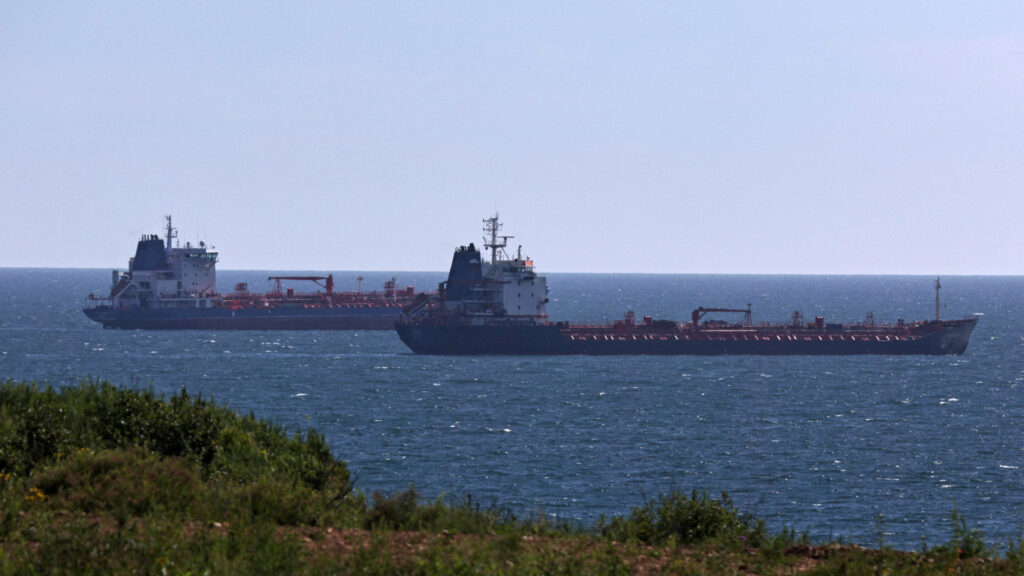
Amid the Iran war, global energy markets have been destabilized, leading to a surge in oil prices. Russia, as one of the world’s top oil producers, is profiting from this price increase. The sanctions and logistical challenges have caused some Russian oil shipments to be stranded at sea, unable to dock and sell in traditional markets. With the US permitting the purchase of this stranded Russian oil, demand for Russian crude has been sustained, circumventing some of the economic pressures intended by sanctions.
This arrangement helps Russia mitigate the effects of sanctions related to its own geopolitical actions and provides a financial inflow at a time when global energy supplies are tense and prices remain elevated. Moreover, the inflated energy prices have strengthened Russia’s leverage in international energy markets, giving it increased influence over European and Asian buyers who rely on energy imports.
Beyond the economic impact, Russia’s position in the Iran conflict indirectly benefits from the US focus on Iran, which diverts some international attention away from Russia’s activities in other regions. This geopolitical distraction allows Russia to consolidate its strategic foothold and manage its foreign policy objectives with relatively less global scrutiny.
The US decision to allow purchases of stranded Russian oil reflects the complex balancing act in international diplomacy and economic strategy amidst the Iran war. While aiming to stabilize their domestic markets and energy supplies, US policymakers must also consider the unintended bolstering of Russia’s economic position and influence. This situation underscores the intricate interplay between military conflicts, energy economics, and international sanctions.
In summary, the Iran war, though primarily a conflict involving Middle Eastern geopolitics, has indirectly favored Russia due to higher energy prices and the US easing restrictions on the purchase of Russian oil. This has allowed Russia to sustain its oil revenues despite sanctions and leverage its position in the global energy market amid ongoing instability.