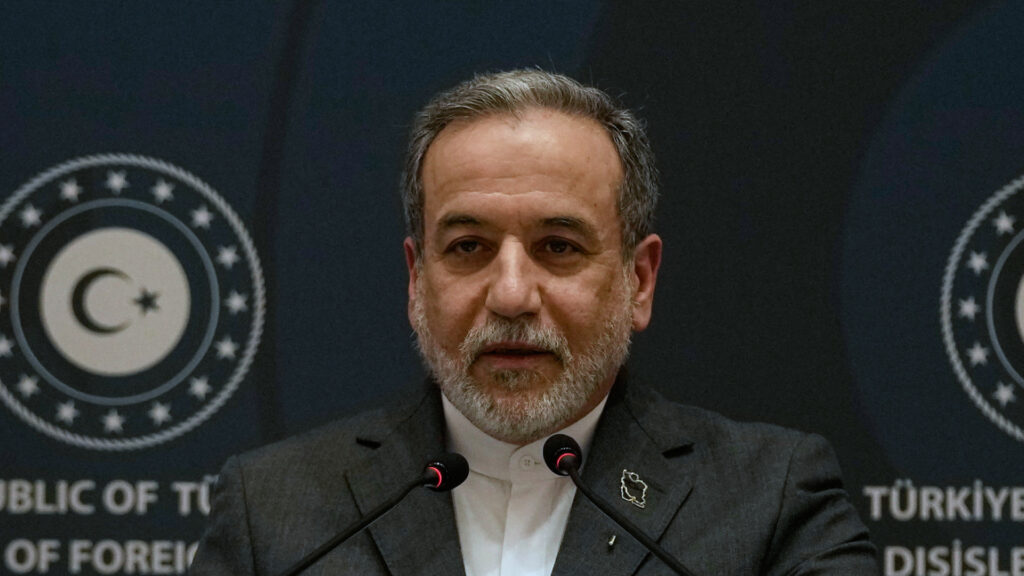
In a recent and striking statement, Iran’s Foreign Minister Abbas Araghchi declared that his country has demonstrated its readiness to escalate the ongoing conflict “as far as necessary,” signaling a firm and unwavering stance amidst heightened tensions in the region. This declaration comes at a time of growing friction between Iran and Western allies, particularly the United States and Israel, both of whom are deeply involved in geopolitical maneuvers concerning Iran’s nuclear program and regional influence.
Araghchi’s remarks underscore Iran’s perception that the US and Israel now fully comprehend “what kind of nation they are dealing with.” This potent message implies that Tehran sees itself as a formidable player, capable of defending its interests and escalating its involvement in any conflict if required. The minister’s words reflect Tehran’s commitment not only to protect its sovereignty but also to assert its position in an increasingly volatile Middle East environment.
The backdrop to these statements includes years of diplomatic strain, sanctions, and proxy confrontations. Iran, faced with persistent economic pressures from sanctions led by the US and an array of strategic challenges from Israel, has increasingly adopted a posture emphasizing resilience and readiness to respond robustly to any aggression.
The willingness to take the conflict “as far as necessary” can be interpreted as a direct message to the US and Israel that Iran is prepared to intensify military and strategic actions in defense of its interests. This stance signals potential escalations in proxy conflicts across the region, increased rhetoric, and possibly direct confrontations, which could destabilize an already fragile security situation.
For Washington and Jerusalem, these pronouncements are a sobering reminder of the complexities involved in deterring Iran. Both countries have historically sought to limit Tehran’s influence through diplomatic isolation, economic sanctions, and covert operations, but Araghchi’s warning suggests that Iran has calculated its responses and is not willing to back down easily.
Analysts suggest that Iran’s message serves multiple purposes. It not only fortifies domestic resolve and nationalism but also seeks to deter outside intervention by signaling the high costs of confrontation. This communication aims to make adversaries think twice before escalating tensions further, presenting Iran as a nation prepared for prolonged resistance.
Furthermore, the statement may also influence international negotiations regarding Iran’s nuclear program and regional activities. By projecting an image of unyielding determination, Iran may be attempting to extract more favorable terms or concessions from global powers engaged in talks.
In summary, Foreign Minister Abbas Araghchi’s declaration marks a critical moment in the geopolitics surrounding Iran, the US, and Israel. It reveals a deepening refusal by Tehran to be pressured into submission, emphasizing a readiness to escalate conflict if necessary. This development contributes to an already tense atmosphere in the Middle East, where the stakes remain high, and the potential for miscalculation could have far-reaching consequences.