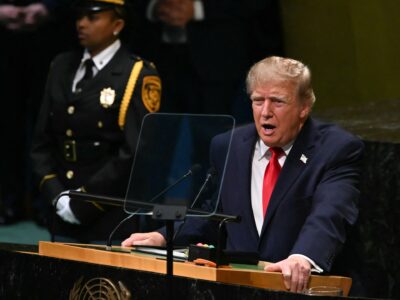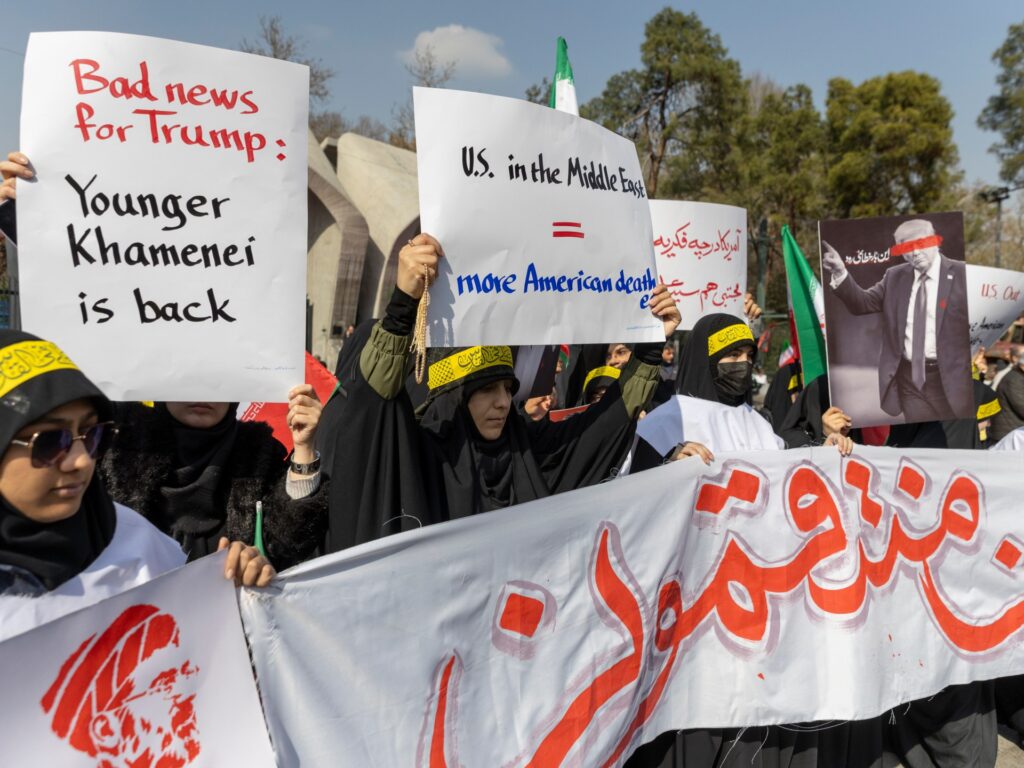
In a striking display of political defiance, Iranian officials have called for a unique form of protest during the traditional fire festival now being associated with anti-Western sentiment. State media outlets in Iran are urging citizens to incorporate the burning of effigies of former U.S. President Donald Trump and Israeli Prime Minister Benjamin Netanyahu into the festivities. This move represents a symbolic act aimed at expressing opposition to these figures, who are seen by many in Iran as emblematic of foreign interference and aggression.
The fire festival, traditionally a cultural celebration marked by lighting fires to signify triumph and renewal, is being repurposed in the current political climate to convey a clear message of resistance. Iranian authorities are framing this year’s event as more than just a cultural rite; it is a platform for political commentary amid ongoing tensions between Iran, the United States, and Israel.
This call to action has sparked considerable discussion within Iran and internationally. Supporters argue that the symbolic burning of Trump’s and Netanyahu’s images is a peaceful way to voice discontent with their policies, which have had significant impacts on the Middle East, particularly regarding Iran’s foreign relations. Critics, however, warn that such demonstrations can exacerbate already volatile regional relations and deepen divides.
The background to this development includes years of strained relations following the U.S.’s withdrawal from the Iran nuclear deal under Trump’s administration and continuous issues over sanctions and military presence in the region. Netanyahu, a vocal opponent of the deal and a staunch ally of the U.S., is also viewed unfavorably within Iran.
By integrating the burning of these leaders’ figures into a cultural event, Iranian state media are seeking to galvanize public sentiment and unify the populace against perceived external threats. This act serves both as a protest and a reaffirmation of national pride, leveraging traditional symbolism to address contemporary political issues.
Observers note that such state-sponsored spectacles are designed not only to rally internal support but also to send a message internationally about Iran’s stance towards its adversaries. The festival’s timing and symbolic acts are carefully orchestrated to maximize political impact while maintaining the cultural integrity of the event.
As the situation develops, attention will remain on how this festival’s politicized incarnation influences public opinion within Iran and perceptions abroad. Whether this approach fosters dialogue or deepens division remains to be seen, but the ‘Trump-burning’ festival undeniably highlights the complex interplay between culture and politics in contentious geopolitical contexts.