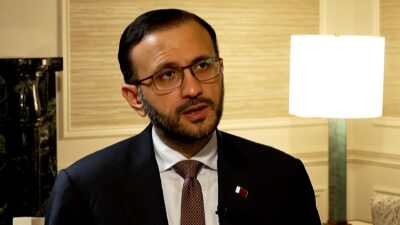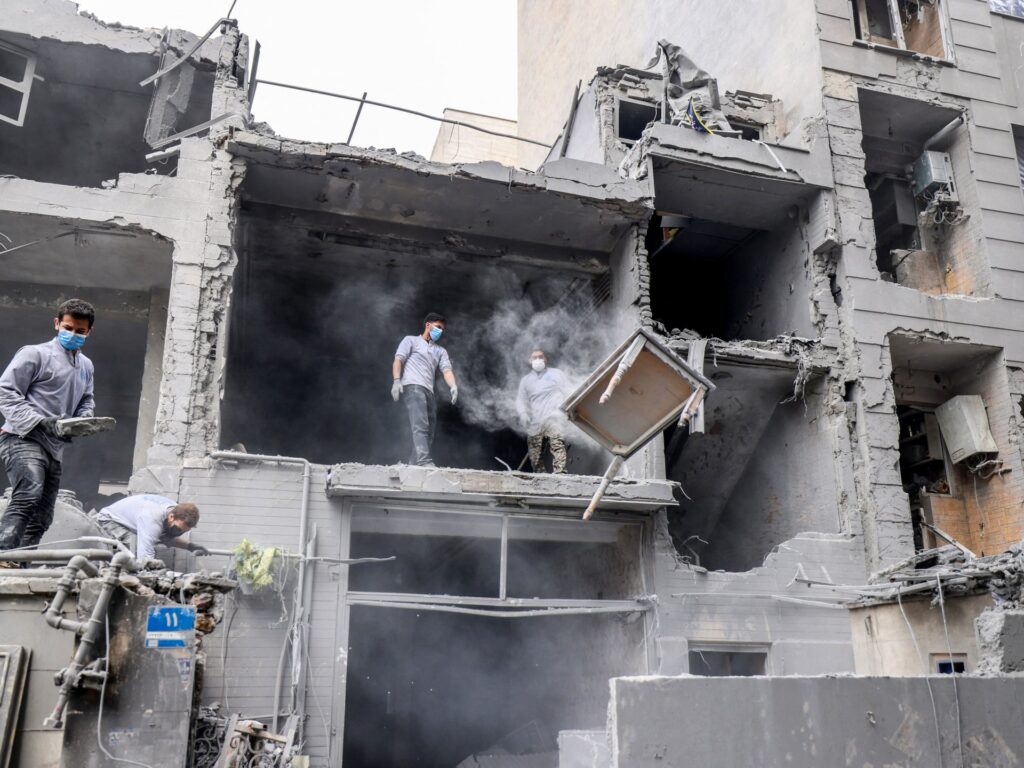
The ongoing conflict involving Iran has escalated, with significant developments reported on multiple fronts. In a recent statement, Iran’s Foreign Minister Abbas Araghchi conveyed Tehran’s firm stance, emphasizing that the country has never sought a ceasefire with the United States and is prepared for a prolonged conflict. This marks a critical moment in the escalating tensions between Iran and international stakeholders.
Against this backdrop, former U.S. President Donald Trump has publicly demanded support from NATO allies, seeking to bolster coalition efforts in response to the volatile situation in the Middle East. His call to action underscores growing concerns about the wider implications of the conflict on regional and global security.
Meanwhile, in the Gulf region, emergency services have successfully contained a significant fire in Dubai, which had sparked fears of potential escalation in the midst of the current geopolitical turmoil. Authorities confirmed that the situation is now under control, preventing further damage or casualties.
Iran’s defiant position, as articulated by Foreign Minister Araghchi, highlights the country’s readiness to endure a long-term confrontation, rejecting pressures for immediate peace talks or ceasefire agreements. This hardline approach complicates diplomatic efforts aimed at de-escalation and raises questions about the future trajectory of the conflict.
The conflict’s impact extends beyond battlefield dynamics, influencing economic and strategic calculations worldwide. Energy markets, particularly oil prices, have been volatile due to Iran’s pivotal role in global energy supplies. The instability risks disrupting shipping lanes and exacerbating the humanitarian situation in the region.
Trump’s appeal to NATO underscores the urgent need for collective security responses and international cooperation. Analysts suggest that NATO’s involvement could lead to increased military presence and strategic recalibrations aimed at containing the conflict and preventing further regional destabilization.
The containment of the Dubai fire represents a rare piece of positive news amid challenging circumstances. It demonstrates effective emergency management in a region often vulnerable to crises, reinforcing the resilience of urban centers in the Gulf.
The situation remains fluid, with multiple actors engaged in a complex interplay of diplomacy, military strategy, and economic interests. Observers caution that any miscalculation could escalate tensions, drawing in broader international involvement and complicating prospects for peace.
As the situation develops, stakeholders emphasize the importance of dialogue, regional cooperation, and maintaining open channels to reduce the risk of a full-scale war. The international community watches closely, hopeful for de-escalation despite Iran’s stated position of readiness for prolonged conflict.
This ongoing saga reflects the complexities of modern geopolitics, where historic grievances, strategic interests, and power dynamics converge, shaping the course of regional and global security. The developments in Iran, coupled with international reactions, continue to be a focal point of global attention, highlighting the urgent need for diplomatic solutions.