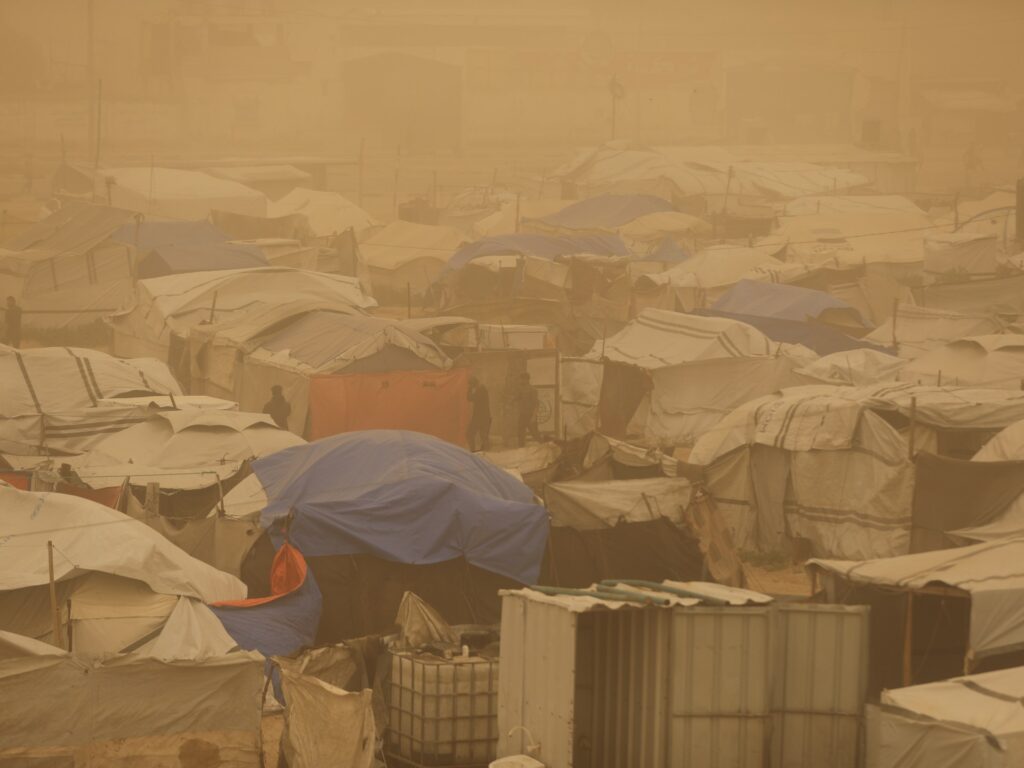
In a devastating escalation of violence, Israeli attacks have resulted in the deaths of 13 individuals in Gaza, among them two children and a pregnant woman. This recent wave of airstrikes has intensified the humanitarian crisis that the region is currently facing, leading to widespread destruction and deepening the plight of civilians caught in the conflict.
The deadly strikes have not only caused loss of life but have also severely impacted infrastructure, including medical facilities and housing, leaving many vulnerable and displaced. The targeting of civilians, including children and expectant mothers, underscores the grave consequences of the ongoing conflict and the urgent need for protective measures.
Simultaneously, the humanitarian situation is further complicated by the large number of patients requiring urgent medical evacuation. More than 20,000 patients are currently awaiting transfers, as medical facilities in Gaza struggle to cope with the overwhelming demand and limited resources amidst the conflict.
In response to this dire situation, the Rafah crossing—the crucial border point for movement between Gaza and Egypt—is scheduled to partially reopen on Wednesday. This partial reopening offers a critical opportunity for the evacuation of some of the sick and wounded, as well as the delivery of much-needed humanitarian aid.
The reopening of the Rafah border crossing is being closely monitored by international organizations and aid agencies, who hope it will alleviate some of the immense pressure on Gaza’s healthcare system and provide relief to those trapped in the conflict zone.
Human rights groups and international observers continue to call for an immediate cessation of hostilities and a renewed commitment to protecting civilians in accordance with international law. The loss of innocent lives, especially among children and pregnant women, highlights the urgent need for a peaceful resolution and increased humanitarian support.
As the situation remains fluid and tense, the global community watches with concern, urging dialogue and diplomatic efforts to prevent further casualties and ensure the safe passage of those in need of urgent medical care.
The partial reopening of the Rafah crossing represents a small yet significant step towards mitigating the humanitarian disaster unfolding in Gaza. Authorities are urged to facilitate safe and efficient evacuations, ensuring that aid reaches those who need it most.
The international community’s focus now centers on safeguarding innocent lives, providing medical treatment, and working towards a sustainable ceasefire to halt the ongoing suffering in Gaza. The coming days will be critical in determining whether momentum towards peace and relief can be achieved amid escalating tensions.
This tragic episode serves as a stark reminder of the human cost of conflict and the vital importance of concerted, compassionate action in the face of humanitarian emergencies.