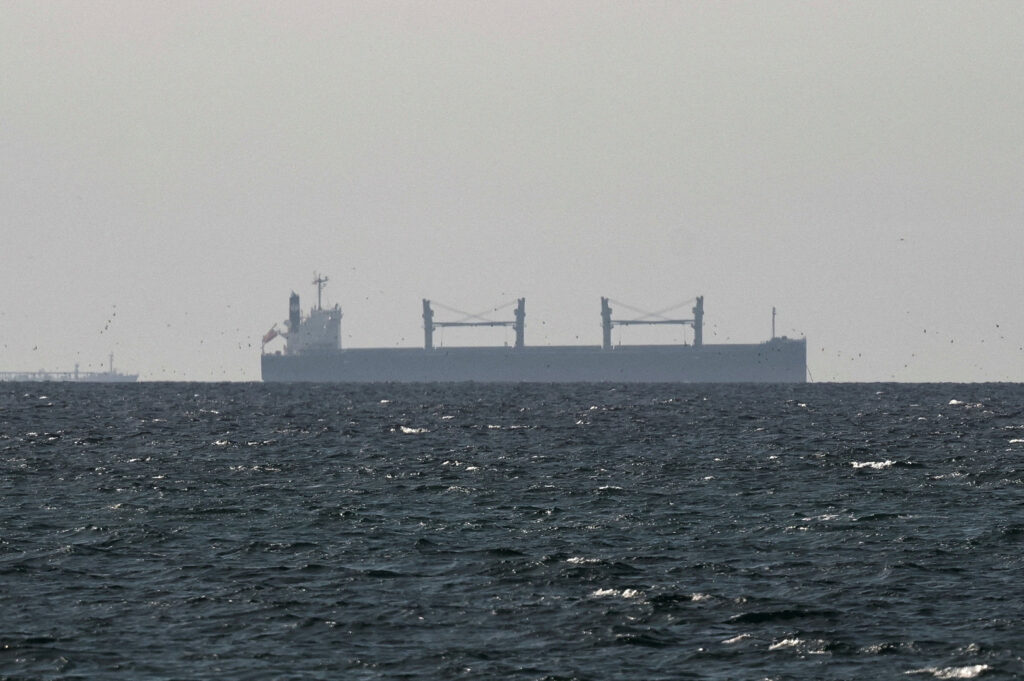
FILE PHOTO: A tanker sails in the Gulf, near the Strait of Hormuz, as seen from northern Ras al-Khaimah, near the border with Oman’s Musandam governance, amid the U.S.-Israeli conflict with Iran, in United Arab Emirates, March 11, 2026. REUTERS/Stringer/File Photo
Force majeure is a contractual clause that frees parties from liability or obligation when extraordinary events or circumstances beyond their control occur, preventing them from fulfilling their contractual duties. This can include natural disasters, wars, strikes, or unexpected government actions. The purpose of invoking force majeure is to protect businesses and entities from penalties or legal consequences when uncontrollable events disrupt normal operations.
Recently, several Gulf countries, which are major players in the global energy market, have declared force majeure on oil and gas shipments. This move has drawn significant attention due to the critical role these nations play in global energy supply and the potential implications for international markets.
The main reason behind these declarations is disruptions to shipping routes and logistics. Factors such as regional tensions, geopolitical conflicts, blockades, or even natural events impacting sea routes have contributed to challenges in transporting oil and gas shipments smoothly. These disruptions have made it difficult or impossible for Gulf producers to meet their contractual delivery commitments on time.
By invoking force majeure, Gulf energy producers are signaling that they cannot be held liable for delays or failure to deliver shipments under existing contracts. This legal protection is crucial for maintaining business stability and avoiding disputes or claims for damages during times of unforeseen disruptions.
The decision to declare force majeure reflects broader regional and global issues such as rising geopolitical tensions in the Middle East, fluctuations in supply chain reliability, and the vulnerability of maritime trade routes. Given the Gulf’s prominence as a supplier of oil and gas, any interruptions have wide-reaching effects, influencing prices and supply chains globally.
In summary, force majeure is a vital legal mechanism used by Gulf countries amidst current shipping disruptions to safeguard their energy exports and navigate complex geopolitical and logistical challenges. This has implications not only for the Gulf region but also for international energy markets and global trade stability.