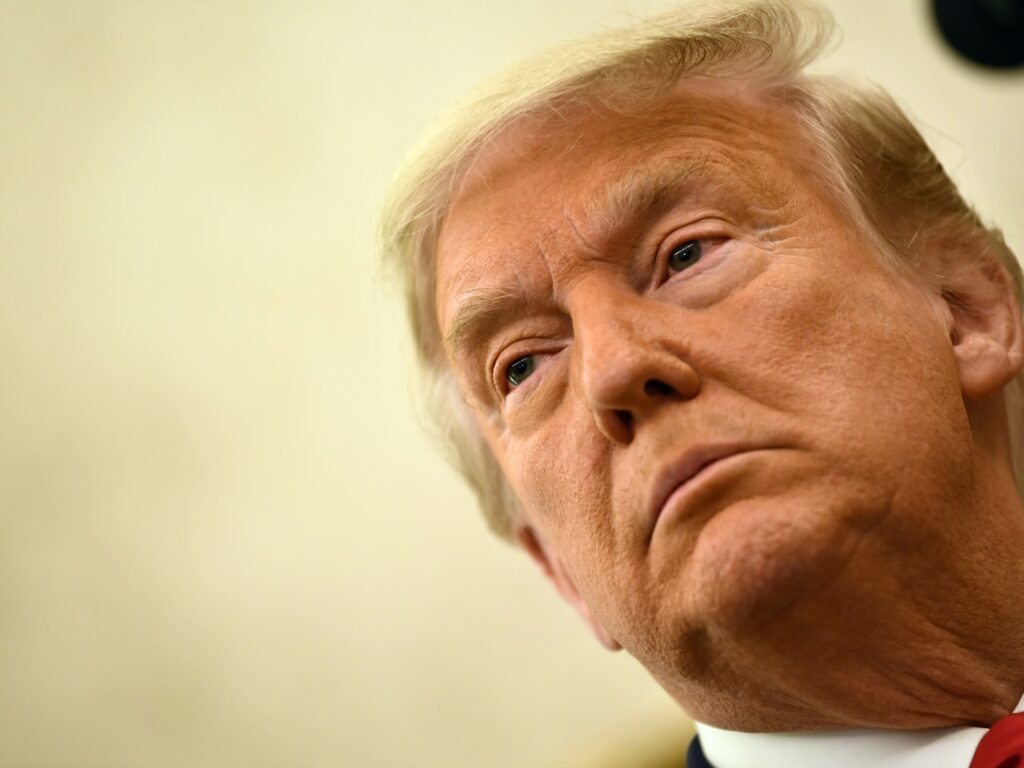
Since his emergence on the American political scene, Donald Trump has fundamentally altered the landscape of global politics through the exercise of what many perceive to be unchecked presidential power. His tenure demonstrated a stark departure from traditional diplomatic norms, laws, and institutional boundaries, raising profound questions about the limits of executive authority and the resilience of international systems.
President Trump’s approach to governance and diplomacy was marked by an assertive style that often flouted established conventions. While past presidents generally adhered to a framework of diplomatic etiquette and multilateral cooperation, Trump frequently prioritized unilateral action and personal judgment over institutional processes. This shift disrupted long-standing protocols that had shaped international relations for decades.
One significant area of impact was in the realm of diplomatic norms. Trump’s administration openly challenged norms such as mutual respect between nations, reliability in commitments, and adherence to shared rules — including agreements like the Paris Climate Accord and the Iran nuclear deal. By withdrawing from or renegotiating these critical agreements, Trump reshaped global alliances and economic partnerships, signaling a tectonic shift away from collective agreements toward nationalist policies.
On the legal front, Trump’s actions tested the boundaries of executive power within the United States and abroad. Despite contestation from courts, Congress, and international bodies, the Trump administration often pressed forward with policies and directives that appeared to skirt or outright challenge legal constraints. Examples include controversial immigration measures, tariffs imposed without prior consultation, and military actions ordered unilaterally.
International institutions, designed to maintain global order, struggled to contain or influence the Trump presidency. Traditional multilateral organizations like the United Nations, NATO, and the World Trade Organization found themselves at odds with the administration’s prioritization of American sovereignty and interests. This stance weakened the efficacy of collaborative efforts addressing global challenges such as climate change, trade disputes, and security threats.
Critically, Trump’s use of executive power revealed strengths and vulnerabilities within democratic and institutional frameworks. While his supporters viewed his actions as a necessary overhaul of a stagnant establishment, his critics warned of the dangers posed by eroding checks and balances that protect democratic governance. This tension underscored the vital importance of institutional integrity in upholding the rule of law.
Can the US president truly do anything he wants? The Trump era suggests that while the presidency wields significant power, it is bounded—at least in theory—by legal and institutional oversight. Yet, the effectiveness of these constraints depends heavily on the political context, public opinion, judicial independence, and international response. Trump’s tenure demonstrated that under certain conditions, a president’s will can override traditional safeguards, at least temporarily.
The global community continues to grapple with the ramifications. The erosion of predictable diplomatic norms and the challenge to institutional authority have prompted some countries to reconsider their reliance on U.S. leadership. Others have sought to strengthen regional alliances or international frameworks in response.
Looking ahead, the legacy of Trump’s unchecked power serves as a cautionary tale about the fragility of global order and democracy. It highlights the necessity for robust institutions, vigilant oversight, and a collective commitment to uphold norms and laws which guard against autocratic tendencies. The question now is whether these lessons will lead to reform and resilience, or if similar challenges will recur in future leadership.
As the world watches subsequent administrations, one clear truth has emerged: while a president may appear to wield near-limitless power, that power is not absolute. It exists within a system designed to impose accountability, even if those mechanisms are sometimes tested or strained. The balance of power, in the end, resides not just in executive authority but in the enduring strength of democratic institutions and international cooperation.