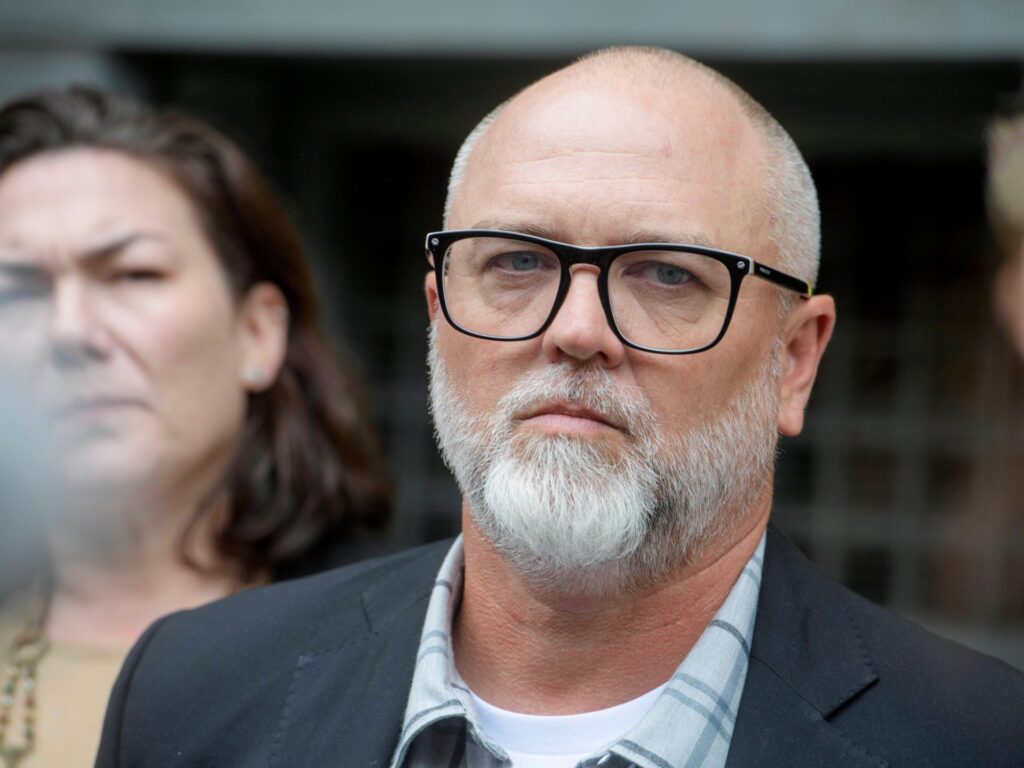
In a notable development, the Trump administration has decided to drop charges against Jay Carey, a US veteran who set fire to an American flag in protest. Carey burned the flag as an act of demonstration against an executive order issued by the Trump administration that called for prison terms for individuals who engaged in flag burning.
Jay Carey, a veteran, had taken this controversial step to express his dissent toward the executive order which aimed to criminalize and penalize actions involving the burning of the US flag. The initial charges represented a contentious issue, sparking debates on the limits of free speech and the symbolic significance of flag burning in American political expression.
The decision to drop the charges is seen by many as a reinforcement of constitutional rights, particularly the First Amendment, which protects freedom of speech and symbolic acts. Flag burning has long been a divisive subject in the United States, with opinions varying widely on its meaning and whether it should be considered a punishable offense.
Supporters of Jay Carey argue that his act was an exercise of free expression, meant to provoke discussion and highlight opposition to policies they view as authoritarian. Conversely, opponents assert that the flag is a sacred national symbol that deserves respect and that such acts undermine national unity and patriotism.
This incident has brought renewed focus to the debate surrounding executive orders and their limits, especially when they intersect with constitutionally protected rights. Legal experts emphasize that while the executive branch has significant authority, it cannot override fundamental rights guaranteed by the Constitution.
Jay Carey’s case illustrates how individual protest can challenge governmental policies and provoke society to reconsider the balance between security, order, and civil liberties. The administration’s reversal in this case may set a precedent for how similar cases are treated in the future.
The broader implications of this decision touch upon the role of government in regulating symbolic speech and the ongoing cultural dialogue about patriotism, dissent, and the meaning of national symbols in American democracy.
As the news spreads, the conversation around flag burning, protest rights, and executive power is expected to intensify, highlighting the complexities of governing a diverse nation with deeply held values and divergent perspectives.