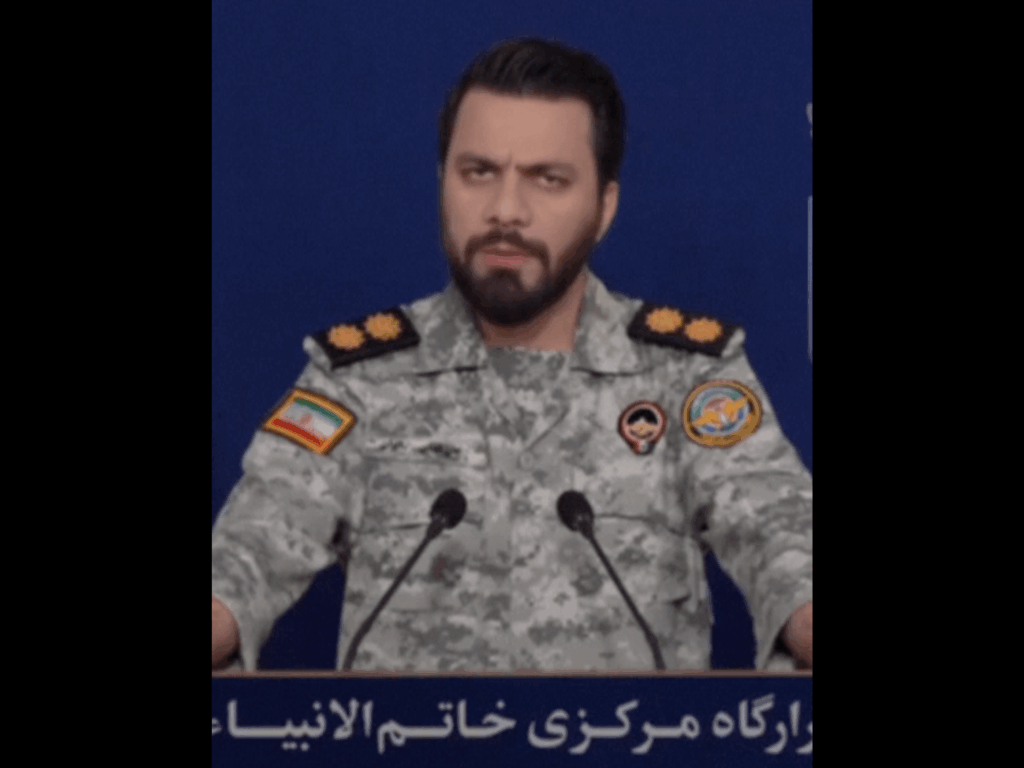
An Iranian military spokesperson recently issued a stern warning indicating that ports, docks, and so-called ‘American hideouts’ within the United Arab Emirates (UAE) could become targets in escalating tensions in the region. This statement underscores the growing geopolitical friction involving Iran and the UAE, particularly focusing on maritime and strategic assets.
The warning marks a significant development in the security dynamics of the Persian Gulf, a critical global shipping lane and a region fraught with geopolitical rivalries. The spokesperson’s remarks reflect Iran’s heightened alertness and readiness to respond to perceived threats, especially those linked to American military or intelligence presences in allied countries.
Historically, the UAE has maintained close ties with the United States, hosting American military assets and cooperating on intelligence and security matters. Iran’s reference to ‘American hideouts’ is interpreted as a direct challenge to these collaborations, suggesting that any hostile actions or conflicts involving Iran could extend to these allied facilities and infrastructures in the UAE.
The Iranian military’s explicit call-out of ports and docks signals a strategic focus on disrupting maritime operations. Ports in the UAE are pivotal nodes for global trade and energy supply chains, making them highly sensitive and valuable targets in any confrontation.
This development emerges amid ongoing tensions surrounding Iran’s nuclear program, regional influence, and the international efforts to manage or contain Tehran’s military and strategic ambitions. The warning is a reminder of the fragile security situation in the Gulf, where military miscalculations could have wide-reaching consequences.
Regional analysts express concern that such rhetoric may escalate into direct confrontations, impacting not only the UAE and Iran but also involving broader international stakeholders committed to maintaining stability and freedom of navigation in these waters.
Diplomatic channels between Iran and the Gulf Cooperation Council (GCC) countries, including the UAE, have been working to reduce tensions, but statements like these highlight the challenges ahead. The situation calls for cautious diplomatic engagement and an emphasis on de-escalation to avoid conflict.
It is also worth noting the role of the US in this context, as American support and military presence in the Gulf are crucial factors influencing Iran’s strategic calculus. The warning serves both as a deterrent and a message of capability, emphasizing Iran’s preparedness to defend its interests.
In conclusion, the Iranian military spokesperson’s warning about potential targets in UAE ports and American installations injects a new layer of complexity into an already volatile regional security environment. The international community must stay vigilant and proactive in addressing the underlying issues to prevent escalation and maintain peace and security in the Persian Gulf.