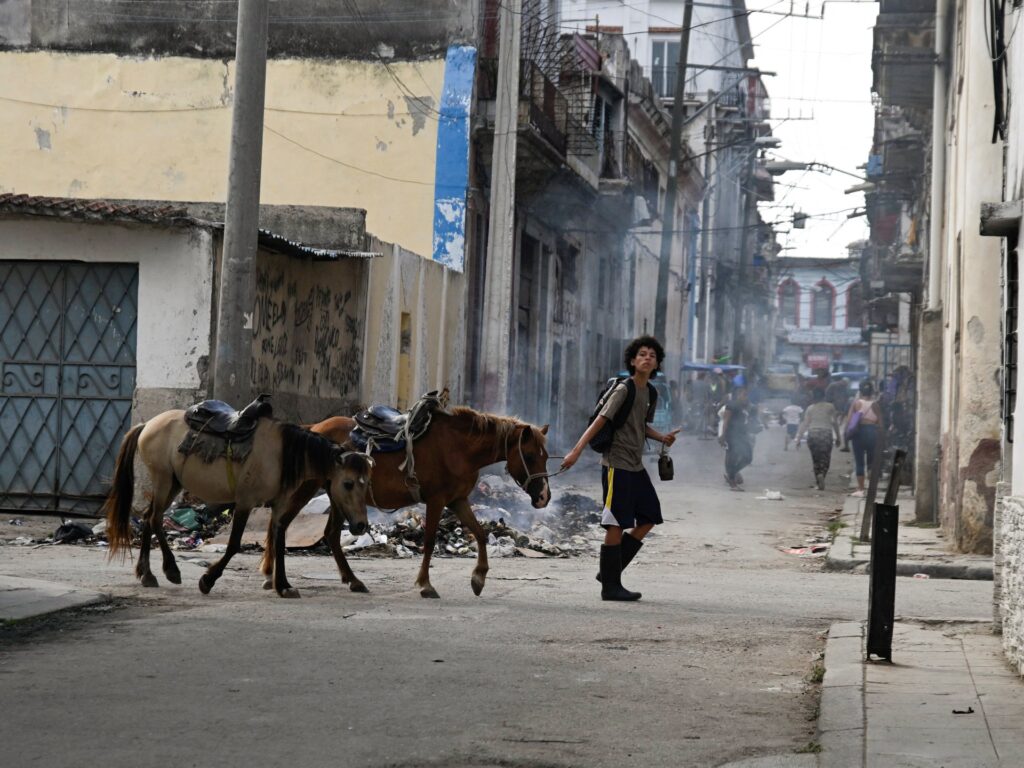
In recent days, Cuba has witnessed rare antigovernment protests sparked by severe food and energy shortages exacerbated by tightened US sanctions. The island nation, struggling under the weight of these restrictions, has seen rising public frustration lead to demonstrations in several cities. One notable incident involved a local communist party office being set on fire, highlighting the intensity of the unrest.
The US has imposed stringent sanctions on Cuba in an effort to curb the communist regime’s influence, targeting key sectors and restricting the country’s access to international markets. These sanctions have significantly impacted Cuba’s economy, leading to severe shortages of essential goods including food, fuel, and medicine.
Cuban authorities report that the ongoing shortages have fueled public discontent, with many citizens unable to meet basic needs. As a result, public demonstrations have erupted periodically, with some turning violent. The burning of the communist party office marks a rare and symbolic act of defiance against the government, which has maintained strict control over the island for decades.
The government has responded to the protests with a heavy security presence, deploying police forces to disperse demonstrators and restore order. Meanwhile, state media attributes the unrest to foreign interference and economic sabotage, framing the protests as attempts to destabilize the nation.
International observers have expressed concern over the situation, urging both the US and Cuban authorities to engage in dialogue aimed at alleviating the humanitarian crisis. Experts highlight that while the sanctions aim to pressure the Cuban government, they also affect ordinary citizens who bear the brunt of shortages.
Cuba’s leadership has acknowledged the difficulties but maintains that economic resilience and revolutionary spirit will overcome the challenges. The government is reportedly seeking alternatives to circumvent sanctions, including bolstering trade with allies.
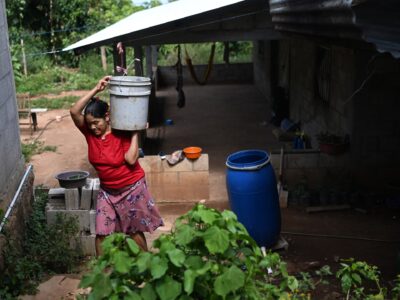
Meanwhile, the Cuban people continue to face long lines for food, limited electricity, and interruptions to daily life due to energy shortages. The protests reflect a rare public airing of grievances in a nation where dissent has long been suppressed.
As the situation develops, the international community watches closely, recognizing that the ongoing hardships in Cuba are a complex interplay of domestic policies and international pressures. The hope remains that a peaceful resolution can be found to restore stability and improve living conditions for the Cuban populace.